Open Nav


Aerospace, defense, and avionics applications demand the highest levels of reliability, quality, and performance from electronic assemblies. Unlike commercial electronics, where failure might cause inconvenience or financial loss, PCB failures in these critical applications can jeopardize missions, compromise national security, or endanger human lives. This is why turnkey Pcb Assembly for aerospace and defense requires unwavering commitment to Military Standards (MIL-STD) compliance, rigorous quality control, and specialized manufacturing capabilities that go far beyond typical commercial requirements.
Understanding MIL-STD compliance requirements and selecting the right Turnkey Assembly partner becomes crucial for program success. This comprehensive guide explores the essential aspects of MIL-STD compliant turnkey Pcb Assembly, helping you navigate the complex landscape of aerospace and defense Electronics Manufacturing while ensuring your assemblies meet the most demanding quality and reliability standards.
Military standards establish the baseline for quality, reliability, and performance in aerospace and defense electronics. These standards aren't bureaucratic requirements—they're distilled lessons learned from decades of success and failure in mission-critical applications. MIL-STD compliance ensures that PCB assemblies can withstand the extreme environments, rigorous operating conditions, and long service lives demanded by aerospace and defense applications.
Aerospace and defense electronics operate in environments that would destroy commercial electronics. Components and assemblies must withstand extreme temperature fluctuations (-55°C to +125°C or beyond), high vibration and shock, intense radiation exposure, humidity, salt spray, and rapid pressure changes. MIL-STD standards specify testing protocols and design requirements that ensure assemblies survive these conditions without performance degradation or failure.
When a PCB assembly fails in a commercial application, the consequences might range from product returns to warranty claims. In aerospace and defense, failures can result in mission abort, loss of expensive equipment, or even loss of life. MIL-STD standards mandate design margins, testing requirements, and quality controls that dramatically reduce failure probabilities to levels acceptable for life-critical and mission-critical applications.
Commercial electronics typically have design lifespans of 3-7 years. Aerospace and defense systems often require operational lifespans of 20-30 years or more, with limited opportunities for maintenance or replacement. MIL-STD standards address long-term reliability through component selection, derating requirements, and accelerated life testing that validates performance over extended operational periods.
Defense programs require complete traceability of every component, process step, and assembly operation. MIL-STD standards mandate documentation, traceability, and configuration control systems that enable reconstruction of the complete manufacturing history for every assembly. This traceability proves essential for failure analysis, fleet management, and compliance with defense procurement regulations.
Multiple MIL-STD standards govern different aspects of PCB assembly for aerospace and defense applications. Understanding these standards helps ensure comprehensive compliance:
This comprehensive standard establishes test methods for microelectronic devices used in military and aerospace applications. It covers environmental testing, mechanical testing, electrical testing, and failure analysis techniques. For PCB assembly, MIL-STD-883 testing validates that components and assemblies can withstand the environmental stresses encountered in aerospace and defense service. Key test methods include temperature cycling, mechanical shock, vibration, humidity, and accelerated life testing.
MIL-STD-202 defines standard test methods for electronic components, including those used in PCB assemblies. These tests verify component reliability under various environmental conditions and mechanical stresses. Compliance with MIL-STD-202 ensures that components selected for aerospace and defense PCB assemblies meet appropriate reliability standards before they're even assembled onto boards.
This critical standard specifies environmental test methods that determine equipment resistance to environmental stresses. For PCB assemblies, MIL-STD-810 testing might include temperature extremes, temperature shock, humidity, vibration, shock, altitude, and various other environmental factors. Compliance demonstrates that assemblies will perform reliably in the specific environments they'll encounter during service.
Electromagnetic interference (EMI) and electromagnetic compatibility (EMC) requirements are particularly critical for aerospace and avionics applications where multiple electronic systems operate in close proximity. MIL-STD-461 establishes limits for conducted and radiated emissions, as well as immunity requirements. PCB assemblies must be designed and tested to meet these EMI/EMC requirements to prevent interference between systems.
While not a MIL-STD standard per se, IPC-A-610 is universally accepted as the quality standard for electronic assemblies, including Class 3 (high-reliability) assemblies required for aerospace and defense. MIL-STD contracts typically reference IPC-A-610 Class 3 acceptability criteria, which establish the most stringent requirements for solder joints, component placement, cleanliness, and overall workmanship.
AS9100 is the aerospace-specific quality management standard based on ISO 9001 but with additional requirements for aerospace applications. While technically an aerospace rather than military standard, AS9100 certification is essentially mandatory for Aerospace Pcb Assembly and is frequently specified in defense contracts as well. AS9100 addresses special requirements for safety, reliability, and configuration management unique to aerospace and defense.
Turnkey Pcb Assembly offers particular benefits for aerospace and defense programs where complexity, quality requirements, and Supply Chain challenges exceed typical commercial applications:
Aerospace and defense components often have long lead times, restricted availability, or special procurement requirements. Turnkey Assembly providers maintain established relationships with authorized distributors and manufacturers of military-grade and high-reliability components. They handle complex procurement logistics, including source control drawings, military part procurement, and counterfeit prevention measures that would be challenging for individual companies to manage internally.
Turnkey providers specializing in aerospace and defense maintain comprehensive quality systems that integrate across all manufacturing processes. From incoming component inspection to final testing, quality controls are embedded throughout production rather than added as separate steps. This integrated approach ensures consistent quality and reduces the risk of defects escaping detection at any stage.
MIL-STD compliant assembly requires specialized equipment and expertise that many companies cannot justify maintaining internally. Turnkey providers invest in X-ray inspection systems, environmental chambers, Automated Optical Inspection equipment, and other specialized capabilities necessary for aerospace and defense work. Their personnel possess experience and training specific to military and aerospace requirements that would be costly and time-consuming to develop in-house.
Aerospace and defense programs often require varying production volumes—from prototype quantities for development to high volumes for production. Turnkey providers can scale production capacity up or down efficiently, maintaining quality consistency across all volume levels. This scalability supports program evolution from concept through full-rate production without requiring multiple manufacturing transitions.
Defense contracts require extensive documentation and traceability that can overwhelm internal resources. Turnkey providers specialized in aerospace and defense maintain documentation systems that automatically capture traceability data, generate required reports, and support configuration management requirements. This capability ensures compliance with contractual documentation requirements without creating administrative burdens.
MIL-STD compliant turnkey assembly implements comprehensive quality control processes throughout production:
All components undergo rigorous inspection upon receipt to verify authenticity, quality, and conformance to specifications. This includes visual inspection, dimensional verification, electrical testing, and X-ray examination for suspicious components. Military-grade components require documentation verification including certificates of conformance, traceability information, and testing data. Counterfeit prevention measures include visual inspection for signs of refurbishment, X-ray analysis of internal construction, and electrical testing to verify performance matches specifications.
Every assembly process parameter is monitored and controlled to ensure consistency and repeatability. Solder Paste Printing, reflow profiles, Wave Soldering parameters, cleaning processes, and Conformal Coating applications all have established process windows with continuous monitoring. Statistical process control (SPC) techniques track process capability and identify trends before they result in defects. Equipment calibration and maintenance programs ensure processes remain within specification.
Multiple inspection points throughout assembly catch defects early when they're easiest to correct. Automated Optical Inspection (AOI) systems examine Solder Paste deposition, component placement accuracy, and solder joint quality after each major process step. X-ray inspection verifies hidden solder joints under components like BGAs and connectors. Manual inspection supplement automated systems for complex assemblies where automated inspection might miss certain defect types.
Assemblies undergo environmental stress screening (ESS) to precipitate latent defects and verify reliability under operational conditions. This might include temperature cycling, vibration testing, or combined environments that simulate operational stress. ESS helps identify weak components or marginal workmanship that might cause failures in service. The specific screening regimen depends on application requirements and contractual specifications.
Comprehensive final testing verifies that assemblies meet all performance requirements before shipment. This includes functional testing, electrical testing, environmental testing as specified, and any special testing required by the application. Test procedures are documented and approved, and test results are recorded for traceability. First article inspection establishes baseline quality, with subsequent production units compared to this baseline.
Component selection represents one of the most critical aspects of aerospace and defense PCB assembly:
When available, military-specification (MIL-SPEC) components provide the highest reliability levels and complete traceability. These components undergo extensive qualification testing and are manufactured under controlled processes with full documentation. However, MIL-SPEC components have become increasingly scarce and expensive as the military has moved toward commercial-off-the-shelf (COTS) procurement strategies. When MIL-SPEC components are specified, turnkey providers must source through authorized military distributors with complete documentation.
For many modern applications, high-reliability commercial components selected and qualified for aerospace use provide acceptable performance at lower cost and better availability than MIL-SPEC alternatives. These components undergo additional screening and qualification beyond commercial requirements, including extended temperature testing, burn-in, and life testing. Turnkey providers must have processes for identifying suitable high-reliability commercial alternatives and performing necessary qualification testing.
MIL-STD guidelines specify derating factors for components used in aerospace and defense applications. Components are operated at percentages of their rated capabilities to provide safety margins and enhance reliability. For example, resistors might be derated to 50% of their power rating, capacitors to 70% of voltage rating, and semiconductors to appropriate percentages of current and voltage ratings. Turnkey providers help implement appropriate derating strategies that balance reliability against practical design constraints.
Aerospace and defense programs have long lifecycles that often exceed component availability. Components may become obsolete before the program ends, requiring last-time buys, redesigns, or qualification of replacement components. Turnkey providers help manage obsolescence through proactive monitoring, strategic sourcing, and qualification of Alternative Components. Obsolescence management plans should be established early in programs to avoid supply disruptions.
Successful aerospace and defense PCB assembly begins with design practices that support manufacturability and reliability:
Dfm practices ensure that PCB designs can be manufactured reliably and cost-effectively. This includes appropriate component spacing, pad designs that support reliable soldering, adequate clearances for assembly processes, and consideration of Thermal Management during assembly. Turnkey providers should conduct Dfm reviews early in design to identify potential manufacturing issues before they become problems in production.
Beyond manufacturability, aerospace and defense designs must incorporate reliability engineering principles. This includes appropriate derating, Thermal Management, mechanical design for vibration and shock tolerance, and electromagnetic compatibility considerations. Turnkey providers with aerospace experience can provide valuable DfR guidance based on lessons learned from similar programs.
Thermal management is critical for aerospace applications where cooling options may be limited and ambient temperatures can vary widely. PCB designs must consider heat generation, heat dissipation paths, and thermal expansion effects. Turnkey providers can advise on thermal management approaches including copper plane design, thermal vias, heat sink attachment, and Conformal Coating considerations that affect thermal performance.
Most aerospace and defense assemblies require conformal coating for protection against moisture, contaminants, and other environmental factors. Design must accommodate conformal coating by providing adequate clearance around components, avoiding coating mask areas that are difficult to define, and selecting components compatible with coating materials and processes. Turnkey providers can recommend coating materials and application methods appropriate for specific environmental requirements.
Comprehensive testing and qualification ensure that assemblies meet all performance and reliability requirements:
Assemblies typically undergo environmental testing per MIL-STD-810 or program-specific requirements. This might include temperature cycling, thermal shock, humidity exposure, salt spray for marine applications, altitude testing, and combined environments. Testing verifies that assemblies perform within specifications throughout the expected environmental envelope. Test results are documented and become part of the assembly qualification record.
Vibration and Shock Testing per MIL-STD-810 or program specifications verify mechanical robustness. Vibration testing simulates transportation and operational vibration environments, while Shock Testing assesses resistance to sudden mechanical impacts. These tests are particularly important for aerospace applications where launch and landing environments impose extreme mechanical stresses.
Comprehensive electrical testing verifies functional performance and identifies any manufacturing defects. This includes in-circuit testing (ICT), flying probe testing for lower volumes, functional testing that exercises the assembly in its intended operational mode, and boundary scan testing for complex digital assemblies. Electrical testing must be designed to exercise all critical functions and identify both catastrophic and marginal failures.
Electromagnetic interference and compatibility testing per MIL-STD-461 ensures that assemblies don't interfere with other systems and are immune to external interference. This testing includes conducted emissions, radiated emissions, conducted susceptibility, and radiated susceptibility measurements. EMI/EMC performance depends heavily on Pcb Design, so early collaboration with turnkey providers on EMI/EMC considerations can prevent costly redesigns.
Accelerated life testing and reliability assessment verify that assemblies will meet specified reliability requirements over their intended service life. This might include temperature cycling life testing, high-temperature operating life testing, or other accelerated stress testing. Reliability testing provides statistical confidence in assembly reliability and identifies potential failure modes for corrective action.
Choosing the right turnkey assembly partner is critical for aerospace and defense program success:
Verify that potential partners hold appropriate certifications including AS9100 for aerospace quality management, ISO 9001, and any program-specific certifications required by your contracts. Check the scope of certifications to ensure they cover the types of assemblies and processes you require. Certifications should be current and from accredited certification bodies.
Look for providers with demonstrated experience in aerospace and defense applications similar to yours. Request case studies, references, and examples of similar work they've performed. Experience brings knowledge of program-specific requirements, familiarity with military procurement processes, and understanding of the unique challenges of aerospace and defense electronics.
Evaluate the maturity and effectiveness of quality systems. Beyond certifications, look for evidence of continuous improvement, strong process control, low defect rates, and effective corrective action processes. Request quality metrics, audit results, and information about how quality performance is measured and improved over time.
Assess technical capabilities against your requirements. This includes assembly equipment capabilities (SMT, through-hole, mixed technology), testing capabilities (environmental, mechanical, electrical), inspection capabilities (AOI, X-ray, visual), and any specialized processes required (conformal coating, potting, special cleaning). Ensure capabilities match both current and future program needs.
Evaluate Supply Chain capabilities, particularly for military and high-reliability components. Assess relationships with authorized distributors, counterfeit prevention measures, component qualification processes, and obsolescence management approaches. Strong supply chain capabilities are essential for reliable component procurement in the aerospace and defense environment.
Anticipate and prepare for common challenges in aerospace and defense turnkey assembly:
Challenge: Military and high-reliability components often have lead times of 20-52 weeks or longer.
Solution: Implement long-term planning, strategic inventory management, and early supplier engagement. Consider last-time buys for critical components, identify suitable alternatives, and build buffer stock for long-lead items. Your turnkey partner should help manage lead times through proactive forecasting and supplier relationship management.
Challenge: Defense contracts require extensive documentation that can overwhelm resources.
Solution: Partner with turnkey providers who have established documentation systems and experience with defense contract requirements. Ensure documentation requirements are clearly defined early in programs and that providers have the systems and processes to meet them efficiently.
Challenge: Aerospace and defense assemblies often cost significantly more than commercial equivalents, creating budget pressures.
Solution: Focus on total cost of ownership rather than just assembly costs. Consider lifecycle costs, reliability benefits, and the costs of failures in mission-critical applications. Work with turnkey partners to identify cost optimization opportunities that don't compromise reliability or compliance.
Challenge: Aerospace and defense systems must keep pace with advancing technology while maintaining long-term reliability.
Solution: Implement technology insertion strategies that balance performance improvements with reliability requirements. Use modular designs that allow technology updates without complete redesign. Partner with turnkey providers who stay current with advancing technologies while maintaining reliability focus.
Challenge: Military standards and regulations evolve over time, requiring ongoing compliance efforts.
Solution: Stay informed about regulatory changes through industry associations, standards organizations, and your turnkey partners. Implement flexible quality systems that can adapt to changing requirements. Plan for compliance updates as part of ongoing program management.
Follow these best practices to ensure successful aerospace and defense turnkey assembly programs:
Engage turnkey partners early in design phases to leverage their manufacturing and reliability expertise. Early DFM and DfR reviews prevent costly redesigns and ensure designs are optimized for reliable manufacturing. Establish clear communication channels and decision processes from the beginning.
Define all requirements clearly and completely before production begins. This includes performance requirements, environmental requirements, quality requirements, documentation requirements, and any special program-specific requirements. Ambiguities in requirements lead to misunderstandings, rework, and delays.
Develop realistic schedules that account for the unique challenges of aerospace and defense assembly. Include time for component procurement, qualification testing, first article inspection, and any required rework or redesign. Build in contingency time for the unexpected issues that inevitably arise in complex programs.
View your turnkey provider as a strategic partner rather than a transactional vendor. Invest time in building strong relationships, understanding their capabilities and processes, and helping them understand your program requirements and constraints. Strong partnerships yield better communication, more proactive problem-solving, and better overall outcomes.
Implement continuous improvement processes that learn from each build and apply lessons to future work. Collect and analyze data from all aspects of production, identify improvement opportunities, and implement changes systematically. Continuous improvement helps reduce costs, improve quality, and increase reliability over time.
Implement comprehensive Risk Management processes that identify, assess, and mitigate risks throughout the program. Consider technical risks, supply chain risks, schedule risks, and quality risks. Develop contingency plans for high-risk items and monitor risk status throughout program execution.
MIL-STD compliant Turnkey Pcb Assembly for aerospace, defense, and avionics demands expertise, investment, and unwavering commitment to quality. The stakes are high—failure is not an option when missions, security, and lives depend on reliable electronic performance. By understanding MIL-STD requirements, selecting the right turnkey partner, and implementing best practices throughout design and production, you can achieve the reliability and quality levels that aerospace and defense applications demand.
The complexity of aerospace and defense Electronics Assembly makes turnkey solutions particularly valuable. Experienced turnkey providers bring specialized capabilities, established quality systems, and deep expertise that would be costly and time-consuming to develop internally. They navigate the complex landscape of MIL-STD compliance, component procurement, and testing requirements, allowing you to focus on your core competencies while ensuring your assemblies meet the most demanding quality and reliability standards.
As aerospace and defense technology continues advancing, the importance of reliable, high-Quality Pcb Assembly only increases. By partnering with capable turnkey providers and maintaining focus on MIL-STD compliance throughout design and production, you can develop electronic assemblies that meet today's demanding requirements while providing the foundation for tomorrow's technological advances.
Class 2 assemblies (dedicated service electronics) require reliable operation but have less stringent requirements than Class 3 (high-reliability) assemblies. Class 3 assemblies, required for aerospace and defense applications, demand the highest level of workmanship, inspection, and testing with zero tolerance for defects that could affect reliability. Class 3 assemblies undergo more extensive inspection, testing, and documentation than Class 2 assemblies.
Lead times vary significantly based on component availability, complexity, and testing requirements. Simple assemblies with readily available components might complete in 4-8 weeks, while complex assemblies with long-lead military components or extensive testing can take 16-24 weeks or longer. Early planning and realistic scheduling are essential for meeting program timelines in the aerospace and defense environment.
MIL-STD compliant assembly typically costs 2-5 times more than commercial assembly due to higher component costs, more extensive testing, lower acceptable defect rates, and increased documentation requirements. However, focusing only on assembly cost misses the total cost picture—when considering lifecycle costs, reliability benefits, and the costs of failure in mission-critical applications, MIL-STD compliant assembly often provides the best overall value.
Yes, commercial components can be used when properly qualified for aerospace and defense applications. This practice, known as Commercial-Off-The-Shelf (COTS) procurement, has become increasingly common as military-specification components have become scarce. However, commercial components must undergo additional screening, qualification testing, and often derating to meet aerospace and defense reliability requirements. The qualification process must be documented and approved.
Documentation requirements are extensive and typically include: complete traceability for all components, certificates of conformance, test reports for environmental, mechanical, and electrical testing, process control records, inspection records, first article inspection reports, and configuration management documentation. Specific requirements vary by contract but always emphasize complete traceability and quality documentation.
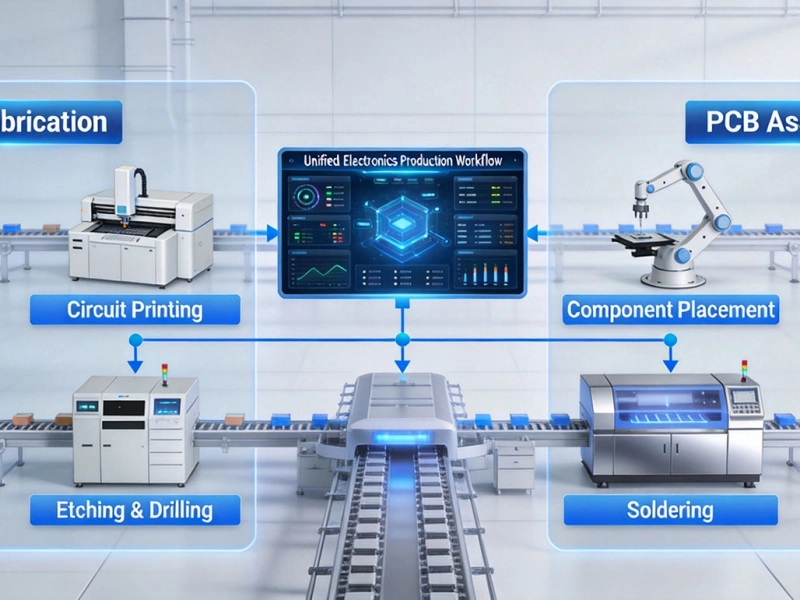
Turnkey PCB Manufacturing: Integrating Fabrication and Assembly SeamlesslyMay/26/2026
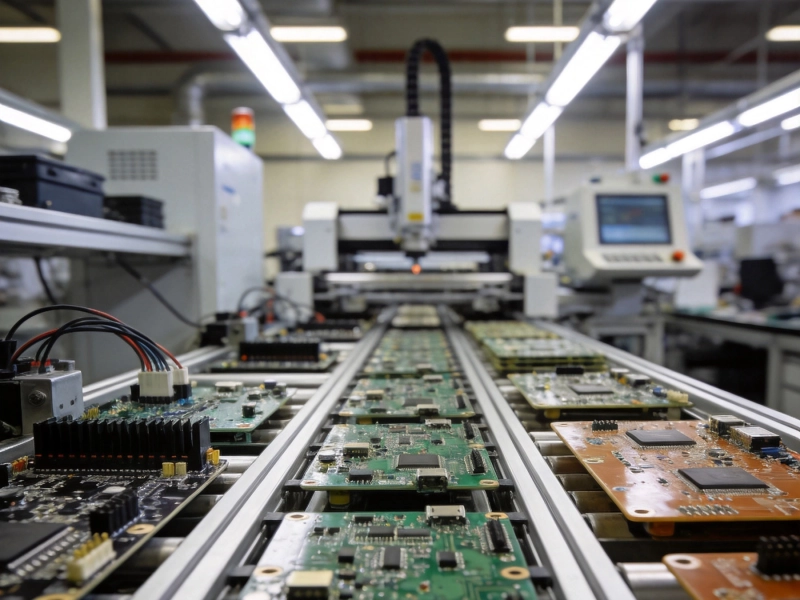
The Best Turnkey PCB Assembly Solutions for Startups and SMEsAugust/15/2026
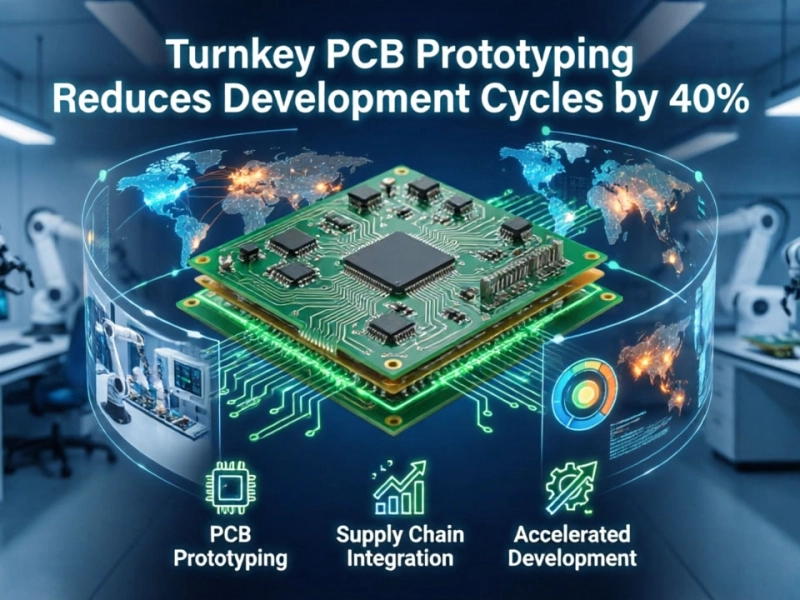
How Turnkey PCB Prototyping Reduces Development Cycles by 40%June/05/2026

How to Find Manufacturers Specializing in Low Volume Turnkey PCBAJuly/31/2026
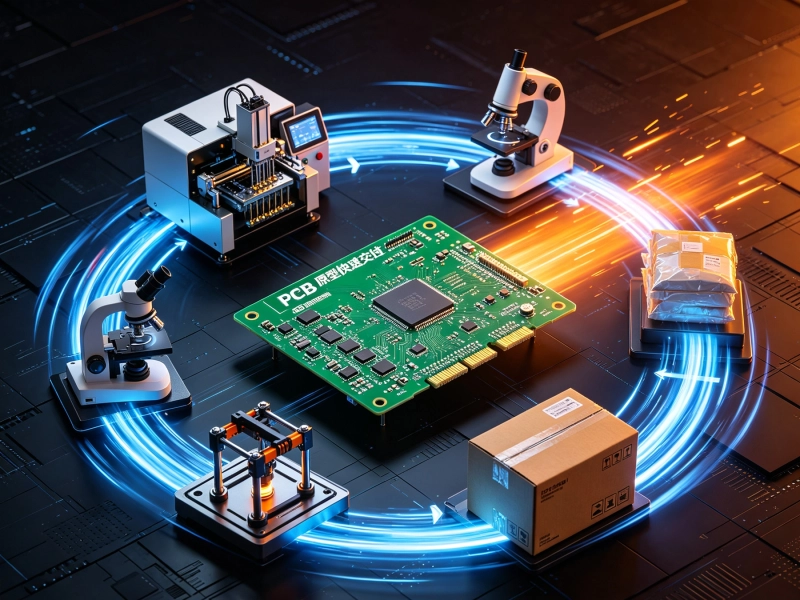
Why Fast Turnaround is Critical in Turnkey PCB PrototypingSeptember/03/2026

Best Turnkey PCB Assembly Services: Balancing Cost, Quality, and SpeedJuly/01/2026
Why Low Volume Turnkey PCBA is the Perfect Solution for StartupsMay/26/2026
Turnkey PCB Solutions: Bridging the Gap Between Design and Mass ProductionAugust/06/2026