
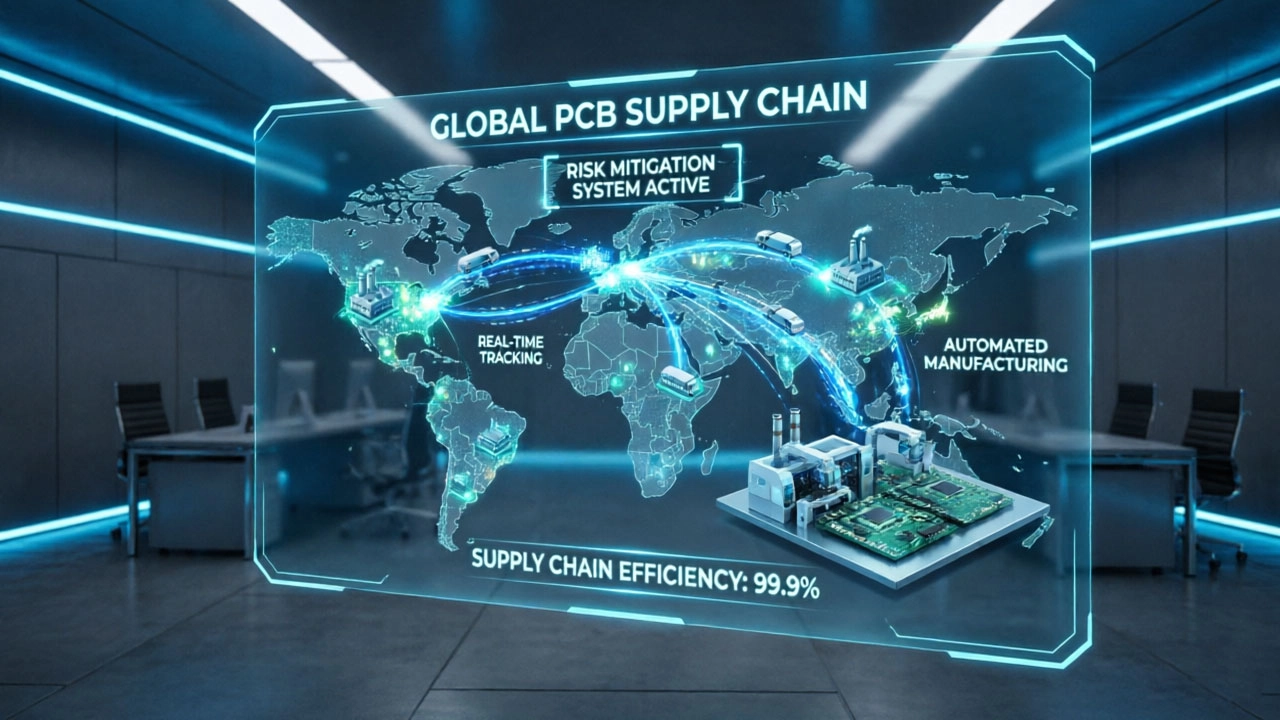
In today’s volatile electronics landscape, a single missing resistor can halt an entire production line, costing thousands of dollars per hour. For companies utilizing Turnkey PCB Assembly (where the manufacturer handles procurement, assembly, and testing), Supply Chain resilience is no longer just a bonus—it is the lifeline of product delivery. But how do industry leaders navigate geopolitical tensions, sudden shortages, and fluctuating prices?
This article distills expert insights into actionable strategies for mitigating Supply Chain risks in PCBA. Drawing from real-world manufacturing practices, we will explore proactive sourcing, digital integration, and Quality Assurance frameworks that keep your projects on track.
Relying on a single supplier for critical components like MCUs or power ICs is a high-stakes gamble. Experts emphasize moving beyond simple "Plan B" thinking to establish robust multi-source ecosystems.
Practical Takeaway: During the design phase, explicitly ask your PCBA partner to identify potential single-point-of-failure components. Incorporating standardized footprints across multiple brands in your schematic can save months of redesign time later.
You cannot manage what you cannot see. Modern supply chain Risk Management relies heavily on digitization to transform reactive panic into proactive planning.
From my experiance auditing PCBA facilities, I've seen that companies with transparent digital dashboards consistently recover faster from global disruptions. Data-driven decisions eliminate the guesswork and emotional reactions that often plague crisis management.
When supply chains tighten, the temptation to source from unauthorized brokers increases. However, this introduces severe risks of counterfeit or refurbished components entering the production stream.
Furthermore, establishing strong contractual agreements regarding price-lock mechanisms and penalty clauses for late deliveries helps align supplier incentives with your own risk tolerance.
Reducing supply chain risks in Turnkey PCB Assembly is not about eliminating uncertainty entirely—that is impossible. It is about building an antifragile system that absorbs shocks and adapts quickly. Through strategic multi-sourcing, digital transparency, and uncompromising quality controls, manufacturers can turn supply chain volatility from a fatal weakness into a competitive advantage.
Is your current PCBA partner equipped to handle tomorrow's disruptions? Don't wait for the next shortage to test their capabilities. Reach out today to discuss how our resilient supply chain framework can safeguard your next hardware launch.
Q1: How far in advance should I lock in component pricing?
For standard passives, JIT purchasing is usually fine. However, for active components with long lead times, experts recommend locking in pricing and allocating capacity at least 12 to 16 weeks prior to the target production date.
Q2: What is the biggest red flag when evaluating a turnkey supplier's supply chain?
Lack of transparency. If a supplier refuses to share their Approved Vendor List (AVL), cannot provide traceability reports, or hesitates to explain their alternative component validation process, consider it a major risk factor.
Q3: Can Design For Manufacturing (Dfm) actually help with supply chain risks?
Absolutely. Dfm reviews often identify overly restrictive component specifications. By relaxing tolerances or suggesting more widely available equivalent parts during the design phase, you significantly reduce future procurement bottlenecks.
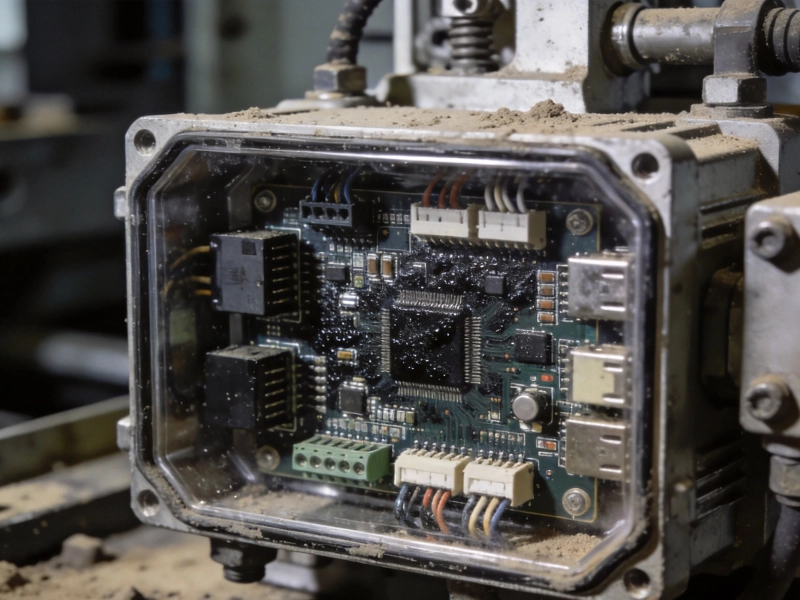
Ruggedized PCB Assembly for Harsh Industrial EnvironmentsJuly/20/2026
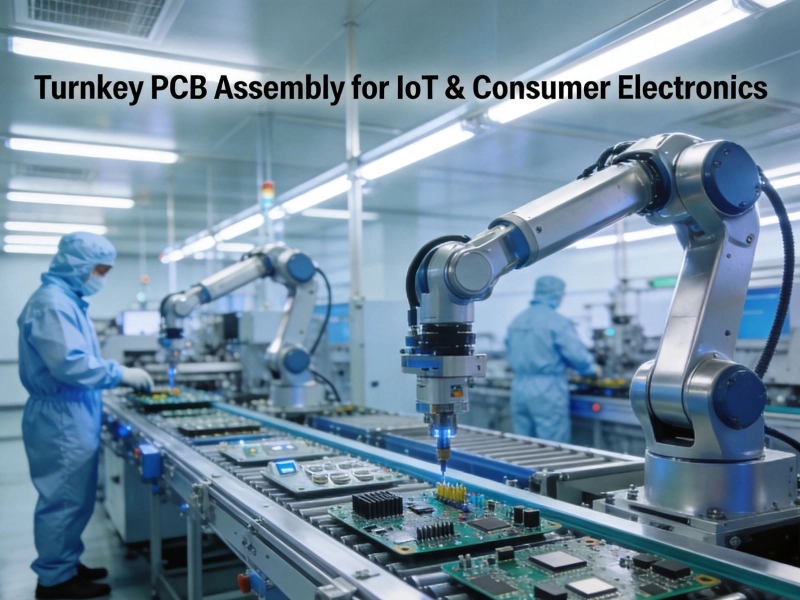
Best Turnkey PCB Assembly for Consumer & IoT ElectronicsJune/16/2026

Cost Breakdown Insights: Where Does Your Money Go in Turnkey PCB Assembly?September/24/2026
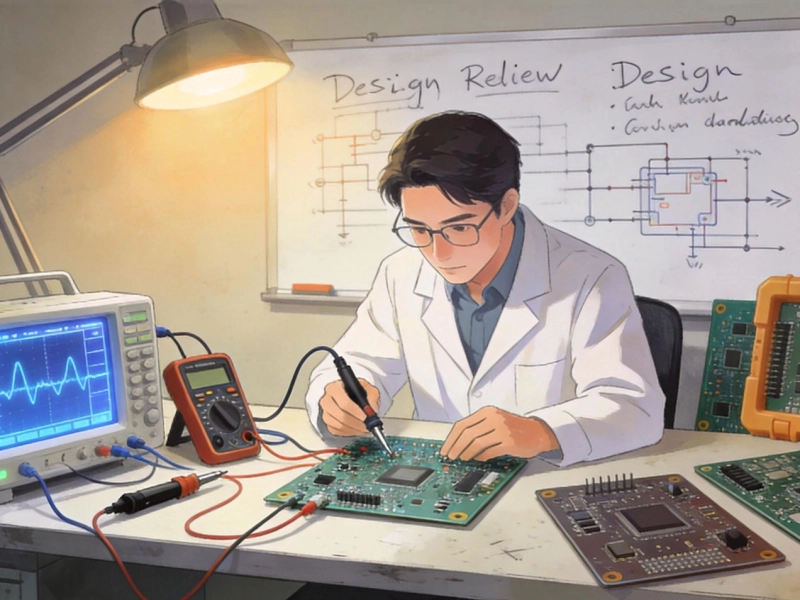
The Ultimate Guide to Turnkey PCB Prototyping for Hardware EngineersMay/26/2026

Key Insights on DFM (Design for Manufacturing) in Turnkey ProjectsJuly/26/2026
Turnkey PCB Assembly for Flight Control Systems and Navigation<June/22/2026
The Best Turnkey PCB Assembly Solutions for Startups and SMEsAugust/15/2026
Turnkey PCB Solutions: Bridging the Gap Between Design and Mass ProductionAugust/06/2026