
When your product development timeline is tight and margins matter, finding the right Turnkey PCB Assembly partner feels like searching for a needle in a haystack. You need a manufacturer who won't sacrifice quality for speed, won't inflate costs for convenience, and won't leave you juggling multiple vendors. The truth is, the best Turnkey PCB Assembly services aren't about picking two out of three—they're about finding a provider who understands how these three elements work together as a system.
This guide cuts through the noise. Whether you're an electronics engineer launching a prototype, a procurement manager streamlining supply chains, or a startup founder bringing hardware to market, you'll walk away knowing exactly what to look for, what questions to ask, and how to evaluate whether a turnkey PCB Assembly Service genuinely delivers on its promises.、
Before diving deeper, let's make sure we're on the same page. Turnkey Pcb Assembly means the manufacturer handles everything from bare board fabrication through final test and packaging. You send your design files (Gerber, BOM, pick-and-place data), and you receive finished, tested circuit boards ready for integration. No managing separate vendors for boards, components, stencils, or assembly. The convenience is obvious—but convenience without competence becomes a liability real quick.
Here's where things get tricky though: not all turnkey services actually operate as true turnkey providers. Some act more like brokers, outsourcing portions of the work while marking up the price. The difference between a true manufacturer and a middleman can mean everything when problems arise at 11 PM the night before a trade show deadline.
It's tempting to chase the lowest quote. We've all seen assembly services advertising prices that seem too good to be true—and usually, they are. The cheapest option often means corners cut somewhere: older equipment, less rigorous inspection protocols, overseas production with longer lead times, or customer support that takes days to respond.
But here's what most buyers miss: the true cost of Pcb Assembly isn't just the unit price. It's the total cost of ownership. A $0.50 difference per board means nothing if you're rework rate jumps from 0.5% to 5%. Hidden costs like expedited shipping fees, minimum order quantities that force overproduction, or quality-related returns can easily erase any upfront savings—and that's before factoring in the engineering time spent troubleshooting intermittent failures caused by marginal craftsmanship.
When evaluating cost, ask for a detailed breakdown. A reputable Ems provider will gladly explain where your money goes. If they get defensive or evasive about pricing details, that's a red flag worth taking seriously.
Quality in PCB assembly isn't a single checkbox—it's a layered approach spanning Design For Manufacturing (Dfm) review, controlled manufacturing processes, and comprehensive testing. Here's what separates genuinely quality-focused Turnkey Pcb Assembly services from those who merely claim to care about quality.
The best Turnkey Pcb Assembly providers don't just build what you send. They analyze your design for manufacturability before production begins. This means catching potential issues like component footprint mismatches, Thermal Management concerns, or Signal Integrity problems while changes are still cheap to make—not after you've received 500 defective boards.
A proper Dfm review typically includes checking against industry standards like IPC-A-600 for board acceptability and IPC-7711/7721 for rework procedures. If a vendor skips this step to save time, they're essentially asking you to absorb the risk of design errors.
Look for providers holding relevant certifications: ISO 9001 for quality management systems is baseline, while Iatf 16949 (automotive) or AS9100 (aerospace) indicate more rigorous process controls. For medical or safety-critical applications, UL listing and IPC-A-610 workmanship certification matter significantly.
Beyond certificates hanging on walls, ask about their statistical process control (SPC) practices. Do they track Solder Paste viscosity, reflow oven temperatures, and AOI defect rates over time? Providers genuinely committed to quality measure everything—and more importantly, they use that data to drive continuous improvement rather than just documenting problems after the fact.
Automated Optical Inspection (AOI) catches obvious defects like tombstoning, bridging, and missing components. But for hidden joints—particularly BGA and QFN packages—X-ray inspection becomes essential. A quality-focused turnkey PCB Assembly Service will include appropriate inspection levels based on your board complexity, not charge extra for basic workmanship verification.
Functional testing is where the rubber meets the road though. Flying probe testing, in-circuit testing, and boundary scan testing each have strengths depending on your board's design. Ask potential vendors what test coverage they provide and whether it's included in their standard pricing or quoted as an add-on line item.
"Fast turn" has become marketing shorthand for everything from "slightly quicker than normal" to "genuinely 24-hour assembly." Understanding what different speed tiers actually mean helps you set realistic expectations and avoid nasty surprises when your boards don't arrive as promised.
Standard lead times for Turnkey Pcb assembly typically range from 10 to 15 business days, depending on board complexity and component availability. This timeline assumes smooth sourcing, first-pass success, and no unexpected issues during manufacturing.
Expedited services—typically 5 to 7 business days—usually incur premium pricing of 25% to 50%. The extra cost covers overtime shifts, dedicated equipment time, and priority handling throughout the process.
True quick turn services, offering 24 to 72 hour assembly, represent a different category entirely. These require vendors with substantial in-house capabilities: stock component inventories, multiple assembly lines, and testing equipment ready on-demand. Not every provider claiming quick turn actually maintains these resources. Verify their claimed capabilities with concrete examples from recent deliveries.
Regardless of quoted lead times, certain steps can introduce unexpected delays:
The best Turnkey Pcb assembly services communicate proactively about these risks rather than letting them ambush you. Ask potential vendors how they handle delays and what communication protocols they follow when timelines slip.
Armed with the framework above, here's a practical checklist for Vendor Evaluation. These questions cut through marketing claims and reveal how a provider actually operates.
Pay attention not just to answers, but how questions are received. Providers who welcome scrutiny and answer thoroughly tend to be more reliable partners than those who deflect or give vague responses.
Sometimes what a vendor doesn't say reveals more than their actual answers. Watch for these warning signs during the evaluation process:
One more thing: trust your gut during site visits if you get them. Clean, organized facilities with modern equipment usually correlate with better process control. Chaos in the warehouse or outdated machinery rarely stays contained to the back office.
After evaluating multiple turnkey Pcb Assembly Services, resist the temptation to make decisions purely on price. The lowest-cost provider often delivers the highest total cost when you factor in quality failures, communication friction, and timeline surprises.
Instead, weight your decision based on what matters most for your specific project. Prototype work might prioritize speed and communication. High-volume production may reward quality consistency over marginal cost differences. Safety-critical applications demand the most rigorous quality processes, full stop.
The sweet spot exists where cost efficiency, documented quality, and realistic delivery timelines overlap. Find a vendor who acknowledges constraints honestly rather than promising everything and delivering nothing. That honesty—backed by demonstrated capability—predicts reliable partnership better than any spec sheet ever could.
Costs vary widely based on board complexity, component values, and order volume. Simple boards might start around $50 to $200 per unit in small quantities, while complex multi-layer boards with BGAs and fine-pitch components can range from $500 to several thousand dollars per unit. Always request detailed quotes based on your specific BOM and design files.
Three strategies work reliably: First, standardize components where possible—using common package sizes and widely-available parts reduces sourcing premiums. Second, optimize your Design For Manufacturing—fewer unique part types, adequate clearances, and panelized designs lower assembly costs. Third, build relationships for Volume Pricing—even moderate increases in order frequency often unlock meaningful discounts.
Quick turn services prioritize speed through dedicated resources, in-stock components, and expedited processing at premium pricing. Standard services batch orders for efficiency, resulting in longer lead times but lower costs. For prototypes or urgent requirements, quick turn justifies the premium. For production runs, standard timelines usually deliver better economics.
Request sample builds before committing to larger orders—most reputable providers accommodate this. Ask for customer references in similar industries, request defect rate statistics from recent production runs, and verify certifications through third-party databases rather than accepting self-reported claims. Site visits, whether in-person or virtual, reveal facility conditions and operational practices that documents can't capture.
Standard requirements include Gerber Files (for board geometry), a bill of materials (BOM) listing all components with reference designators, pick-and-place data for component positioning, and any assembly drawings with special instructions. Most providers accept industry-standard formats and can advise on specific requirements during onboarding.
Balancing cost, quality, and speed in PCB assembly isn't about compromise—it's about strategic alignment. The right turnkey Pcb Assembly Service becomes an extension of your engineering team, proactively identifying issues, optimizing designs for manufacturability, and delivering consistent results that let you focus on what you do best.
Start with the checklist above. Evaluate vendors critically. Ask uncomfortable questions. Request evidence. The partnership you build today will determine whether your hardware launches succeed or stumble—and the difference often comes down to choosing a turnkey PCB assembly provider who genuinely operates at the intersection of cost efficiency, quality excellence, and reliable delivery.
Your next great product deserves manufacturing partners who understand that every board they produce represents something you've worked hard to design. Choose accordingly.
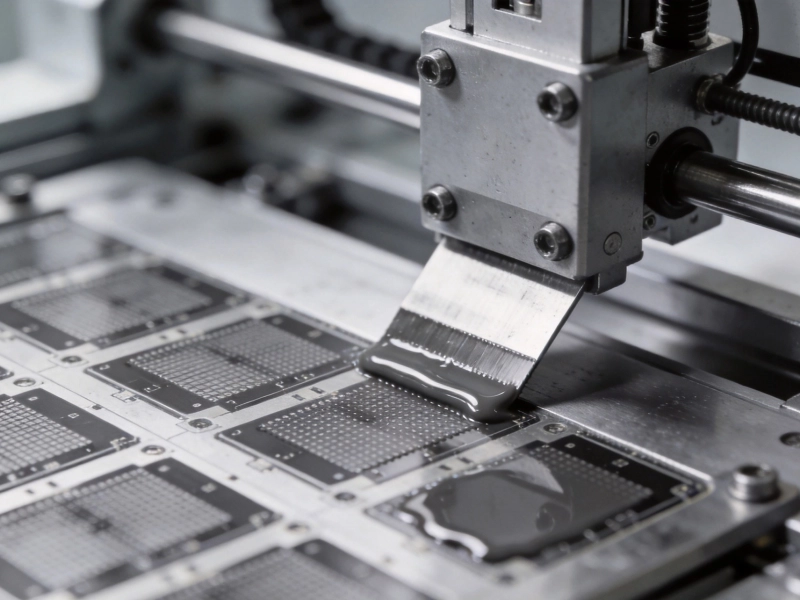
The Impact of Solder Paste Technology on Turnkey SMT Assembly YieldsJuly/29/2026
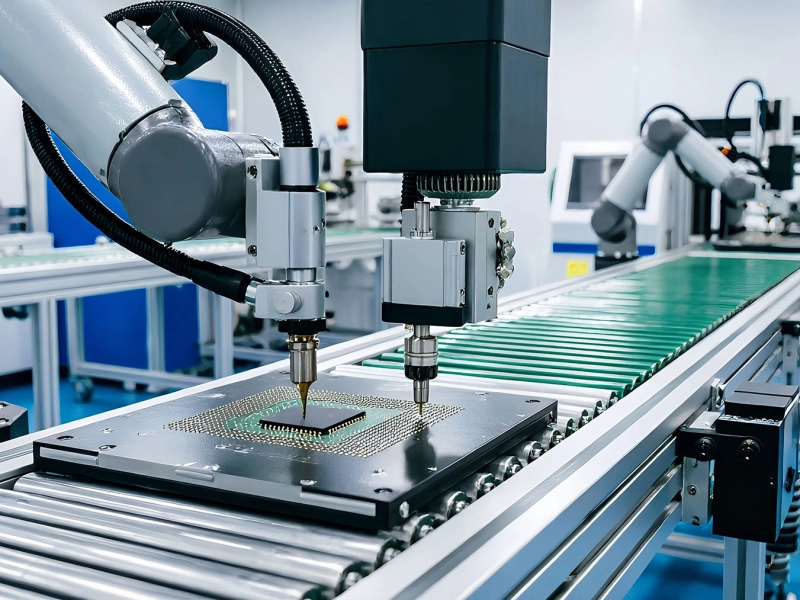
Turnkey SMT Assembly: Handling 01005 Components and Micro BGAsJune/08/2026
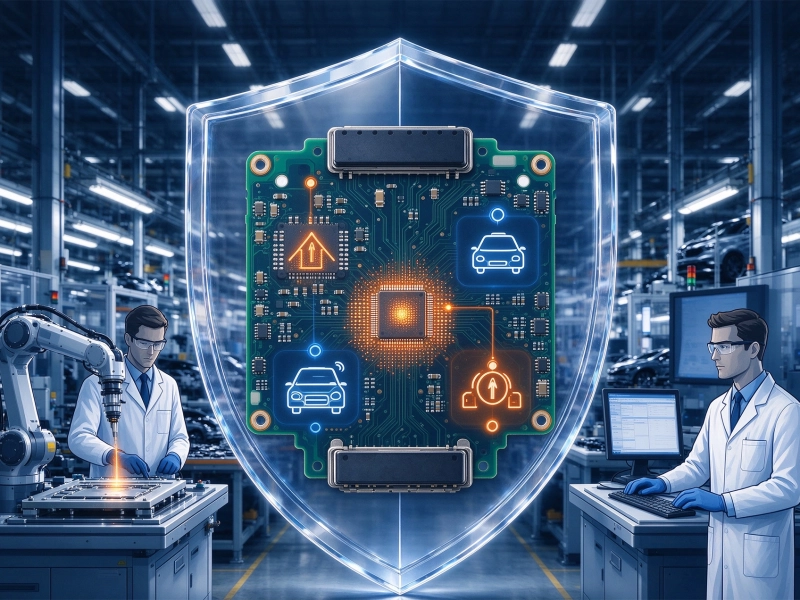
Zero-Defect Strategies in Turnkey PCB Assembly for Safety-Critical Auto PartsOctober/19/2026

Best Turnkey PCB Assembly for High-Volume Consumer GadgetsOctober/15/2026

Turnkey PCB Assembly Insights: 2026 Industry Trends and Market AnalysisMay/26/2026
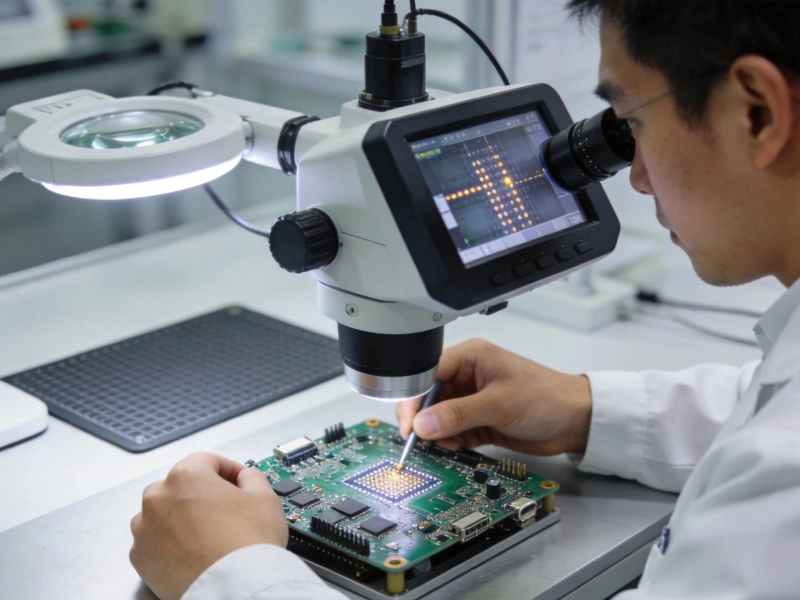
Quality Control Standards in Turnkey SMT Assembly (IPC-A-610 Explained)July/07/2026

The Optimal Balance of Cost, Quality, and Speed in One-Stop PCB Assembly ServiceJune/02/2026
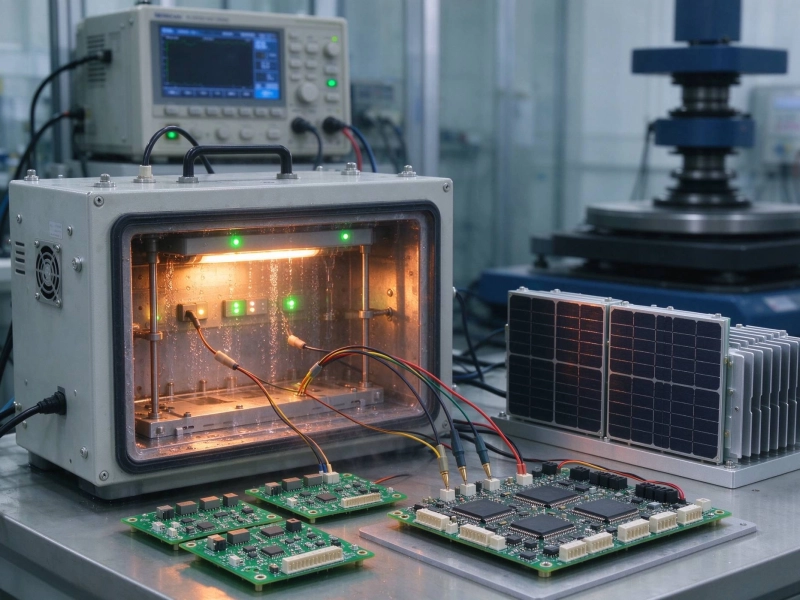
Reliability Standards for Turnkey PCB Assembly in Solar Energy SystemsOctober/16/2026