
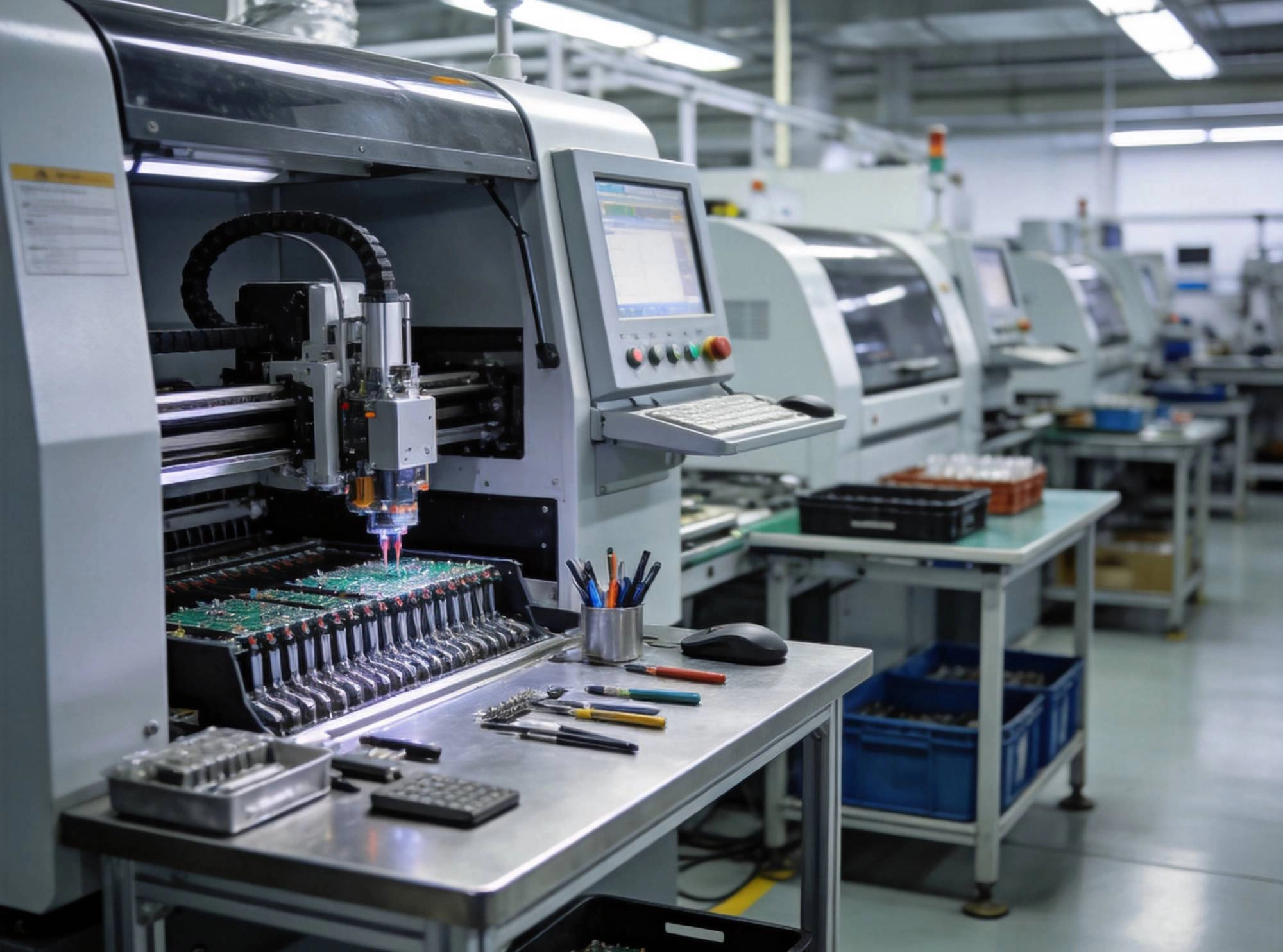
Finding the right manufacturing partner for low volume Turnkey PCB Assembly represents a critical decision for hardware startups, product developers, and engineering teams. The ideal manufacturer understands the unique challenges of small batch production, offers comprehensive services from procurement through assembly, and provides the flexibility that development-stage companies require. Yet locating such partners requires strategy, persistence, and clear evaluation criteria.
This guide walks through practical approaches to identify, evaluate, and establish relationships with manufacturers who genuinely specialize in low volume turnkey work. Whether you need prototypes for validation, pilot production for market testing, or ongoing small batch manufacturing, these strategies help you find partners aligned with your needs.
Turnkey Pcba encompasses the complete assembly process, from sourcing components through final testing and packaging. A turnkey manufacturer handles everything, relieving customers of procurement complexity, inventory management, and Supply Chain coordination. This convenience proves especially valuable for companies without dedicated procurement teams or Electronics Manufacturing expertise.
Low volume typically ranges from single prototypes to a few thousand units annually. This range sits awkwardly between prototype services optimized for one-off builds and production services optimized for high-volume runs. Manufacturers specializing in low volume understand these requirements and structure their services, pricing, and processes accordingly.
Managing component procurement while developing hardware consumes significant time and attention. Engineers find themselves hunting obsolete parts, negotiating with distributors, and tracking lead times instead of focusing on design improvement. Turnkey services eliminate these distractions, allowing technical teams to concentrate on core competencies.
Component obsolescence poses particular challenges for small teams. A single discontinued part can block an entire project while engineers search for alternatives or last-time-buy sources. Turnkey manufacturers maintain broad supplier relationships and stock common components, often resolving obsolescence issues faster than individual buyers can manage.
Manufacturers optimized for high-volume production struggle with low volume work. Setup costs distributed across thousands of units become burdensome when spread across dozens. Production scheduling prioritizes large orders, causing delays for small batch customers. The economics simply do not support the attention low volume customers need.
Specialized low volume manufacturers structure their operations differently. They accept smaller orders without punitive pricing, maintain capabilities for quick-turn work, and develop processes that handle frequent changeovers efficiently. This operational focus creates a fundamentally different customer experience than generalist manufacturers attempting to serve all volume levels.
Locating specialized low volume manufacturers requires exploring multiple channels. Different sources offer different perspectives, and combining approaches provides the broadest view of available options. The search typically begins with online research but should extend to personal networks and industry connections.
Expect the search process to take several weeks. Rushing to select a manufacturer based on limited information often leads to mismatches that prove expensive later. Investing time upfront in thorough evaluation pays dividends throughout the relationship.
Several online directories specialize in Electronics Manufacturing services. These platforms aggregate manufacturer capabilities, allowing search by volume range, technology type, geographic location, and service offerings. While directory presence does not guarantee quality, it provides starting points for evaluation.
Industry marketplaces have emerged more recently, connecting buyers directly with manufacturers throughRFQ systems. These platforms often feature reviews and ratings that provide social proof, though evaluating the completeness and honesty of reviews requires care. Some platforms vet manufacturers before listing, reducing risk for buyers.
Electronics manufacturing trade shows bring dozens or hundreds of manufacturers together in one location. Events like IPC APEX EXPO,Productronica, and regional trade shows enable direct conversation with manufacturer representatives. Face-to-face interaction reveals information that websites and quotes cannot convey.
Show attendance requires preparation to maximize value. Identify target manufacturers in advance, prepare specific questions, and bring design files for quick capability assessment. Follow up with promising contacts within days while conversations remain fresh. The relationships built at shows often lead to the best manufacturing partnerships.
Personal recommendations from engineers who have worked with manufacturers provide valuable insight. Fellow professionals share candid assessments of quality, communication, and reliability that marketing materials never convey. Ask specific questions about their experience with low volume work and whether they would use the manufacturer again.
LinkedIn groups and industry forums offer access to broader professional networks. Posting requests for manufacturer recommendations generates multiple responses quickly. The diversity of perspectives helps identify common praise or complaints that single sources might miss. Search archives for previous discussions about specific manufacturers to gather historical perspective.
Once you have identified potential partners, systematic evaluation separates serious candidates from unsuitable options. Focus evaluation on factors that directly impact your product quality, timeline, and cost. Avoid being swayed by impressive facilities that cannot deliver practical benefits for your specific needs.
Evaluation should progress from basic capability matching through detailed assessment of quality systems and fit. Initial screening eliminates clearly mismatched candidates quickly, while deeper evaluation for shortlisted options ensures thorough understanding before commitment.
Technology requirements vary significantly across products. A simple through-hole board might be assemblable by almost any manufacturer, while advanced HDI boards with 0.3mm BGAs require specialized equipment and expertise. List your technology requirements explicitly and verify that candidates have demonstrated capability.
Equipment age and maintenance affect both capability and quality. Newer equipment generally offers better precision and reliability, but well-maintained older equipment can produce excellent results. Ask about maintenance practices, equipment upgrades, and capacity utilization. Manufacturers comfortable sharing this information demonstrate transparency that correlates with overall quality orientation.
Quality certifications indicate manufacturer commitment to process control and continuous improvement. ISO 9001 certification represents baseline quality management practices. IPC-certified processes indicate adherence to industry standards for Electronics Assembly. AS9100 or Iatf 16949 certifications matter for aerospace and automotive applications respectively.
Certifications provide starting points but require verification. Request copies of certificates and verify them with issuing organizations. Schedule facility audits for significant projects to assess actual quality system implementation. Manufacturers who welcome audits demonstrate confidence in their processes.
Turnkey services depend heavily on component procurement strength. Ask about distributor relationships, component stock levels, and lead time capabilities. Manufacturers with broad franchise distributor access can source most components quickly, while those relying primarily on spot market purchases face more variability.
For long-term production, discuss component continuity and obsolescence management. Ask how manufacturers handle end-of-life components and what notice they provide when shortages emerge. These practices significantly impact production continuity for products with multi-year lifecycles.
Direct questioning reveals manufacturer fit more effectively than specifications alone. Prepare targeted questions that probe specific concerns relevant to your situation. Pay attention not just to answers but to how confidently and honestly manufacturers respond.
Listen for specificity in responses. Vague answers suggest limited experience with your requirements. Specific answers with concrete examples demonstrate genuine expertise. Manufacturers should be able to explain how they have handled situations similar to yours previously.
Ask about minimum order quantities and how pricing scales with volume. Understanding whether they truly specialize in low volume or merely tolerate it reveals operational priorities. Look for manufacturers who offer competitive pricing at quantities you need rather than requiring you to meet their minimum thresholds.
Request detailed quotations that break down tooling costs, per-unit pricing, component markups, and testing fees. Comparing quotations side by side identifies significant cost differences that warrant explanation. Unexplained variations may indicate different scope definitions or quality assumptions.
Ask about standard lead times for various order sizes and how quickly they can respond to rush requests. Low volume specialists should offer reasonable standard lead times without penalizing smaller orders. Quick-turn capability matters for prototype iterations and urgent production needs.
Probe flexibility regarding design changes mid-production. Ask how they handle component substitutions when originals become unavailable, how they manage BOM changes between orders, and what notification they provide about Supply Chain issues. These practices significantly impact ongoing production experience.
Ask about primary communication channels and expected response times. Determine whether you work with dedicated account managers or general queues. Understand engineering support availability for Dfm feedback and troubleshooting. Good communication separates excellent manufacturing relationships from merely adequate ones.
Request references from customers with similar requirements. Speaking directly with current or former customers reveals unfiltered perspectives about daily working relationships, quality consistency, and problem resolution. Willingness to provide references indicates confidence in customer satisfaction.
Several warning signs indicate manufacturers who may not deliver on promises or who lack genuine low volume expertise. Recognizing these flags early prevents costly mismatches. Trust your instincts when something feels wrong during evaluation.
Be especially cautious of extremely low pricing. Quality and service require investment, and manufacturers offering significantly lower prices than competitors may be cutting corners on materials, processes, or inspection. The lowest-cost option rarely proves cheapest over product lifetime.
Slow or evasive responses during the inquiry phase predict future communication problems. If manufacturers are difficult to reach before you commit, they will likely be inaccessible after you depend on them. Difficulty getting clear answers to straightforward questions suggests organizational dysfunction.
Be wary of promises that seem too convenient. Manufacturers who guarantee impossible lead times, unusually low pricing, or flawless quality should be questioned. Reality typically intrudes on unrealistic promises, and the disappointment proves costly when it arrives.
Unable to provide samples or example work suggests limited experience or quality concerns. Request example boards that demonstrate capabilities relevant to your requirements. Inability or unwillingness to provide examples warrants serious concern.
Vague responses about quality processes or certifications suggest they may not hold the credentials claimed. Verify all certifications independently. Manufacturers unwilling to support their claims with documentation should be eliminated from consideration.
After evaluating candidates through research, questionnaires, and direct conversation, narrow your selection to the most promising options. For significant projects, ordering samples or trial builds from top candidates provides hands-on experience before full commitment.
Consider multiple factors in final selection, weighing those most important for your specific situation. Price matters but should not override quality and reliability. Communication and flexibility may prove more valuable than lowest cost if they prevent problems or accelerate development.
Start with a small trial order before committing to large production. This trial validates actual quality, communication, and delivery performance under real conditions. The trial cost proves worthwhile insurance against mismatches that would cost far more later.
Structure trial orders to exercise the capabilities most critical for your needs. If quick turn matters, include rush elements. If complex assembly tests their limits, design trial boards accordingly. The goal is learning whether this manufacturer can handle your actual requirements, not just simple demonstration builds.
Once you select a manufacturer, invest in the relationship. Clear communication, reasonable expectations, and mutual respect create partnerships that improve over time. Manufacturers who see you as a valued customer rather than a transaction provide better service and prioritize your needs.
Provide feedback on quality and service, positive and negative. Manufacturers improve through customer input. When problems occur, work collaboratively toward resolution rather than immediately escalating to threats. Most issues resolve through reasonable discussion, and maintaining relationship integrity often proves more valuable than individual dispute outcomes.
Manufacturing location significantly impacts logistics, cost, communication, and lead times. Different regions offer different trade-offs that matter depending on your priorities. Global manufacturing has democratized access to capable manufacturers while complicating relationship management.
Evaluate regions based on your specific priorities. If speed matters, proximity helps. If cost dominates, lower-labor-cost regions may win. If intellectual property protection matters most, domestic manufacturing may justify premium pricing. Your priorities drive the appropriate geographic choice.
China offers the largest concentration of electronics manufacturing capability globally. The ecosystem supports everything from simple assemblies to advanced technologies. Component access, manufacturing density, and competitive pricing make China attractive for many applications.
Quality among Chinese manufacturers varies widely. The best Chinese manufacturers match or exceed quality from any global source. However, due diligence becomes more critical when distance makes oversight difficult. Clear specifications, thorough documentation, and rigorous incoming inspection help manage geographic separation.
Domestic manufacturing simplifies communication, reduces logistics complexity, and may accelerate timelines for urgent needs. Cultural alignment and time zone overlap simplify collaboration. For products with intellectual property concerns or regulatory requirements, domestic manufacturing may provide advantages.
Cost premium for domestic manufacturing has narrowed but remains significant for many products. Evaluate whether premium pricing delivers sufficient value through faster response, easier oversight, or reduced logistics complexity. For some applications, the premium pays; for others, it does not justify marginal benefits.
Selecting a manufacturing partner involves longer-term commitment than single project. Consider how relationships evolve as your volumes grow and products mature. Manufacturers who serve you well at prototype stage may or may not be appropriate for production scaling.
Discuss growth scenarios explicitly with potential partners. Ask about their capacity, their experience scaling products from Prototype To Production, and how they handle volume increases. Understanding their trajectory helps align expectations about future partnership development.
Products often succeed beyond initial expectations, requiring rapid production scaling. Ask manufacturers about their ability to scale quickly when demand exceeds projections. Manufacturers with flexible capacity can respond to growth; those with fixed capacity may create bottlenecks.
Geographic diversification provides risk mitigation for critical products. Consider whether single-source manufacturing creates unacceptable risk or whether qualifying secondary sources makes sense. The cost of qualification often proves worthwhile insurance for high-volume products.
Business relationships sometimes end unexpectedly through acquisition, financial difficulty, or strategic shifts. Understanding your exit options helps manage risk. Ask about data retention, file ownership, and what happens to your tooling and documentation if the relationship ends.
Maintain your own backup copies of all documentation, Gerber files, BOMs, and test procedures. Never become entirely dependent on a manufacturer for records that you might need. Professional manufacturers do not object to customer data ownership; resistance to providing your data warrants concern.
Finding manufacturers specializing in low volume Turnkey Pcba requires systematic effort but yields significant rewards when you connect with capable partners. The right manufacturer transforms electronics production from a burden into a competitive advantage, enabling focus on design and market development rather than manufacturing management.
Approach the search with clear requirements, thorough evaluation criteria, and realistic expectations about trade-offs. No manufacturer excels at everything; identify those who excel at what matters most for your specific situation. The best partnerships develop over time through mutual investment and collaborative problem-solving.
Start your search using multiple channels, evaluate candidates rigorously, and validate performance through trial orders before major commitments. The effort invested in finding the right manufacturing partner pays dividends throughout your product lifecycle. Companies that master manufacturer relationships gain capabilities that accelerate product development and enable competitive advantage in their markets.
Minimum order quantities vary widely by manufacturer, ranging from single units at prototype specialists to 50-100 units at traditional contract manufacturers. Some manufacturers offer no formal MOQ but price minimums make small orders impractical. Expect to pay premiums for quantities below manufacturer preferred volumes.
Low Volume Pricing typically runs 30-100% higher than high Volume Pricing per unit, reflecting fixed cost distribution across fewer units. The premium varies by complexity, technology requirements, and manufacturer positioning. For prototypes or pilot builds, the absolute cost difference matters less than the value of faster development cycles.
ISO 9001 provides baseline quality system credibility. IPC-A-610 certification indicates assembly process quality. AS9100 or Iatf 16949 matter for aerospace and automotive respectively. Verify certifications independently rather than accepting manufacturer claims at face value.
Use NDAs before sharing detailed information. Work with manufacturers who have established IP protection practices. Limit detailed information sharing to committed partners rather than prospect inquiries. Understand that some IP risk accompanies any manufacturing relationship, regardless of location.
This depends on volume, criticality, and risk tolerance. Single-source relationships often benefit from deeper integration and volume discounts. Multiple sources provide Supply Chain Resilience and negotiating leverage. Many companies start with single sources and add alternatives as volumes grow and relationships mature.
Overcoming the High Cost Challenges of Low Volume Turnkey PCBAJune/11/2026

High Volume Turnkey PCBA: The Importance of Automated Assembly LinesSeptember/09/2026
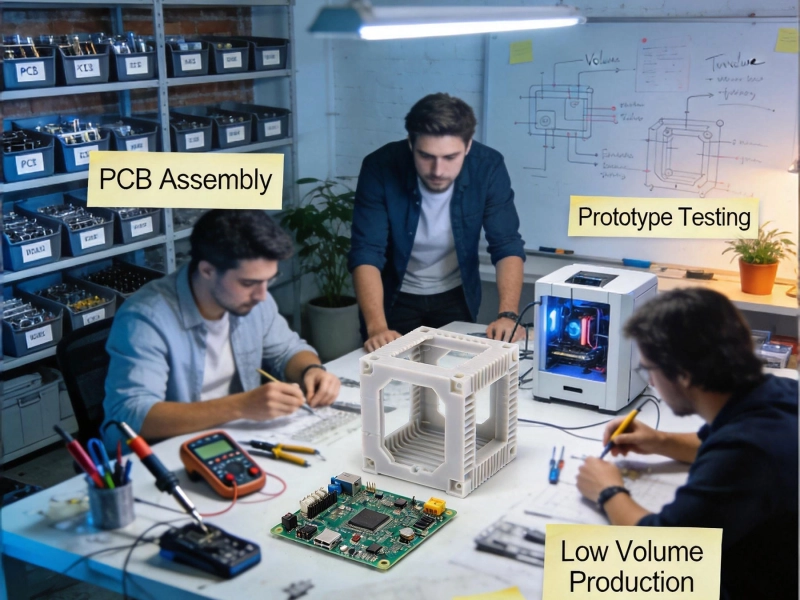
Why Low Volume Turnkey PCBA is the Perfect Solution for StartupsMay/26/2026
Cost Reduction Techniques for High Volume Turnkey PCBA OrdersAugust/03/2026
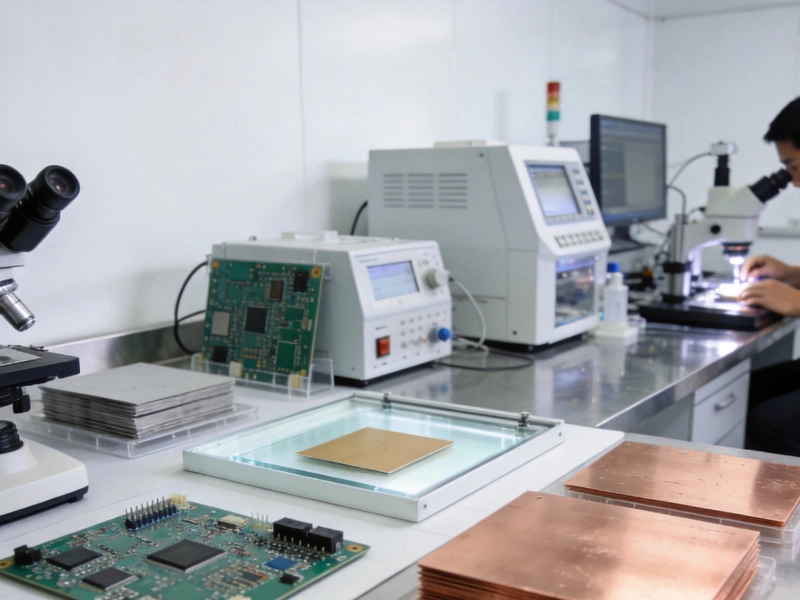
How to Verify Material Quality in Turnkey PCB ManufacturingJuly/30/2026
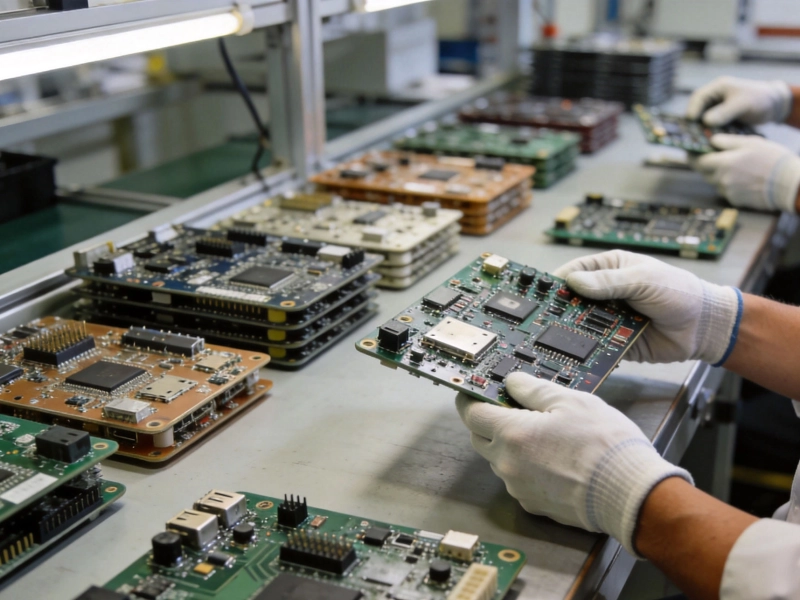
Low Volume Turnkey PCBA: Flexibility for Niche and Specialized MarketsJuly/09/2026
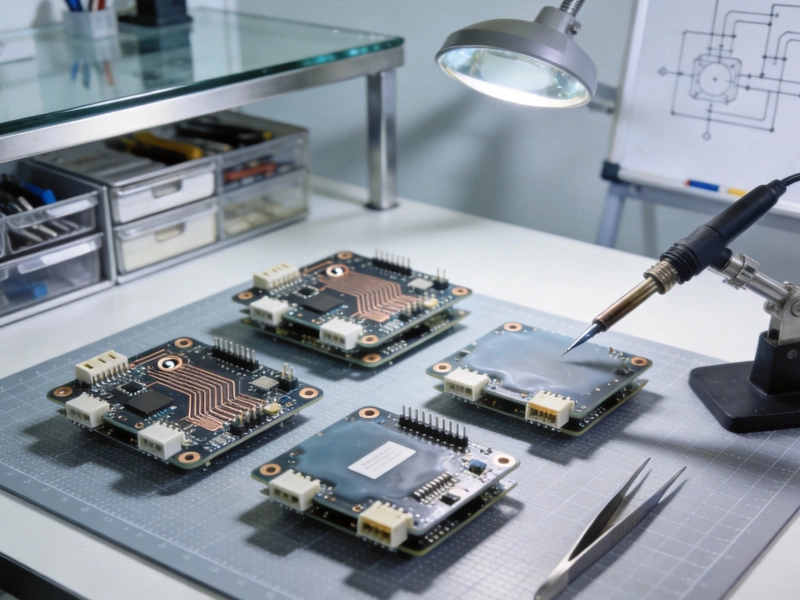
The Role of Low Volume Turnkey PCBA in Market ValidationSeptember/08/2026
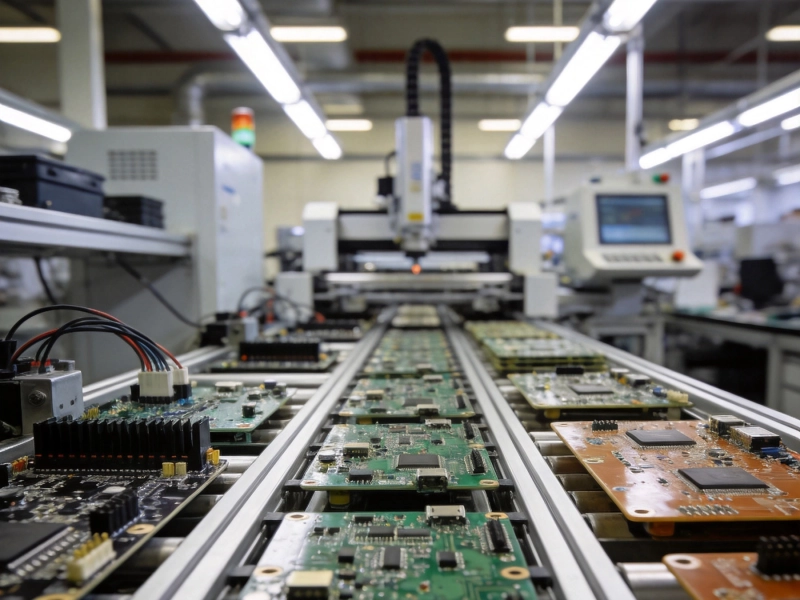
The Best Turnkey PCB Assembly Solutions for Startups and SMEsAugust/15/2026