

Production problems do not schedule themselves for convenient moments. When field failures halt operations, when design flaws emerge during production, or when unexpected component obsolescence threatens deliveries, rapid response becomes critical to business continuity. Emergency engineering fixes demand Turnkey PCB Assembly services that deliver quality results on compressed timelines. The ability to move from problem identification to replacement assemblies in days rather than weeks can mean the difference between resolving a minor disruption and experiencing a costly business interruption. Companies that establish relationships with assembly partners capable of emergency response gain resilience that protects both their operations and their customer relationships.
Field failures create urgent assembly requirements for replacement boards that incorporate design improvements. When customers report systematic failures, engineering teams must diagnose root causes, implement design corrections, and produce replacement assemblies quickly to restore customer confidence and minimize warranty costs. The timeline from failure identification to replacement delivery often determines the severity of business impact. Days matter when production lines sit idle waiting for replacement hardware.
Product recalls amplify urgency by involving regulatory reporting requirements and coordinated replacement campaigns across customer sites. Recalls create demand for large quantities of replacement assemblies within compressed timeframes, requiring assembly partners who can ramp production rapidly while maintaining quality standards. The complexity escalates when corrected designs require component changes that challenge existing supply chains.
Production issues that emerge after tooling is committed create immediate financial pressure. When functional testing reveals design problems that require board revisions, manufacturers face sunk costs in tooling and inventory alongside urgent needs for corrected assemblies. The faster corrected assemblies become available, the sooner production resumes and revenue generation continues. Every day of lost production represents direct financial impact compounded by customer delivery commitments.
Design flaws that require PCB layout changes present particular challenges because new fabrication tooling must be produced before assembly can begin. Rapid PCB Fabrication capabilities that deliver new boards in days rather than weeks become essential for resolving these situations efficiently. Assembly partners with integrated fabrication capabilities compress timelines by eliminating handoffs between separate PCB fabricators and assembly houses.
Component availability problems can halt production without warning. When a key component becomes unavailable through authorized channels, engineering teams must identify alternatives, revalidate designs, and produce assemblies using replacement components. The timeline from obsolescence notice to alternative component qualification often determines whether production continues uninterrupted or whether deliveries stop while redesign occurs.
Supply Chain disruptions from natural disasters, geopolitical events, or manufacturing problems at component suppliers create similar urgency. When a component that represents a single point of failure becomes unavailable, rapid engineering solutions enable business continuity. Assembly partners with broad Component Sourcing networks and qualified Alternative Components can accelerate these transitions by providing options that shorten redesign and validation cycles.
Most assembly providers offer multiple service levels that balance speed against cost. Standard expedited service typically delivers assemblies in 5-7 working days, compared to standard lead times of 10-15 working days. This acceleration comes through priority scheduling on assembly lines, expedited Component Sourcing, and compressed testing cycles. Pricing for standard expedited service typically carries 20-30 percent premiums over standard rates, reflecting the overtime labor and priority treatment required.
Super expedited service pushes timelines further, delivering assemblies in 2-4 working days for simpler boards or 5-7 working days for complex assemblies. These service levels require assembly partners who maintain capacity buffers specifically for emergency work, because pushing normal production processes beyond sustainable limits creates quality risks. The cost premium for super expedited service typically reaches 50-100 percent above standard rates, reflecting the intense resource commitment required.
The most urgent situations require emergency response programs that deliver assemblies in 24-72 hours for the most critical applications. These programs require assembly partners who maintain dedicated rapid response infrastructure, including standby production capacity, pre-qualified component sources, and simplified approval processes that eliminate administrative delays. Emergency response services typically command 150-300 percent premiums above standard rates, but the cost pales compared to the business impact of prolonged production stoppages.
True emergency response capability extends beyond speed to include engineering support. When problems occur at 2 PM on Friday, you need partners who respond immediately rather than waiting until Monday morning. The best emergency services include 24-hour engineering support, rapid material qualification processes, and simplified quality procedures that maintain essential verification without creating bottlenecks.
Compressing design-to-production timelines requires design decisions that facilitate rapid assembly. Engaging assembly engineering teams before design completion enables Dfm feedback that catches potential problems before they cause production delays. When emergency timelines demand speed, designers should prioritize standard components, proven assembly processes, and simplified testing strategies that reduce qualification time.
Rapid Dfm reviews focus on the most critical issues that could cause production delays rather than comprehensive optimization. Identify showstopper problems like unavailable components, non-standard footprints, or complex assembly requirements that challenge rapid production. Address these issues upfront, leaving less critical optimizations for later production runs when time permits.
Nothing destroys rapid assembly schedules faster than component unavailability. Before committing to accelerated timelines, verify component availability with your assembly partner. This assessment should check not just current stock but also lead times for volume requirements and backup sources for critical components. When standard components face long lead times, identify alternative parts with comparable specifications that are immediately available.
Emergency situations may justify using components from non-standard sources when authorized channels cannot meet delivery requirements. Independent distributors often hold inventory of components with long lead times through authorized channels. Using these sources requires robust counterfeit mitigation procedures, but when production halts cost thousands of dollars per day, the tradeoff may justify the risk when proper inspection procedures are in place.
Comprehensive test development represents the most common timeline constraint in rapid assembly programs. When emergency situations require speed, implement simplified testing strategies that focus on essential functional verification rather than exhaustive coverage. Power-up testing, basic functional checks, and visual inspection can provide sufficient confidence for initial production runs while comprehensive test programs develop in parallel.
Boundary scan capabilities provide significant acceleration advantages for designs that support them. Rather than developing custom test fixtures and programs, boundary scan leverages standard JTAG interfaces to verify interconnect integrity without specialized test equipment. This approach enables rapid verification of complex assemblies that would otherwise require weeks of test development time.
Emergency production must maintain essential quality standards despite compressed timelines. Compromising fundamental quality processes creates risks of field failures that compound the original problem rather than resolving it. Focus quality efforts on preventing the most likely failure modes while accepting calculated risks on less critical characteristics.
Inspection intensity may adapt to emergency situations, but critical inspection points remain non-negotiable. Visual inspection of solder joints, functional verification of critical functions, and electrical testing of power distribution networks cannot be eliminated without creating unacceptable risks. However, less critical cosmetic inspections or non-essential functional tests may receive reduced attention when time constraints demand tradeoffs.
Some quality processes that add days to production schedules can be simplified for emergency runs without compromising essential quality. For example, complete traceability documentation that requires days to assemble might be simplified to lot-level traceability that captures essential information without exhaustive detail. Full statistical process control might be reduced to critical parameter monitoring rather than comprehensive data collection.
The key is identifying which quality activities prevent catastrophic failures and which provide incremental improvements that can be deferred for later production runs. Focus resources on preventing the most damaging failure modes, accepting that some defects may slip through that would have been caught by more comprehensive processes. The cost of dealing with these defects through field service may be justified when weighed against the business impact of prolonged production stoppage.
Emergency assembly services carry significant cost premiums that must be justified by business impact analysis. When production halts cost $50,000 per day in lost revenue and customer penalties, a 200 percent premium on assembly cost that restores production three days faster represents clear economic benefit. The key is quantifying the business impact of delays to make informed decisions about cost versus time tradeoffs.
Emergency costs extend beyond assembly premiums to include expedited component pricing, premium shipping, and overtime labor. A comprehensive cost analysis should account for all these elements when evaluating emergency response options. In some cases, the total cost of emergency production might exceed 5-10 times standard production costs, but the business impact of continued disruption makes this expenditure justified.
The most effective way to manage emergency costs is preparation that reduces the frequency and severity of emergency situations. Maintaining relationships with assembly partners who offer emergency response capability eliminates the time required to establish these relationships during crises. Pre-qualifying Alternative Components for critical functions reduces redesign time when obsolescence occurs.
Contingency planning for common failure scenarios enables rapid response without expensive emergency services. Maintaining strategic inventory of critical components, keeping design variants qualified as backup options, and developing simplified test programs for emergency use all reduce the cost and complexity of emergency response when problems occur.
What is the fastest possible turnaround for emergency assembly?
Under ideal conditions with standard components and simple designs, emergency assembly can deliver functional boards in 24-48 hours. This requires boards already fabricated, components in stock, and assembly partners with dedicated emergency response infrastructure. More realistic emergency timelines range from 3-5 working days for most designs, assuming some component availability and reasonable design complexity.
Does emergency assembly compromise long-term quality?
Emergency assembly focuses on preventing catastrophic failures that would create immediate field problems. Some less critical defects may escape detection due to simplified testing processes, and cosmetic standards may be temporarily relaxed. However, the essential quality systems that prevent functional failures remain in place. Products produced under emergency conditions should transition to standard production quality levels as soon as emergency pressures subside.
How do I establish emergency assembly capability before a crisis occurs?
Establish relationships with assembly partners who offer emergency response programs and understand their specific capabilities and limitations. Pre-qualify alternative components for critical functions. Develop simplified test strategies that can be implemented quickly. Maintain documentation that enables rapid material procurement without extensive qualification cycles. These preparations require investment but pay dividends when crises occur.
What information do assembly partners need to provide emergency quotes?
Emergency quotes require complete and accurate information to avoid delays. Provide Gerber files, complete BOMs with preferred and alternate components, assembly drawings, test specifications, and clear requirements for delivery timeline and quality level. Missing information causes delays that defeat the purpose of emergency response. The more complete and accurate your information package, the faster your partner can respond.
Can emergency assembly support field modifications and repairs?
Emergency assembly services support field modifications when the design changes are clearly documented and the modifications can be performed reliably on assembled boards. However, rework of completed assemblies introduces additional quality risks compared to producing new boards. For field repair situations, producing new assemblies with corrected designs typically provides more reliable outcomes than attempting rework on existing boards.
Emergency engineering fixes demand rapid Turnkey Assembly capabilities that balance speed against quality. Production problems that halt operations create urgency that justifies premium costs and compressed timelines, but success requires preparation and partnerships established before crises occur. Companies that develop relationships with assembly partners capable of emergency response gain resilience that protects business continuity and customer relationships when problems inevitably occur.
Understanding the tradeoffs between speed, cost, and quality enables informed decisions about when emergency services make sense and when alternative approaches better serve business interests. Not every production problem warrants emergency response—some situations are better addressed through accelerated standard processes or strategic inventory buffers. The key is developing the judgment to assess each situation and apply the appropriate response strategy.
Build emergency response capability into your Supply Chain before you need it. Establish relationships with capable partners, pre-qualify alternative components, and develop simplified processes that enable rapid response. The investment in preparation pays dividends when problems occur, turning potential crises into manageable situations that demonstrate operational resilience to your customers and stakeholders.
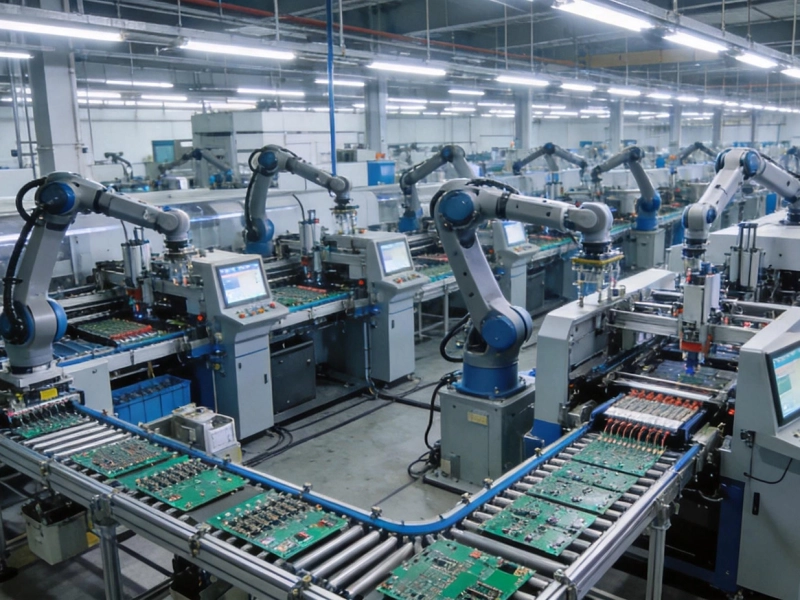
Strategies for Scaling to High Volume Turnkey PCBA ProductionMay/26/2026

How Digital Platforms are Enabling 24-Hour Rapid Turnkey PCBASeptember/10/2026
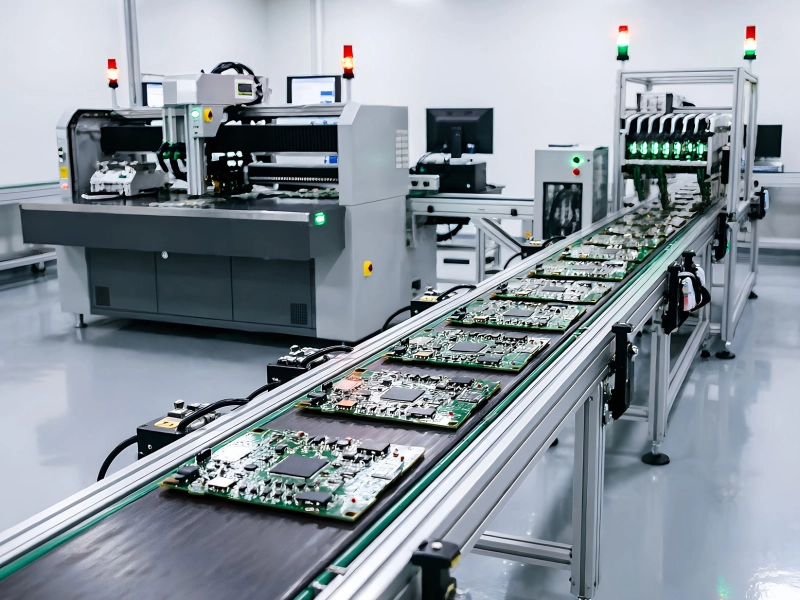
The Trade-offs Between Speed and Cost in Rapid Turnkey PCBAJuly/13/2026
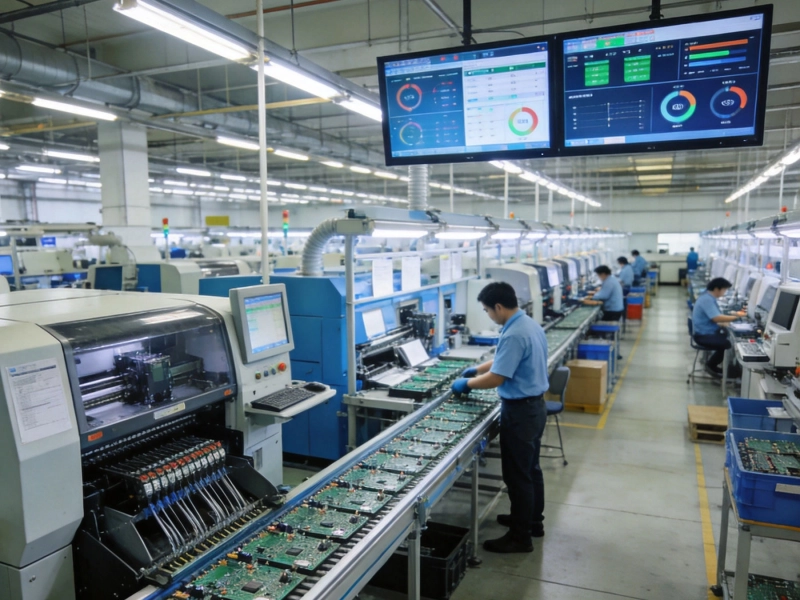
High Volume Turnkey PCBA: Ensuring Consistency and Yield at ScaleJune/12/2026

Rapid Turnkey PCBA: How to Get Your Electronics Built in Days, Not WeeksJune/15/2026
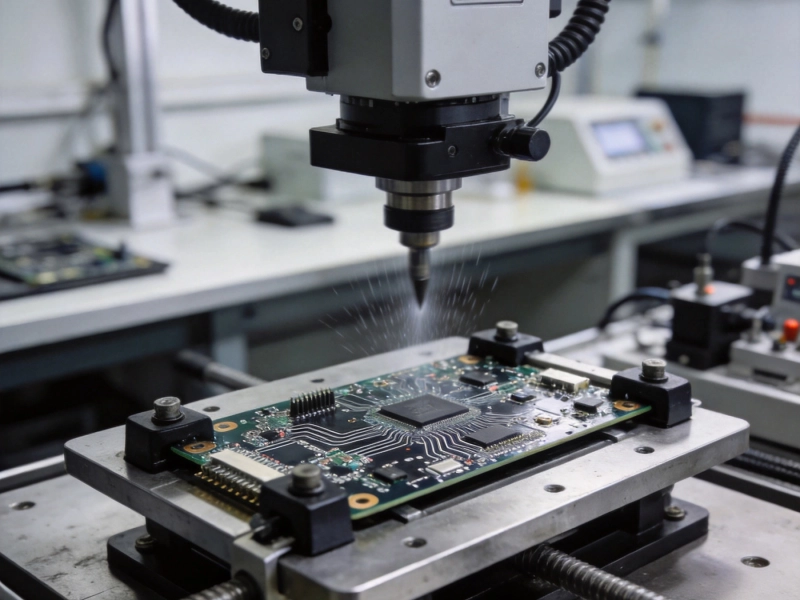
Vibration and Shock Resistance in Automotive PCB AssemblyAugust/08/2026
What Are Turnkey PCB Services?May/26/2026

The Role of Turnkey PCB Assembly in Advanced Driver Assistance Systems (ADAS)July/17/2026