Open Nav

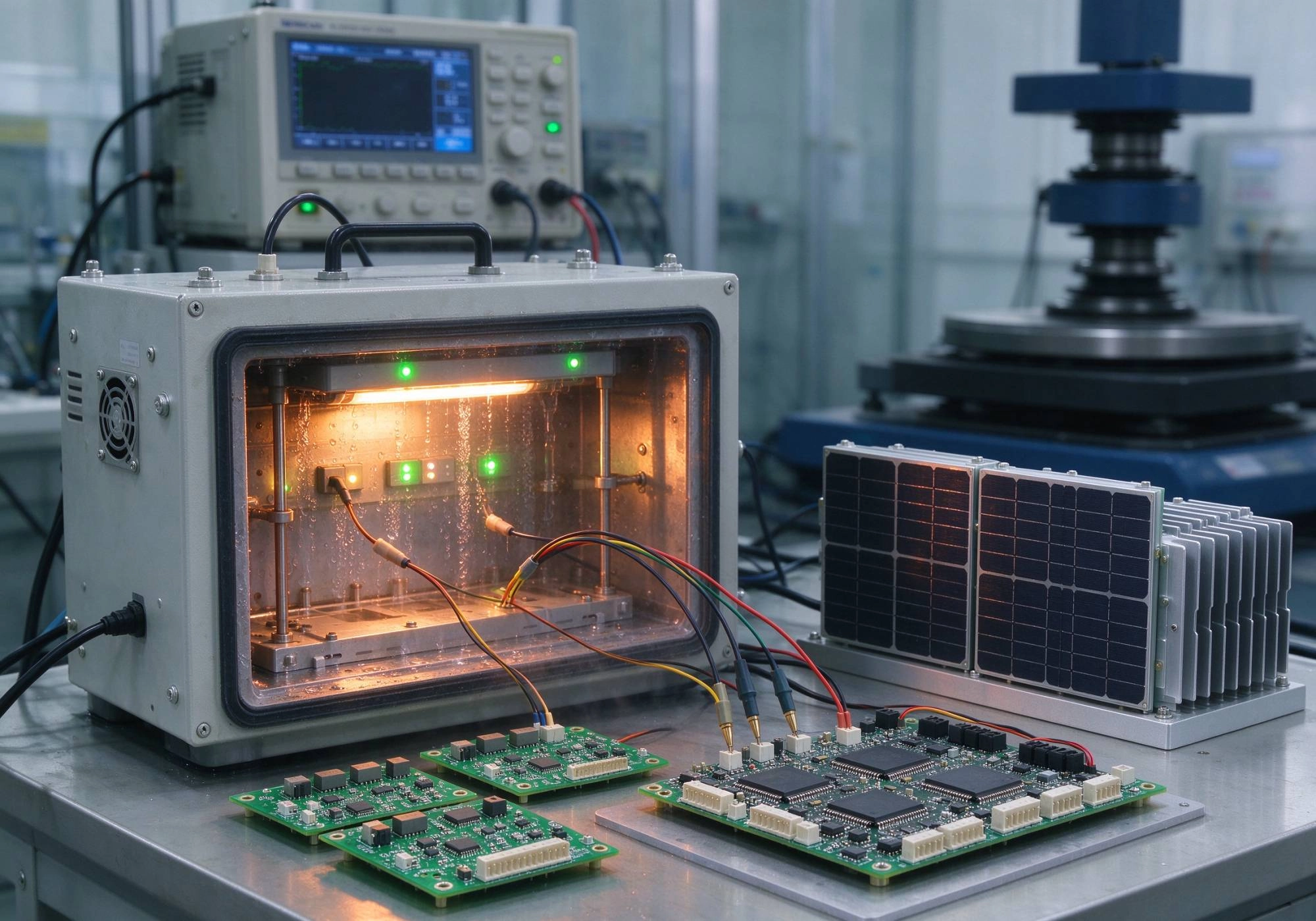
Reliability Standards for Turnkey PCB Assembly in Solar Energy SystemsSolar energy systems don't forgive sloppy electronics. A single cold solder joint on an inverter control board, a thin copper trace on a DC-DC converter, or a poorly specified conformal coating can turn a twenty-year warranty into a costly field failure. That's why reliability standards for turnke...
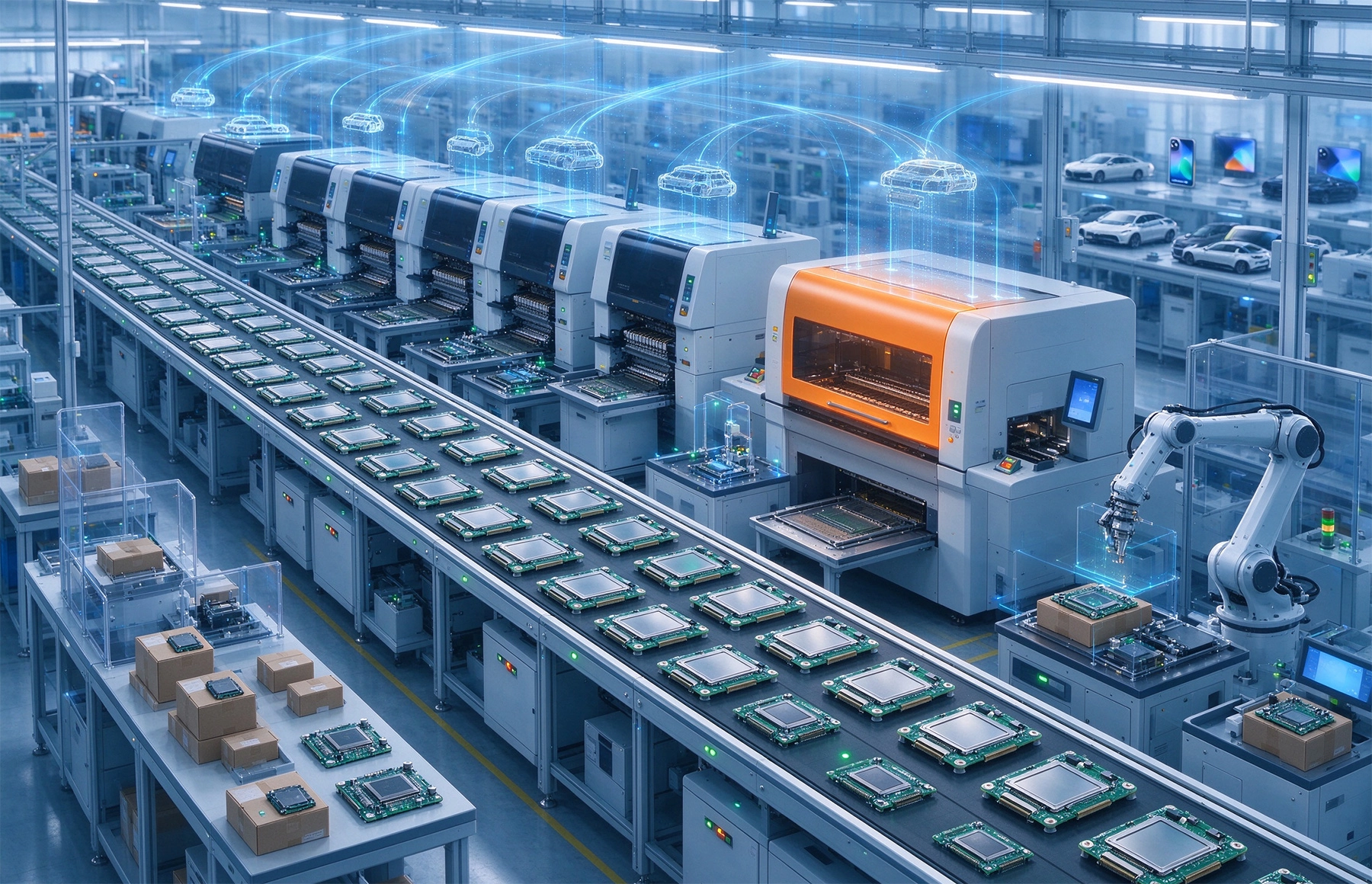
Best Turnkey PCB Assembly for High-Volume Consumer GadgetsThe consumer electronics market is unforgiving. Margins are thin, product lifecycles are short, and the demand for aesthetic perfection is absolute. Whether you are manufacturing smart wearables, wireless earbuds, or IoT home devices, the difference between a successful product launch and a logist...
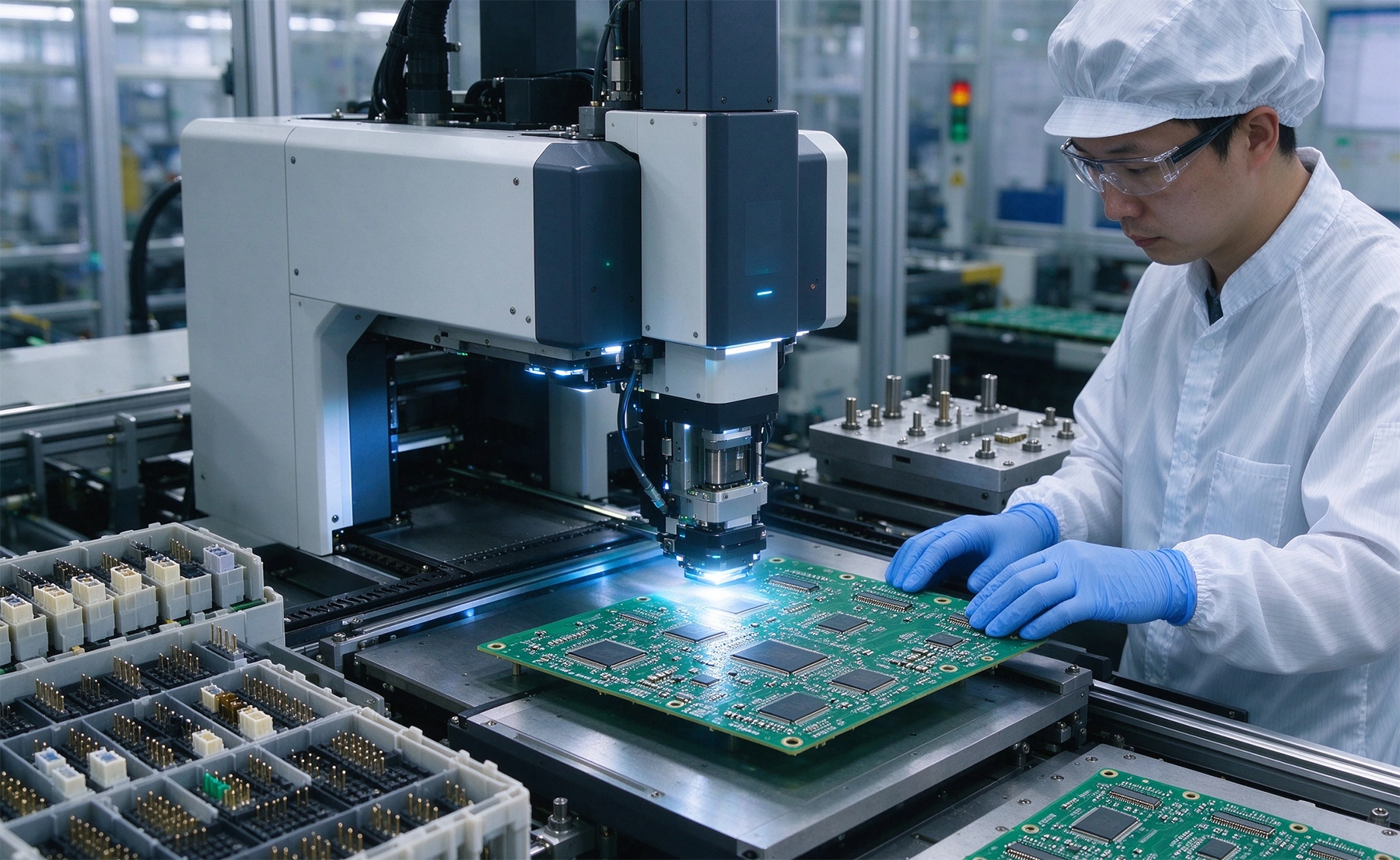
How Turnkey PCB Solutions Simplify Project Management for Engineers?Managing a hardware project involves juggling dozens of moving parts—PCB fabrication, component sourcing, assembly, testing, and logistics. For engineers, especially those in startups or small teams, coordinating all these activities across multiple vendors can quickly become overwhelming. This is...
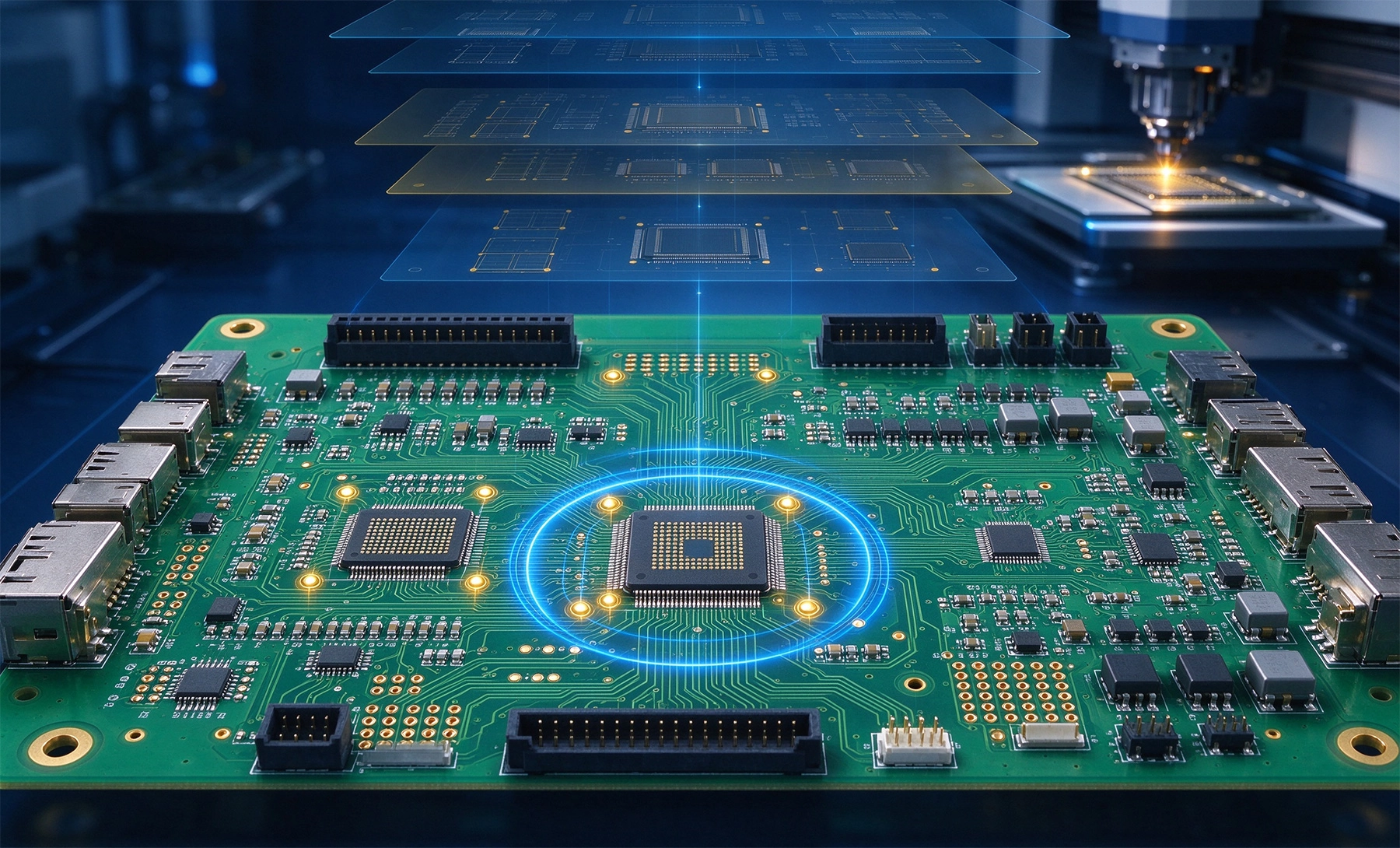
Preparing Your Design Files for Rapid Turnkey PCBA SuccessRapid turnkey PCBA is one of the fastest ways to move from schematic to working hardware, but it only works when the factory receives a clean and complete file package. Many delays do not come from slow production lines. They come from missing layers, ambiguous BOMs, inconsistent coordinates, unclea...

Managing Logistics and Distribution in High Volume Turnkey PCBAHigh-volume turnkey PCBA (Printed Circuit Board Assembly) is a supply chain operation as much as it is a manufacturing process. When production scales from hundreds to hundreds of thousands of units, the complexity of logistics and distribution often eclipses the complexity of the assembly itself. A...
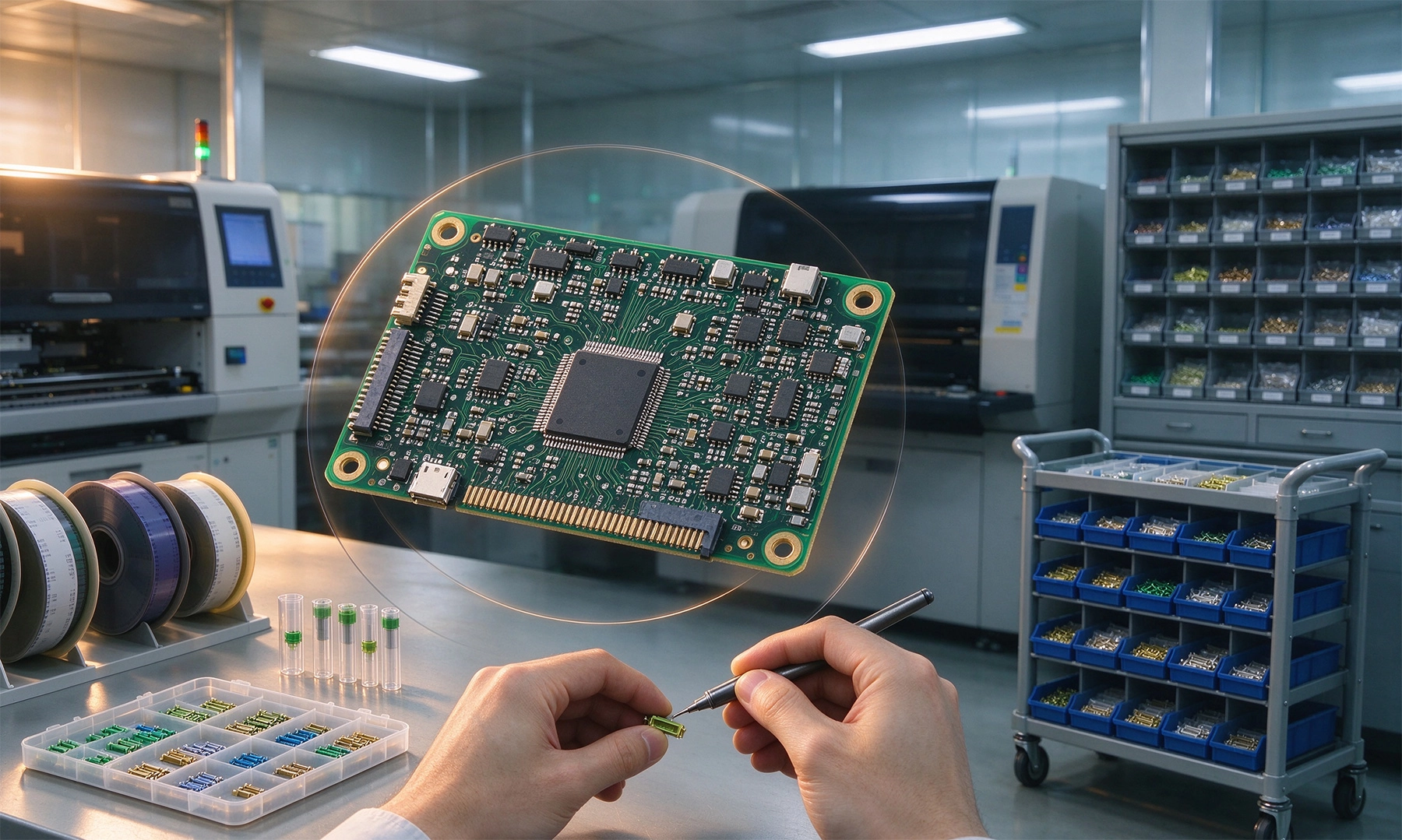
Low Volume Turnkey PCBA: Managing MOQs and Component SourcingLow volume turnkey PCBA is one of the most talked-about topics in electronics manufacturing today, especially for startups, R&D teams, and companies doing pilot runs. If you ever tried ordering a small batch of PCB assemblies, you probably already know the headache: minimum order quantities, l...

The Advantages of Local vs. Overseas Turnkey PCB ManufacturingThe question of where to manufacture your PCBs isn't simple anymore. A decade ago, the answer was almost automatic: overseas, because the cost savings were overwhelming. Today, the calculation is more nuanced. Local manufacturing has improved in capability and competitiveness. Overseas manufacturi...
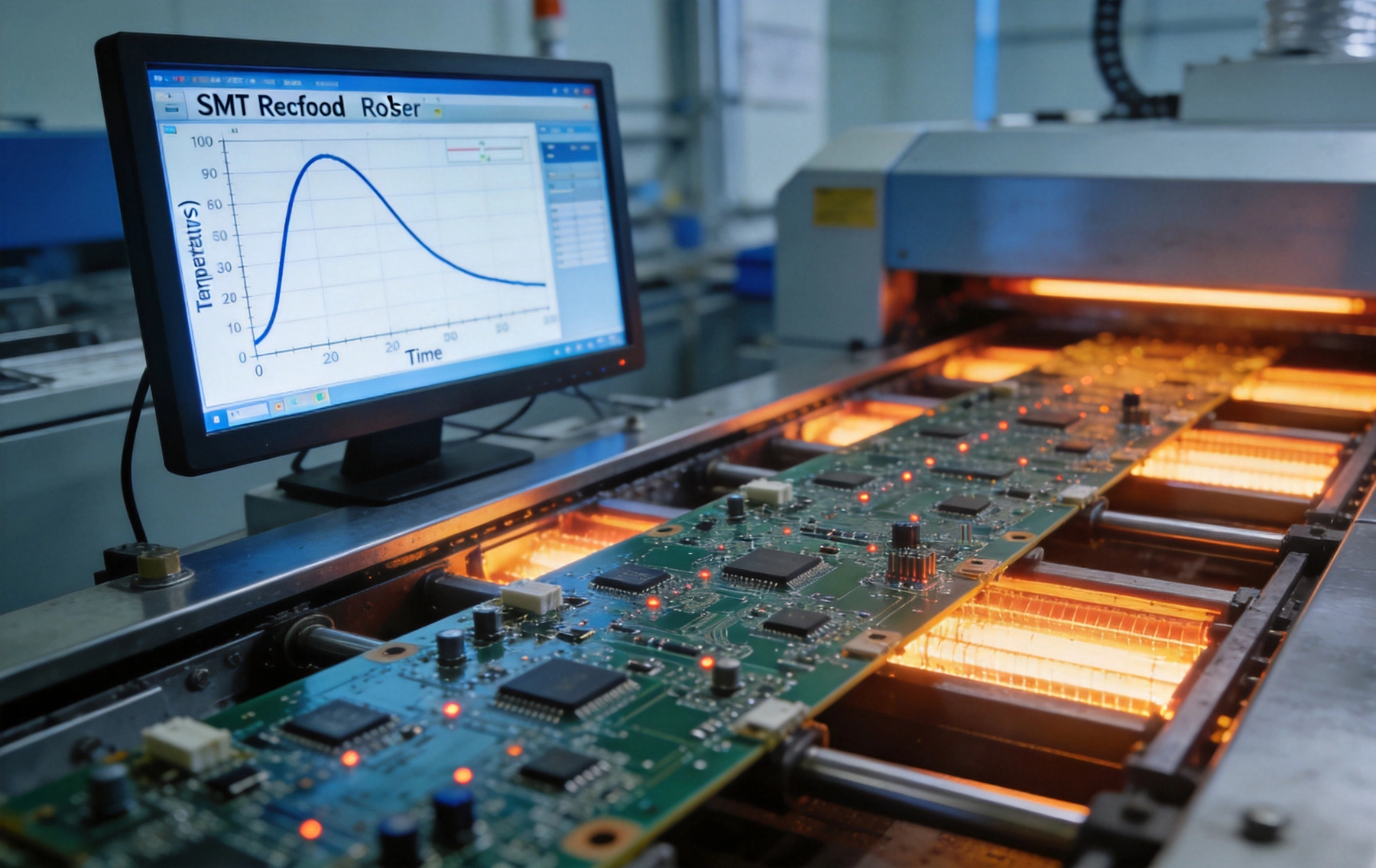
Optimizing Reflow Profiles for Flawless Turnkey SMT AssemblyThe reflow oven is where the quality of a SMT assembly run is either confirmed or compromised. After careful paste printing and precise component placement, the reflow profile is the decisive thermal event that transforms a collection of components and solder paste into a solid, reliable electroni...
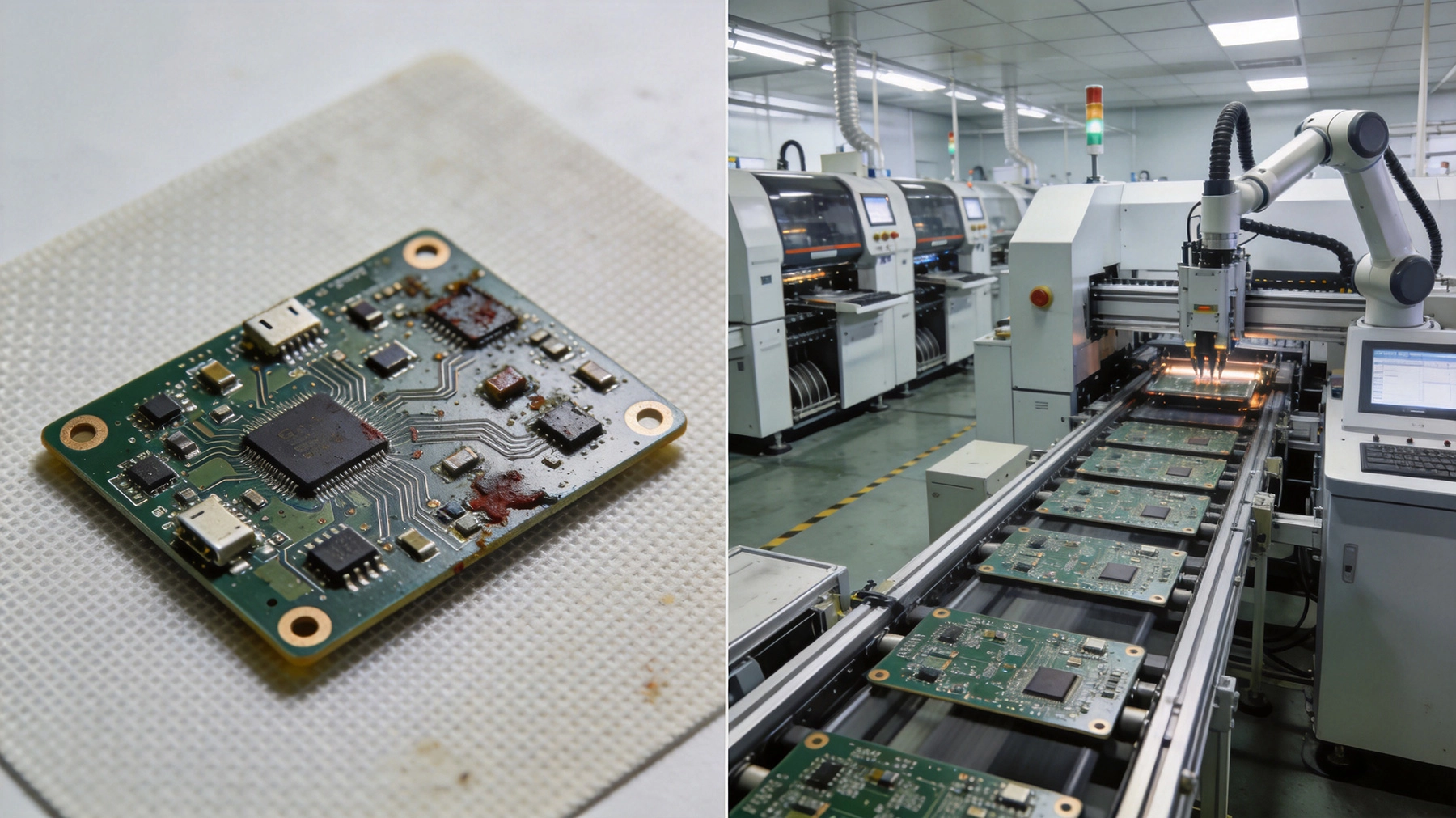
Transitioning from Turnkey PCB Prototyping to Mass Production SmoothlySuccessfully launching an electronic product requires more than just a working prototype. The transition from turnkey PCB prototyping to high-volume mass production is one of the most critical and high-risk stages in product development. Many companies encounter unexpected delays, cost overruns, a...
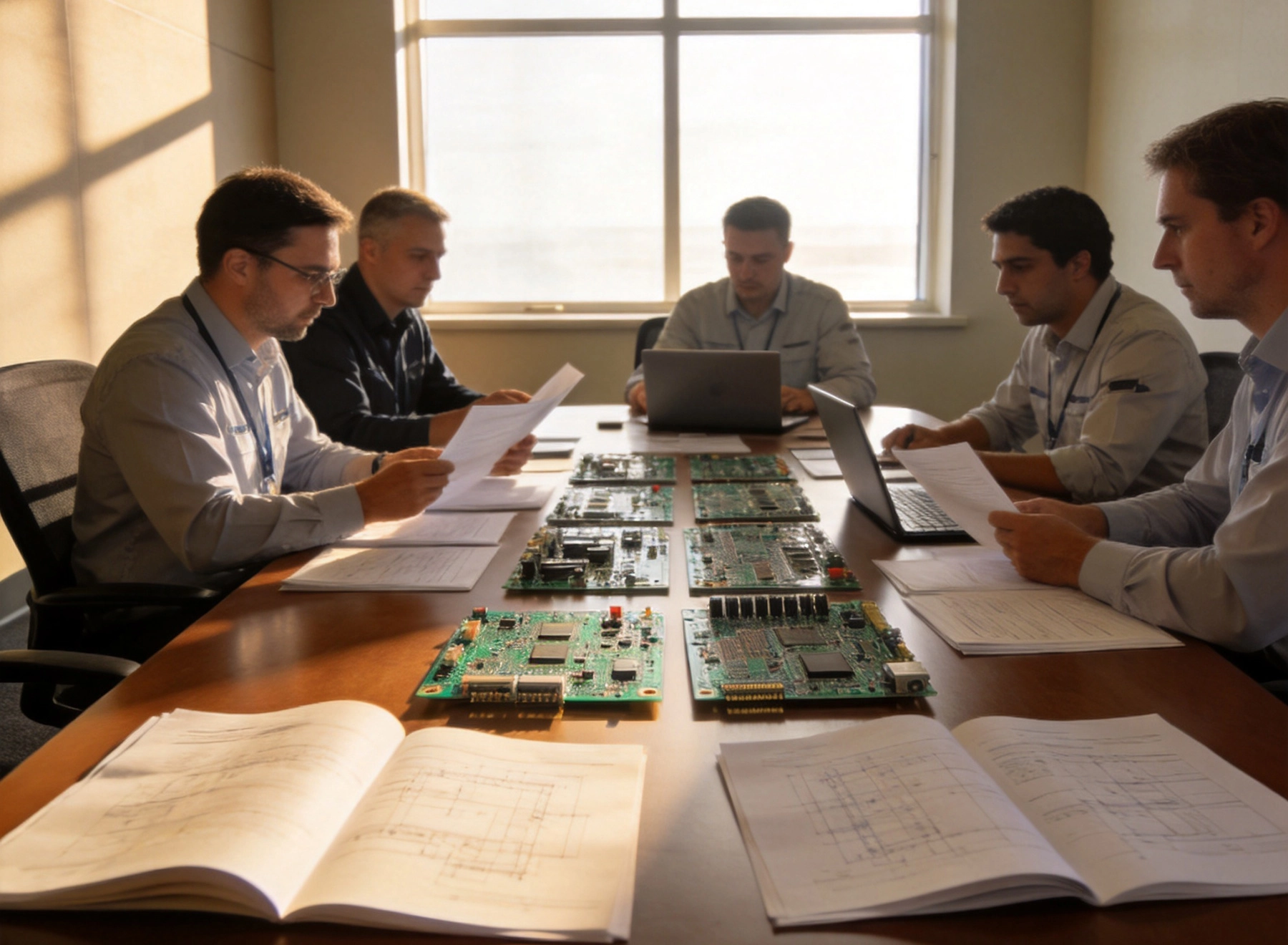
Essential Questions to Ask Before Hiring Turnkey PCB ServicesChoosing a turnkey PCB assembly partner is one of the most consequential decisions in your hardware development journey. The wrong partner delivers late, ships defective boards, goes silent when problems arise, or quietly substitutes components without telling you. The right partner feels like an ...

Cost Breakdown Insights: Where Does Your Money Go in Turnkey PCB Assembly?When you receive a quote for turnkey PCB assembly, the total number at the bottom can feel opaque. Is the component markup reasonable? Are you overpaying for inspection? Why does a 100-unit run cost nearly as much per board as a 10-unit run? Without understanding how the total breaks down into its...
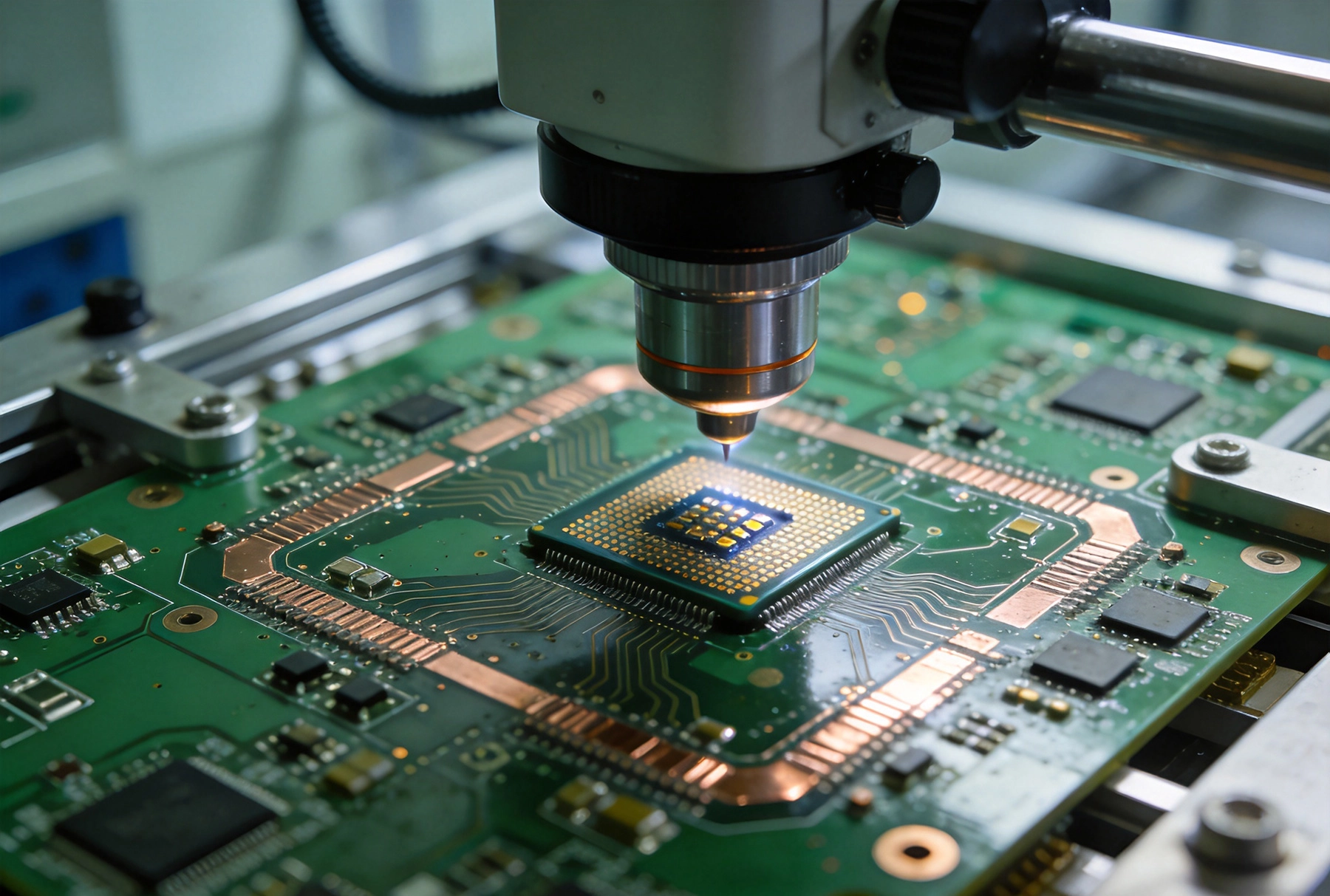
Best Turnkey PCB Assembly for Complex Multilayer Boards: What to Look ForComplex multilayer PCBs present manufacturing challenges that escalate dramatically with layer count and feature density. A 4-layer board operates within relatively forgiving design rules, but an 8-layer or 16-layer board with controlled impedance, blind and buried vias, and fine-pitch components ...
Top-tier providers offer versatile production capabilities to match any project scale, seamlessly handling Low volume Turnkey Pcba for startups and High volume Turnkey Pcba for mass-market deployment, alongside Rapid Turnkey Pcba for urgent deadlines. Leveraging expert Turnkey PCB Assembly Insights, the best manufacturers optimize every step of the workflow. This holistic approach guarantees cost-efficiency, reliability, and a faster Time-to-market for your innovative electronic products.