
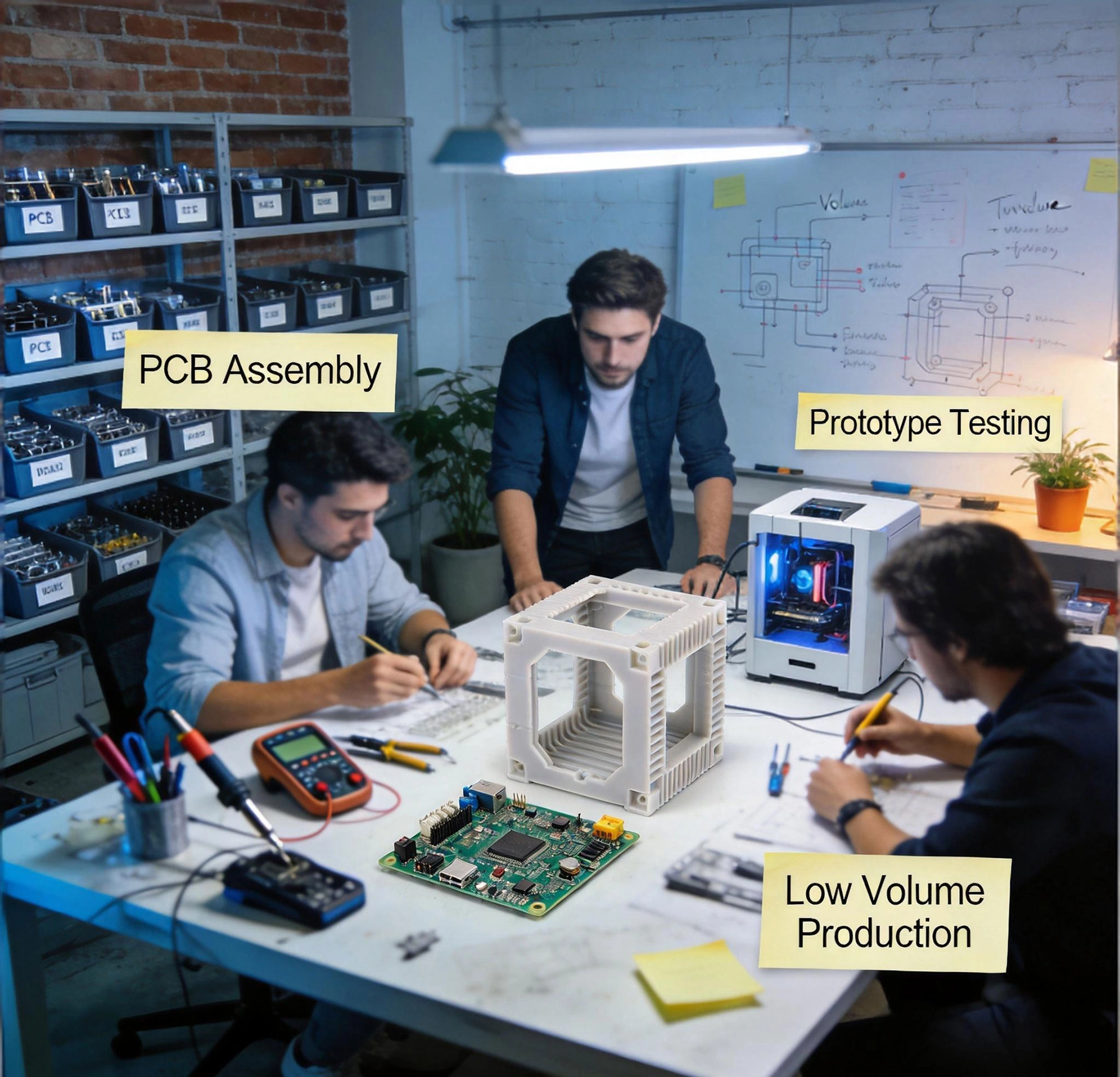
For hardware startups, bringing electronic products from concept to market represents one of the most demanding challenges in entrepreneurship. Unlike software ventures that can iterate quickly with minimal upfront investment, hardware startups face substantial manufacturing barriers that can drain limited resources, extend development timelines, and introduce risks that threaten entire ventures. The traditional manufacturing model—designed for large-volume production—creates friction that few startups can absorb.
Between the prototype stage and mass production lies a critical gap that has claimed countless promising hardware startups. Building 100 units feels too expensive to justify, yet jumping directly to 10,000 units feels impossibly risky. This production "valley of death" has driven entrepreneurs toward compromises that compromise product quality, delay market entry, or exhaust precious capital before revenue begins flowing.
Low volume Turnkey Pcba (Printed Circuit Board Assembly) emerges as the solution addressing these unique startup challenges. By combining small-batch manufacturing flexibility with comprehensive service integration, Turnkey Pcba enables startups to navigate the journey from prototype to market without the constraints that traditional manufacturing imposes. Understanding why this approach aligns perfectly with startup needs helps founders and product teams make informed manufacturing decisions.

Startups operate under capital constraints that demand manufacturing approaches optimized for efficiency. Every dollar spent on inventory, tooling, or minimum order quantities represents capital diverted from product development, marketing, or runway extension. Traditional manufacturing models assume abundant capital, creating misalignment with startup realities.
Capital pressure points:
Low volume turnkey PCBA addresses these pressures through flexible quantity options, reduced setup burden, and integrated services that minimize total capital required for initial production runs.
In competitive markets, time-to-market often determines startup success more than product perfection. First-mover advantages, funding round timing, and competitive pressures create urgency that traditional manufacturing timelines cannot accommodate. Startups cannot afford six-month production cycles while competitors ship iteratively.
Speed pressure factors:
Lean startup methodology treats uncertainty as a given, not an obstacle. Hardware Development, however, traditionally assumes certainty that startups rarely possess. This fundamental mismatch creates risks when manufacturing models designed for predictable demand meet volatile startup realities.
Uncertainty dimensions:
Manufacturing approaches must accommodate uncertainty rather than assuming stable, predictable conditions. Low volume turnkey PCBA provides flexibility that traditional manufacturing lacks.
Low volume turnkey PCBA delivers comprehensive manufacturing services optimized for startup quantities—typically ranging from 5 to 500 units. This approach integrates previously fragmented services into unified delivery, reducing startup coordination burden while providing manufacturing capability aligned with actual needs.
Integrated service elements:
Unlike traditional manufacturers enforcing minimum order quantities, low volume turnkey providers accommodate actual startup needs. This flexibility enables production quantities matching validated demand rather than forcing artificial volume commitments.
Quantity range examples:
The "turnkey" aspect proves particularly valuable for startups lacking manufacturing expertise or personnel. Rather than coordinating multiple vendors—fabrication house, assembly service, component suppliers, testing facilities—startups engage single providers handling complete production.
Integration benefits:
Hardware Development inherently involves substantial risk—market risk, technical risk, and execution risk combine to threaten even well-funded ventures. Manufacturing approaches that amplify these risks deserve scrutiny. Low volume turnkey PCBA actively reduces startup-specific risks that traditional manufacturing amplifies.
Risk mitigation mechanisms:
When market feedback reveals need for product changes, startups with low volume production capability adapt quickly. Unlike competitors committed to large inventories of now-obsolete products, adaptable startups iterate toward market fit.
Every dollar spent inefficiently represents runway consumed without corresponding value creation. Low volume turnkey PCBA optimizes capital efficiency across multiple dimensions, extending runway while maintaining production capability.
Capital efficiency gains:
For seed-stage startups with $500K-$2M in funding, manufacturing efficiency directly affects runway extension. Efficient manufacturing can add months of runway that enable reaching milestones justifying subsequent funding.
Speed matters disproportionately for startups. Not only does faster shipping enable earlier revenue, but it accelerates learning, strengthens competitive positioning, and builds momentum that attracts talent, customers, and investors.
Speed advantages:
While traditional manufacturers quote 8-12 week lead times, low volume turnkey providers often deliver within 2-4 weeks. This 3-4x speed advantage translates directly to competitive leverage when markets reward first movers.
The lean startup approach treats shipped products as learning vehicles, not just revenue sources. Early shipments generate feedback that refines products toward market fit. Manufacturing approaches enabling faster shipping accelerate this learning cycle.
Learning acceleration benefits:
Electronics Manufacturing expertise develops over years of practice. Startups rarely possess this expertise internally, yet manufacturing success requires it. Turnkey providers supply manufacturing expertise that startups cannot afford to develop independently.
Expertise access dimensions:
The lean startup methodology centers on rapid iteration through Build-Measure-Learn cycles. Manufacturing approaches supporting fast cycles accelerate learning, while manufacturing approaches imposing long delays throttle the entire feedback loop.
Lean cycle acceleration:
With traditional manufacturing imposing 3-4 month cycles, startups complete perhaps two Build-Measure-Learn cycles annually. Low volume turnkey enabling 4-6 week cycles supports 8-10 annual cycles—a 4-5x learning acceleration with profound competitive implications.
Lean startups treat assumptions as hypotheses requiring validation. Manufacturing approaches that force large upfront commitments before validation amplify the cost of incorrect assumptions. Low volume production validates demand at minimal scale before commitment.
Validation approach benefits:
Startups track progress through innovation accounting—measuring actionable metrics that indicate progress toward business objectives. Manufacturing approaches affecting these metrics deserve metric-alignment consideration.
Innovation accounting compatibility:
While per-unit costs for low volume production exceed high-volume alternatives, total economic analysis reveals different conclusions when accounting for inventory risk, capital efficiency, and learning acceleration.
Unit cost considerations:
Consider a startup producing 200 units at $25/unit versus 2000 units at $12/unit. Apparent $13,000 savings ignores $21,600 capital required for larger order, inventory risk if demand validates at only 200 units, and 3-month delay in market feedback. True economic comparison requires total cost analysis.
Traditional manufacturing imposes costs that low volume turnkey eliminates or reduces. Beyond obvious line-item expenses, these hidden costs significantly affect startup economics.
Hidden costs avoided:
Sophisticated procurement evaluates total cost of ownership rather than unit price alone. This perspective reveals low volume turnkey advantages invisible when comparing per-unit quotes.
TCO factors favoring low volume:
Low volume turnkey PCBA typically supports startup production from prototype validation through early market traction. This phase validates demand, refines products, and establishes market presence without the risks of large inventory commitment.
Typical startup production stages:
Once products achieve market validation, transitioning to higher-volume production becomes appropriate. Successful low volume turnkey partnerships often evolve naturally toward volume manufacturing.
Transition considerations:
Starting with low volume turnkey providers creates partnership foundations that benefit scaling. Providers who understand products, customers, and startup dynamics become valuable partners throughout growth trajectories.
Continuity advantages:
Not all low volume turnkey PCBA providers equally serve startup needs. Evaluation criteria should weight factors particularly relevant to startup success, not just manufacturing capability.
Startup-focused evaluation factors:
Certain provider characteristics signal misalignment with startup needs. Awareness of warning signs prevents partnership choices that constrain rather than enable growth.
Warning signs:
Targeted questioning reveals provider alignment with startup needs.
Initial production runs establish patterns that influence ongoing manufacturing success. Attention to first-engagement practices pays dividends throughout startup growth.
First production recommendations:
Successful manufacturing relationships require active management, even with turnkey providers handling execution complexity. Startups benefit from engagement practices that strengthen partnerships.
Relationship management practices:
Initial production decisions create foundations for ongoing manufacturing capability. Thoughtful early choices enable success that compounds throughout growth.
Long-term success foundations:
Many startups engage manufacturers only when production becomes urgent, missing opportunities for design optimization and relationship building. Earlier engagement enables better outcomes.
Engagement timing recommendations:
Rushed development often produces incomplete design packages that cause manufacturing problems. Thorough documentation enables smooth production.
Documentation essentials:
Startup pressure to ship sometimes compromises quality consideration. Finding appropriate quality-speed balance prevents problems that ultimately delay rather than accelerate.
Quality considerations:
Low volume turnkey PCBA addresses the fundamental mismatch between traditional manufacturing assumptions and startup realities. Where large-scale production models assume abundant capital, stable demand, and lengthy development cycles, startups operate with constraints that demand fundamentally different approaches.
The alignment between low volume turnkey PCBA and lean startup methodology proves particularly powerful. Rapid Build-Measure-Learn cycles accelerate learning, validated learning at minimal scale reduces risk, and capital efficiency extends runway. These advantages compound when startups select partners who understand and support lean methodologies.
Manufacturing decisions made during formative startup stages create foundations for growth trajectories. Thoughtful selection of manufacturing partners, attention to relationship building, and appropriate engagement timing position startups for success that continues as companies scale toward volume production and market leadership.
The Hardware Startup journey remains challenging, but manufacturing approaches exist that support rather than constrain growth. Low volume turnkey PCBA represents one such approach—flexible enough to accommodate uncertainty, efficient enough to preserve capital, and integrated enough to reduce coordination burden. For startups navigating the path from concept to market, this manufacturing approach deserves serious consideration as a strategic enabler of success.
Quality low volume turnkey providers typically support orders starting at 5-25 units without punitive pricing. Some offer single-unit prototyping with per-unit pricing premiums. True low volume providers distinguish themselves through flexible quantity accommodation rather than imposing traditional MOQs.
Per-unit pricing for low volume production typically runs 20-50% higher than high-volume equivalents. However, total cost analysis considering inventory risk, capital efficiency, and learning acceleration often favors low volume approaches for startups. Consider total cost, not just unit price, when evaluating manufacturing options.
Engage during the design phase, not just when production becomes urgent. Early provider involvement enables design for manufacturability feedback, component selection guidance, and timeline planning. Waiting until production readiness misses opportunities for optimization and relationship building.
Reputable providers maintain relationships with major distributors and component manufacturers, enabling procurement at quantities smaller than typical distributor minimums. Established supply chain relationships benefit small orders that would face procurement challenges through other channels.
Lead times typically range from 2-4 weeks for standard low volume orders, compared to 8-12 weeks for traditional manufacturing. Actual timelines depend on component availability, design complexity, and testing requirements. Component procurement often represents the longest timeline factor.
Successful transitions typically occur when demand validates at scale sufficient to justify volume commitment. Established provider relationships often scale naturally as startups grow. Design stabilization, component qualification, and certification completion typically precede volume transition decisions.
Quality should match or exceed traditional manufacturing standards. Low volume production doesn't imply compromised quality—reputable providers apply identical quality systems regardless of order volume. Ask about quality metrics (first-pass yield, defect rates) and certifications when evaluating providers.
Cost Reduction Techniques for High Volume Turnkey PCBA OrdersAugust/03/2026
Overcoming the High Cost Challenges of Low Volume Turnkey PCBAJune/11/2026
How to Find Manufacturers Specializing in Low Volume Turnkey PCBAJuly/31/2026
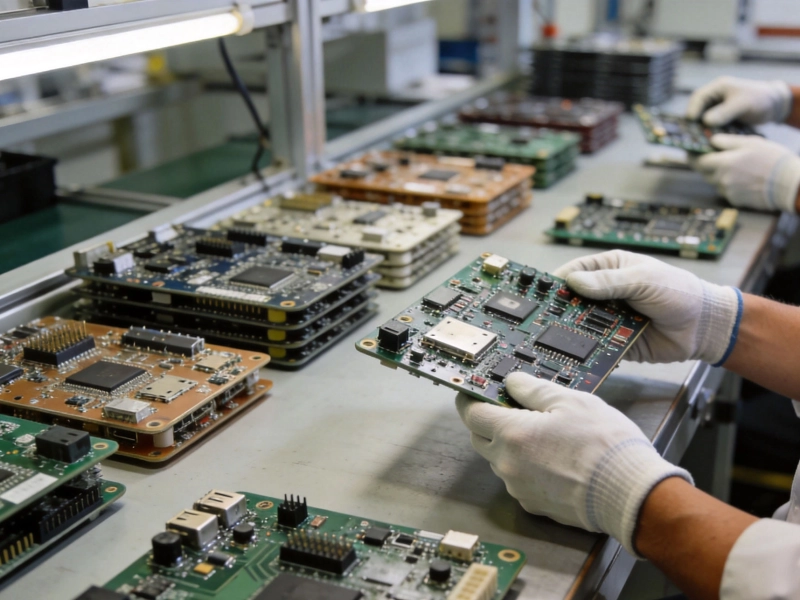
Low Volume Turnkey PCBA: Flexibility for Niche and Specialized MarketsJuly/09/2026
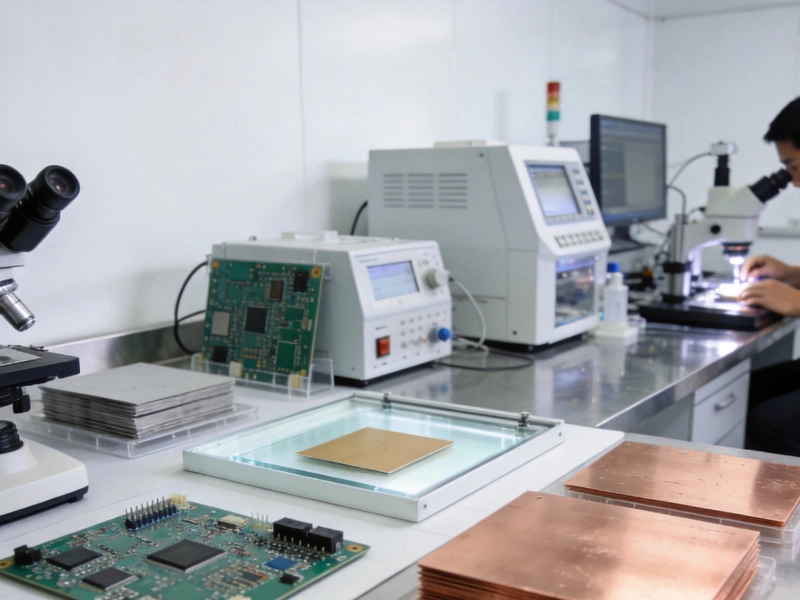
How to Verify Material Quality in Turnkey PCB ManufacturingJuly/30/2026
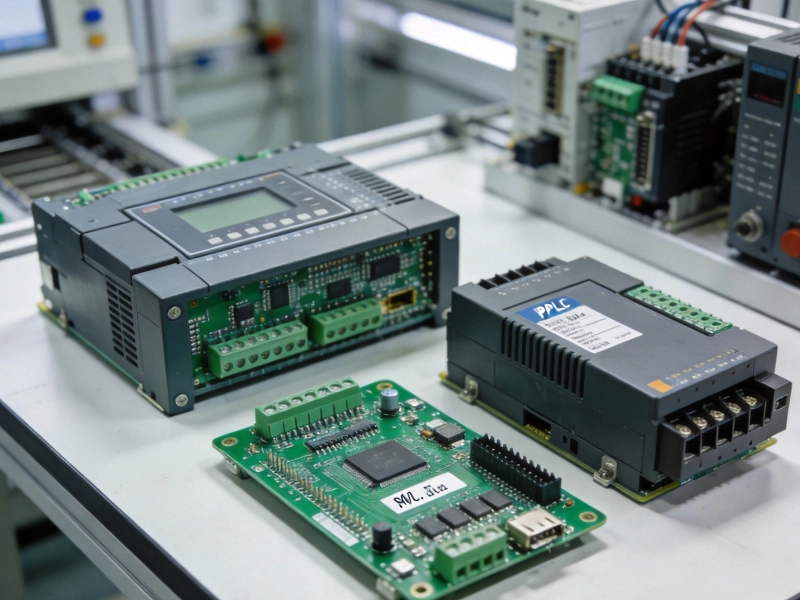
Turnkey PCB Assembly for PLCs and Motor Control DrivesAugust/11/2026
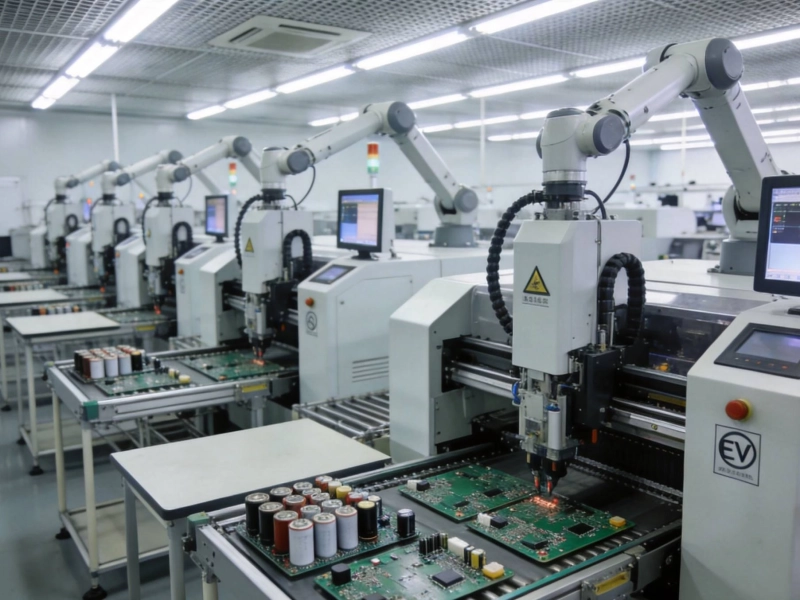
Best Turnkey PCB Assembly for Automotive & EV Systems: Meeting IATF 16949June/18/2026
Best Turnkey PCB Assembly for Medical & Healthcare Devices: ISO 13485 ComplianceJune/29/2026