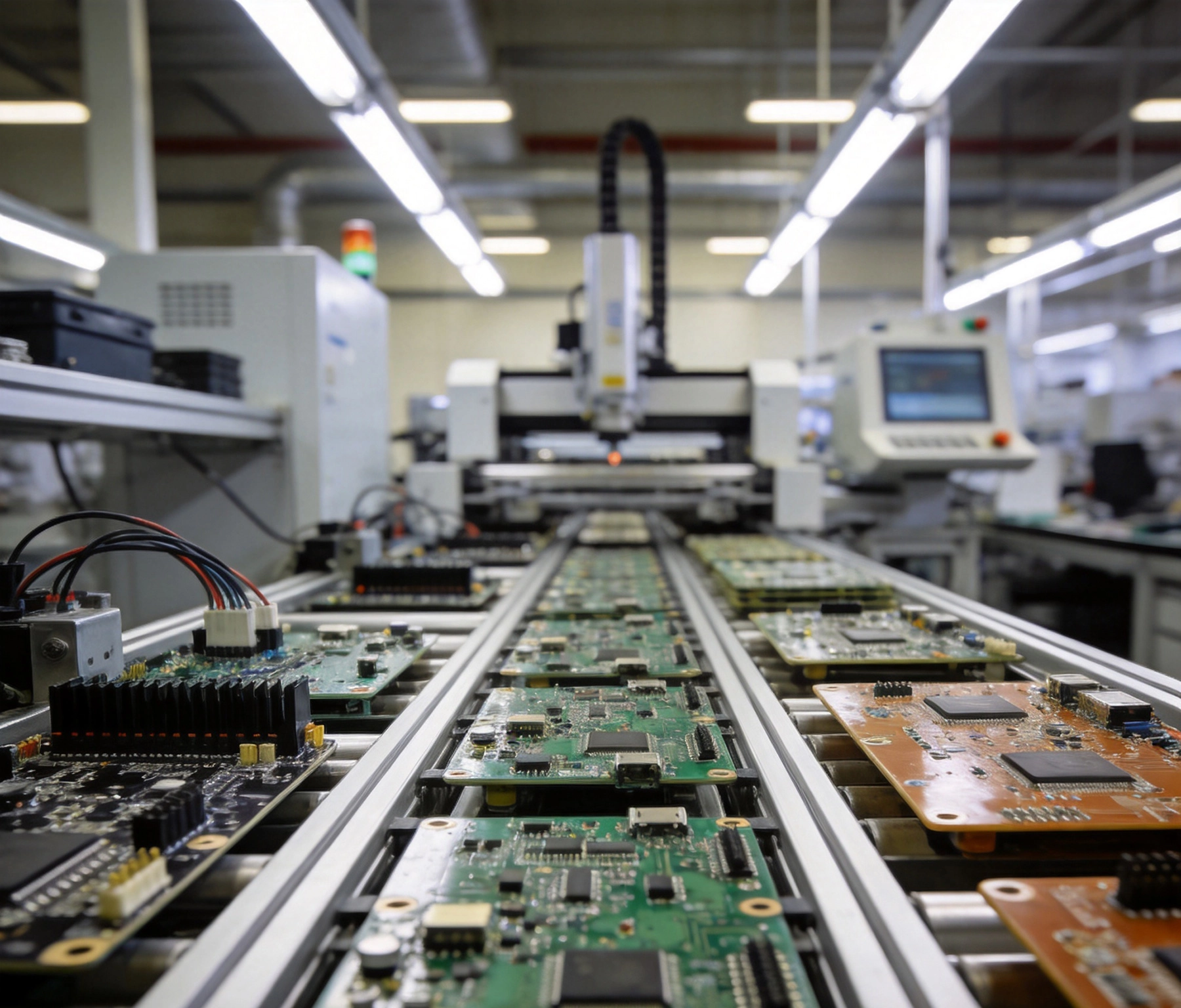
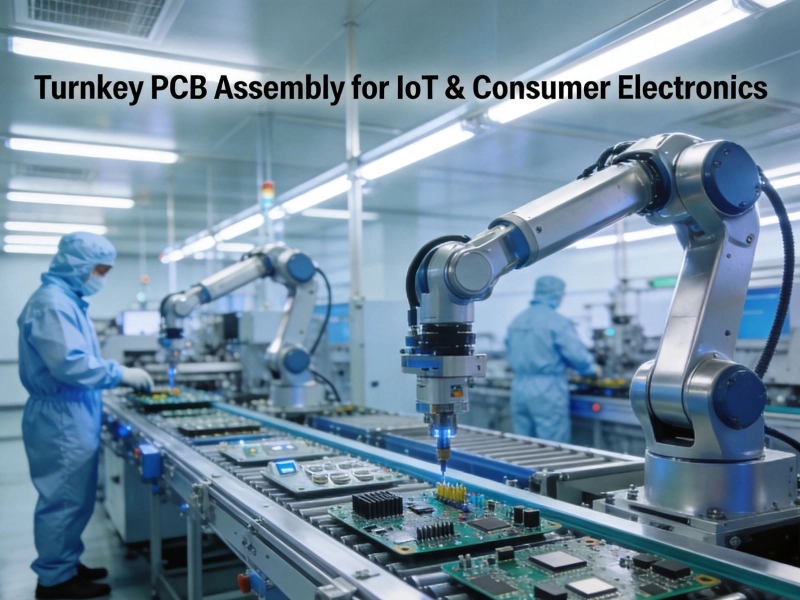
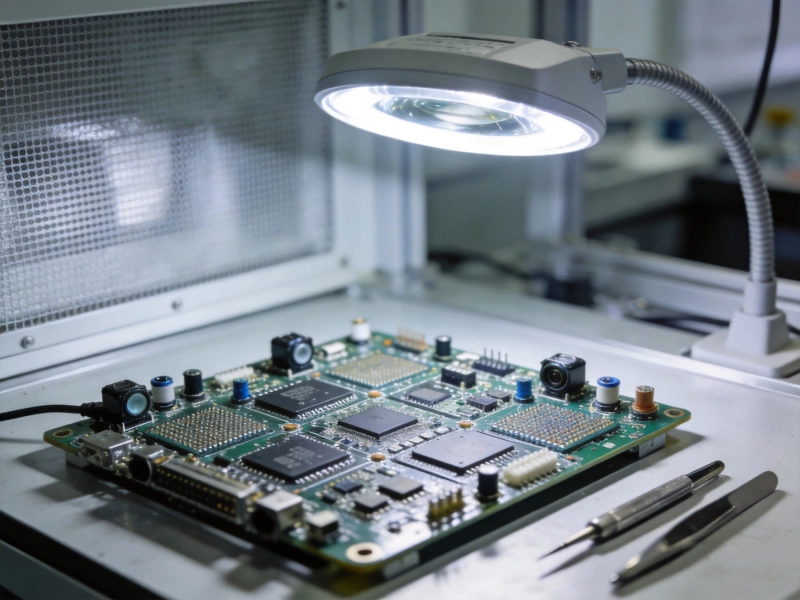
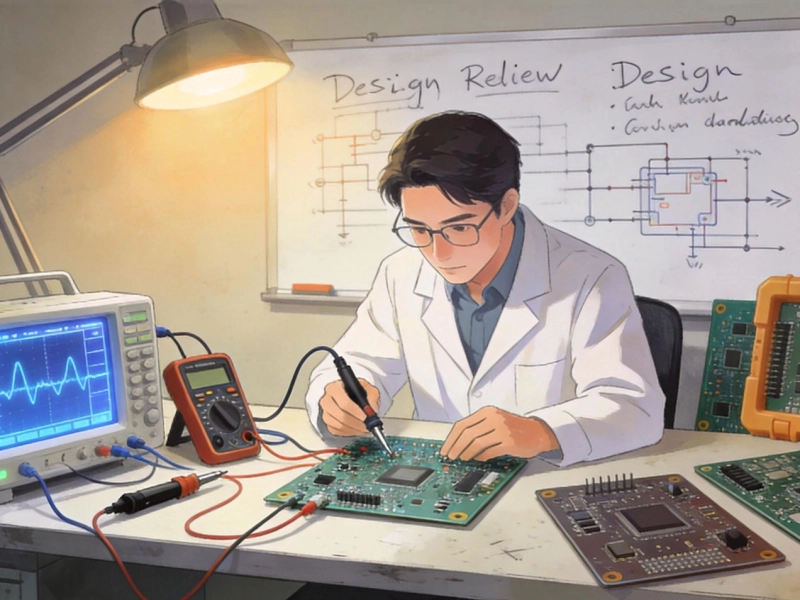
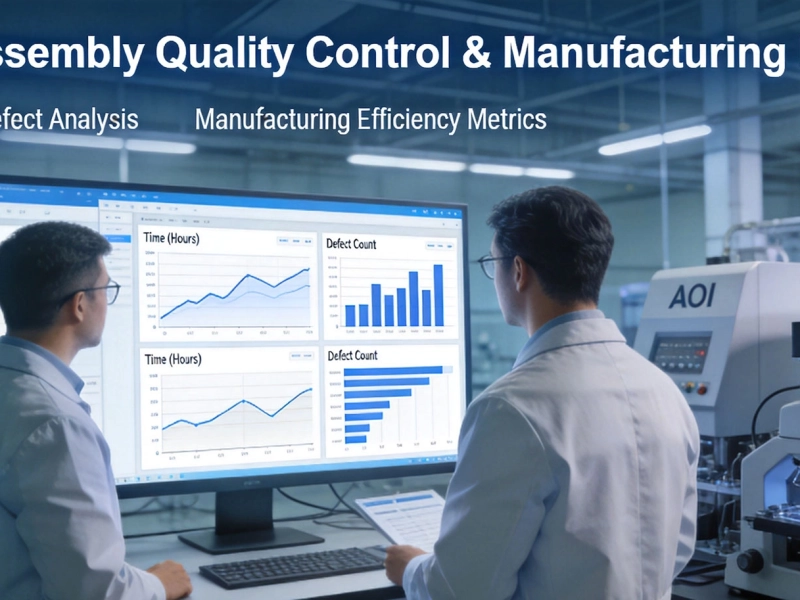
Startups and small-to-medium enterprises (SMEs) face unique challenges when bringing electronic products to market. Limited capital, small initial volumes, and the need for rapid iteration make traditional manufacturing partnerships difficult. Building an in-house assembly capability is rarely feasible—expensive equipment, Supply Chain complexity, and specialized expertise requirements create barriers that can delay product launches by months or even years.
Turnkey PCB Assembly offers a compelling solution. By outsourcing the entire manufacturing process—from Component Sourcing to final testing—startups and SMEs can focus on their core strengths: product innovation, market development, and customer relationships. This comprehensive guide explores how to leverage Turnkey Assembly services effectively, what to look for in a manufacturing partner, and strategies for scaling from your first prototype to high-volume production.
Why Turnkey Assembly Makes Sense for Startups
The Capital Efficiency Advantage
For startups operating with limited funding, capital efficiency is paramount. Consider what building in-house manufacturing capabilities would require:
-
Equipment investment – Pick-and-place machines, reflow ovens, inspection systems ($500K-$2M+)
-
Facility costs – Clean room environment, ESD protection, climate control
-
Inventory investment – Component stock, minimum order quantities, safety stock
-
Personnel costs – Skilled technicians, quality engineers, Supply Chain managers
-
Certification expenses – ISO quality systems, industry-specific certifications
Turnkey Assembly converts these fixed costs into variable costs that scale with production volume. Instead of investing millions in manufacturing infrastructure, startups pay only for the boards they need, preserving precious capital for product development and market expansion.
Speed to Market
In competitive markets, being first—or at least fast—matters enormously. Turnkey providers offer established capabilities that can be engaged immediately:
-
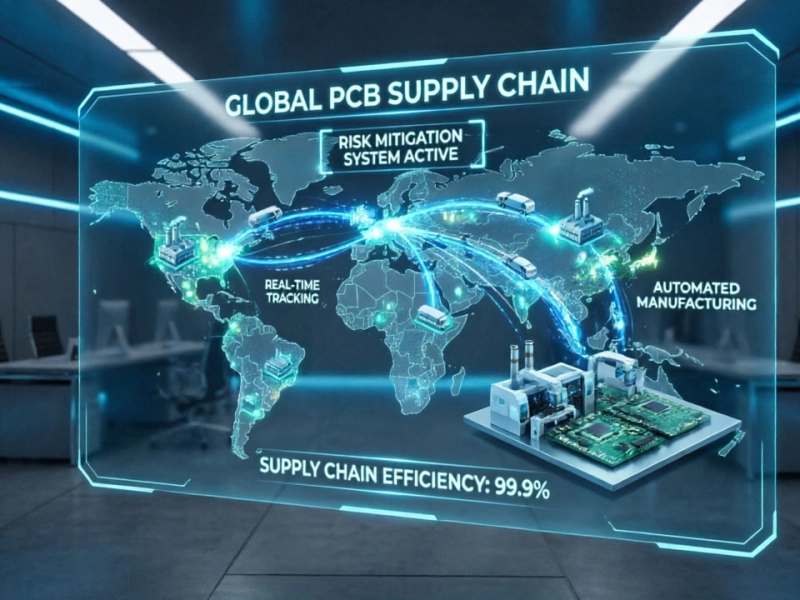
Existing supply chains – Pre-qualified component suppliers and Volume Pricing
-
Proven processes – Manufacturing procedures refined over thousands of products
-
Immediate capacity – No lead time for equipment procurement or facility setup
-
Experienced teams – Skilled personnel ready to execute your design
What might take 12-18 months to build internally can be operational in weeks with the right turnkey partner.
Risk Mitigation
Startups face enough uncertainty without adding manufacturing risk. Turnkey providers absorb multiple categories of risk:
-
Component obsolescence – Managing end-of-life transitions and last-time buys
-
Quality failures – Responsibility for defects and rework costs
-
Capacity constraints – Scaling production without capital investment
-
Technology obsolescence – Continuous equipment upgrades remain the provider's concern
Key Considerations for Startup-Friendly Turnkey Services
Low Minimum Order Quantities
Perhaps the most critical factor for startups is the ability to order small quantities economically. Many traditional contract manufacturers focus on high-volume production with minimum order quantities (MOQs) in the thousands. Startup-friendly providers offer:
-
Prototype quantities – 5-50 units for initial validation
-
Pilot production – 100-500 units for market testing
-
Flexible scaling – Smooth transition from tens to thousands of units
-
No long-term commitments – Order what you need when you need it
Be wary of providers who quote attractive per-unit prices but require volume commitments that exceed your current needs.
Design for Manufacturing (DFM) Support
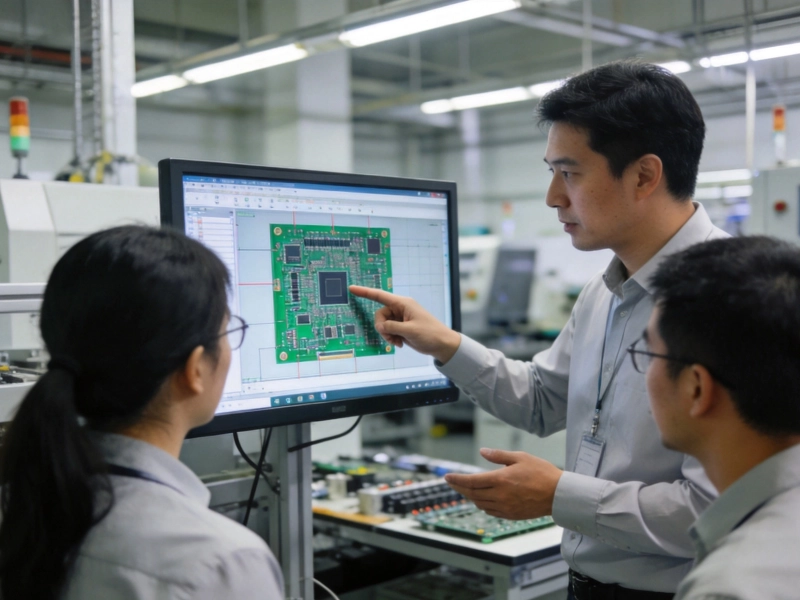
Startups often lack extensive manufacturing expertise. A valuable turnkey partner provides:
-
Pre-production reviews – Analysis of your design for manufacturability
-
Cost optimization suggestions – Identifying opportunities to reduce BOM or assembly costs
-
Component alternatives – Recommending equivalent parts with better availability or pricing
-
Test strategy consultation – Developing appropriate quality verification for your product
This guidance prevents costly mistakes and helps startups develop products that are both innovative and manufacturable.
Transparent Pricing
Understanding true costs is essential for startup financial planning. Look for providers who offer:
-
Clear quoting processes – Itemized breakdown of assembly, components, and NRE costs
-
No hidden fees – All costs disclosed upfront, including tooling, programming, and testing
-
Volume Pricing tiers – Predictable cost reduction as volumes increase
-
Engineering support pricing – Clear rates for design assistance or troubleshooting
Avoid providers who seem vague about costs or introduce unexpected charges after you've committed.
Rapid Prototyping Capabilities
The ability to iterate quickly is crucial for product development. Evaluate providers on:
-
Standard lead times – Typical turnaround for small prototype batches
-
Expedited options – Availability of rush service when timing is critical
-
Design change responsiveness – How quickly they can accommodate revisions
-
First-article approval process – Efficient validation before full production
Some providers specialize in quick-turn prototyping with 24-72 hour turnaround, though this typically comes at a premium price.
Evaluating Turnkey PCB Assembly Partners
Technical Capabilities Assessment
Ensure potential partners can handle your specific technical requirements:
-
Component handling – Minimum package sizes (0201, 01005), BGA capabilities, fine-pitch QFN
-
Board specifications – Maximum layer count, minimum trace/space, controlled impedance
-
Special processes – Via-in-pad, blind/buried vias, heavy copper, flex/rigid-flex
-
Testing capabilities – AOI, X-ray, ICT, functional testing, burn-in
-
Quality certifications – ISO 9001, Ipc Standards compliance, industry-specific certifications
Request capability statements and, if possible, facility tours to verify claims.
Communication and Responsiveness
For startups working through design challenges, communication quality matters enormously:
-
Dedicated account management – A single point of contact who understands your project
-
Technical accessibility – Ability to speak directly with engineers when needed
-
Response times – Prompt replies to questions and concerns
-
Language capabilities – Clear communication in your preferred language
-
Time zone overlap – Sufficient working hours overlap for real-time communication
Poor communication causes delays and frustration; prioritize providers who demonstrate responsiveness during the evaluation phase.
Financial Stability and Business Model
A manufacturing partner's business health affects your supply chain security:
-
Company longevity – Established providers with track records of stability
-
Customer diversification – Not overly dependent on a single large customer
-
Growth trajectory – Investing in capacity and capabilities expansion
-
Startup experience – Understanding of small company needs and workflows
Ask for customer references, particularly from other startups or companies in similar growth stages.
Geographic Considerations: Domestic vs. Overseas Manufacturing
China Manufacturing Advantages
Chinese contract manufacturers offer compelling benefits for startups:
-
Cost efficiency – Lower labor and overhead costs translate to competitive pricing
-
Supply chain proximity – Direct access to the world's largest component markets
-
Scale flexibility – Enormous capacity range from prototypes to Mass Production
-
Technology access – Advanced capabilities and continuous equipment investment
-
Component Sourcing – Better availability and pricing on many electronic components
Many successful hardware startups manufacture exclusively in China throughout their growth trajectory.
Domestic Manufacturing Benefits
Domestic or nearshore manufacturing offers different advantages:
-
Reduced shipping times – Days instead of weeks for product delivery
-
Easier communication – Same time zones, language, and cultural context
-
IP protection confidence – Perceived or actual security benefits for sensitive designs
-
Regulatory compliance – Simplified navigation of domestic certification requirements
-
Tariff avoidance – No import duties for domestic consumption
Some startups use domestic manufacturing for initial prototypes and early production, transitioning to Overseas Manufacturing as volumes justify the logistical complexity.
Hybrid Approaches
Many startups adopt strategies combining multiple manufacturing sources:
-
Domestic prototypes, overseas production – Fast iteration locally, cost optimization at scale
-
Dual sourcing – Multiple qualified suppliers for Supply Chain Resilience
-
Regional manufacturing – Different suppliers for different geographic markets
-
Strategic component stock – Domestic inventory of critical components with overseas assembly
Managing the Turnkey Relationship
Intellectual Property Protection
Protecting your designs is a legitimate concern when working with contract manufacturers:
-
Non-disclosure agreements – Comprehensive NDAs before sharing design details
-
Selective disclosure – Sharing only information necessary for manufacturing
-
Segmentation strategies – Splitting manufacturing across multiple suppliers for sensitive products
-
Background checks – Verifying supplier reputation and IP protection practices
-
Patent filings – Securing intellectual property rights before manufacturing engagement
Reputable turnkey providers understand that IP protection is essential to maintaining customer relationships and have established practices to safeguard your designs.
Quality Management
Establishing quality expectations prevents disputes and ensures product reliability:
-
Clear acceptance criteria – Defining pass/fail standards in advance
-
First article inspection – Detailed review of initial production units
-
Statistical process control – Monitoring production consistency
-
Defect reporting and analysis – Structured process for addressing quality issues
-
Traceability requirements – Component lot tracking for failure analysis
Document these requirements in your manufacturing agreement to ensure mutual understanding.
Scaling from Prototype to Production
A key advantage of turnkey partnerships is the ability to scale seamlessly:
-
Design validation phase – 5-25 units for engineering verification
-
Pilot production – 50-250 units for beta testing and Market Validation
-
Initial production – 500-2,000 units for early commercial sales
-
Growth phase – 5,000-50,000 units as market adoption accelerates
-
Volume production – 100,000+ units at mature product stage
The right turnkey partner supports this entire journey without requiring you to change suppliers as you grow.
Cost Optimization Strategies
Design for Cost-Effective Assembly
Smart design decisions significantly impact manufacturing costs:
-
Component standardization – Using common package types and values
-
Single-sided assembly – Avoiding double-sided placement when possible
-
Standard PCB sizes – Fitting within common panelization dimensions
-
Test point accessibility – Enabling efficient testing without complex fixtures
-
Assembly-friendly layouts – Adequate component spacing for automated placement
Your turnkey partner can provide specific Dfm guidance tailored to their equipment and processes.
BOM Cost Reduction
Component costs typically represent 60-80% of total Pcb Assembly cost:
-
Alternative sourcing – Equivalent components from multiple suppliers
-
Volume aggregation – Combining your demand with the manufacturer's other customers
-
Design optimization – Reducing component count or using lower-cost alternatives
-
Consignment options – Supplying high-value components yourself when advantageous
Testing Trade-offs
Testing represents a significant portion of assembly cost. Balance thoroughness with economics:
-
Risk-based testing – Comprehensive testing for complex designs, sampling for simpler products
-
Functional test development – Investing in test fixtures when volumes justify
-
Statistical sampling – Testing subset of production for high-volume, mature designs
-
Customer feedback integration – Adjusting testing based on field failure data
Common Pitfalls and How to Avoid Them
Unrealistic Expectations
Startups sometimes underestimate manufacturing complexity:
-
Quality takes time – Rushing production often causes expensive mistakes
-
Iteration is normal – First production runs typically reveal improvement opportunities
-
Scale affects everything – Processes that work for prototypes may fail at volume
-
Testing is essential – Skipping quality steps to save money usually costs more long-term
Poor Documentation
Manufacturing requires precise, complete information:
-
Comprehensive BOMs – Complete bill of materials with manufacturer part numbers
-
Approved vendor lists – Specifying acceptable alternatives for each component
-
Assembly drawings – Clear documentation of special assembly requirements
-
Test specifications – Detailed criteria for functional validation
-
Change management – Controlled process for design revisions
Communication Breakdowns
Manufacturing errors often stem from misunderstandings:
-
Assumptions are dangerous – Never assume the manufacturer understands unstated requirements
-
Document everything – Written confirmation of verbal agreements
-
Regular check-ins – Scheduled communication prevents surprises
-
Escalation paths – Clear process for resolving issues when they arise
Success Metrics and Continuous Improvement
Key Performance Indicators
Track metrics that matter for your business:
-
Quality metrics – First-pass yield, defect rates, field failure rates
-
Delivery performance – On-time delivery percentage, lead time consistency
-
Cost trends – Per-unit cost reduction as volumes increase
-
Responsiveness – Quote turnaround, issue resolution time
-
Innovation contribution – Suggestions for improvement from your partner
Building Strategic Partnerships
The best turnkey relationships evolve into strategic partnerships:
-
Long-term planning – Sharing roadmap information for capacity planning
-
Joint improvement initiatives – Collaborating on cost reduction and quality enhancement
-
Technology sharing – Early access to new capabilities and processes
-
Preferential treatment – Priority scheduling and resource allocation
Conclusion
For startups and SMEs, Turnkey PCB Assembly represents more than an outsourcing convenience—it's a strategic enabler that transforms manufacturing from a capital-intensive barrier into a flexible, scalable service. By partnering with the right turnkey provider, resource-constrained companies can access world-class manufacturing capabilities while maintaining focus on their core competencies.
Success requires careful partner selection, clear communication, and realistic expectations about the manufacturing process. The investment in finding and cultivating the right manufacturing relationship pays dividends throughout your product lifecycle, from first prototype through high-volume production.
As the Hardware Startup ecosystem continues maturing, Turnkey Assembly Services are evolving to better serve emerging companies' needs. Providers who understand startup workflows, offer flexible terms, and provide genuine partnership value are helping a new generation of hardware companies bring innovative products to market faster and more efficiently than ever before.
Turnkey PCB Assembly for Your Startup
We specialize in helping startups and SMEs navigate from Prototype To Production. With low MOQs, Fast Turnaround times, and genuine partnership commitment, we provide the manufacturing foundation your hardware company needs to grow. Contact us to discuss your project requirements.
Frequently Asked Questions
What is the minimum order quantity for turnkey PCB assembly?
Startup-friendly providers often accept orders as small as 5-10 units for prototypes, with economical pricing starting around 50-100 units. Be wary of providers requiring thousands of units unless you're truly at that production stage.
How much does turnkey PCB assembly cost for small volumes?
Prototype quantities (5-25 units) typically cost $50-200 per board depending on complexity, with significant price reductions as volumes increase to hundreds or thousands. Setup fees (NRE) range from $200-1,000 for programming and preparation.
How do I protect my intellectual property with overseas manufacturers?
Use comprehensive NDAs, work with established providers with good reputations, consider segmenting manufacturing across suppliers for sensitive products, and file patents before engaging manufacturers. Many startups successfully manufacture in China while protecting their IP.
What documentation do I need to provide for turnkey assembly?
You'll need Gerber Files, drill files, pick-and-place data, a complete BOM with manufacturer part numbers, assembly drawings, and test requirements. Your provider should supply a detailed checklist of required documentation.
How long does turnkey PCB assembly take?
Standard lead times range from 2-4 weeks including component procurement. Quick-turn services can deliver in 5-10 days at premium pricing. First orders typically take longer as processes are established; repeat orders are faster.