Open Nav

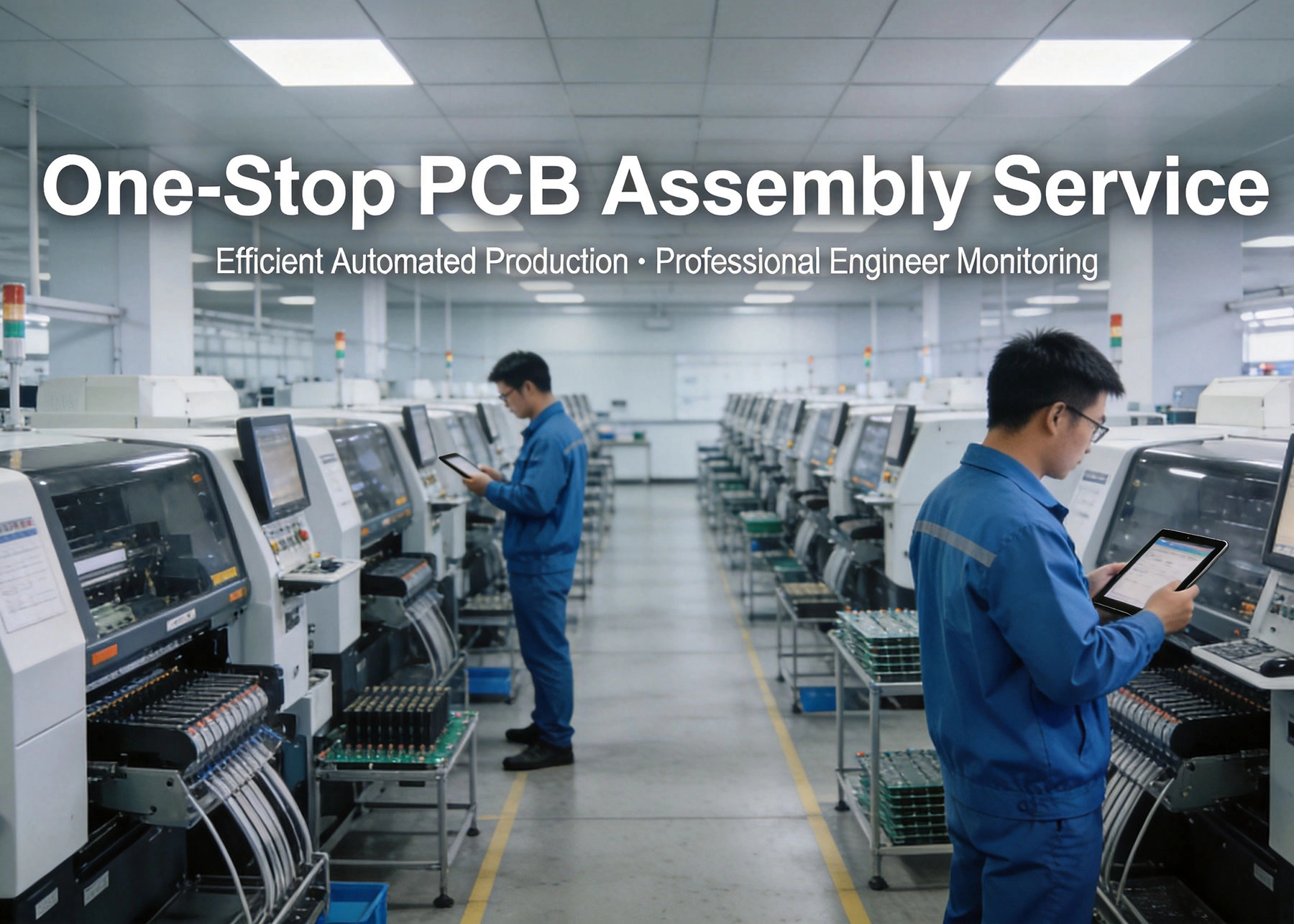
In the fast-paced world of Electronics Manufacturing, companies face constant pressure to deliver products faster, cheaper, and with higher quality than ever before. Managing multiple suppliers for different stages of Pcb Assembly—fabrication, component procurement, assembly, and testing—creates complexity, communication overhead, and increased risk of delays and errors. This is where one-stop Pcb Assembly services offer a compelling solution.
One-stop services consolidate all aspects of PCB production under a single partner, from bare board fabrication through Component Sourcing, assembly, testing, and even final packaging. This integrated approach can dramatically simplify your Supply Chain, but achieving the optimal balance of cost, quality, and speed requires understanding how these services work and what to look for in a partner.
This comprehensive guide explores the trade-offs involved in balancing cost, quality, and speed, and provides strategies for maximizing the value of one-stop Pcb Assembly Services for your projects.
Before exploring the balance between cost, quality, and speed, it's essential to understand what one-stop Pcb Assembly Services actually encompass and how they differ from traditional fragmented supply chains.
A one-stop PCB Assembly Service provides comprehensive capabilities that cover the entire production lifecycle:
Instead of coordinating with separate vendors for each step, you work with a single point of contact who manages the entire process internally.
Traditional Supply Chain:
One-Stop Approach:
One-stop services can deliver meaningful cost advantages, but understanding where those savings originate helps you evaluate whether you're getting true value.
Every handoff in a traditional supply chain adds margin. The fabricator marks up the board, the distributor marks up components, the assembler adds margin, and the tester adds another layer. When a single provider handles all stages, margin is applied only once, reducing total cost without sacrificing provider profitability.
Managing multiple vendors involves significant overhead:
One-stop service dramatically reduces these administrative burdens, freeing internal resources for higher-value activities.
Established one-stop providers aggregate purchasing across many customers, enabling:
These advantages translate directly to lower costs for customers who might not achieve similar pricing independently.
While one-stop services offer real cost advantages, be aware of potential hidden costs:
Cost savings mean nothing if quality suffers. Understanding how one-stop providers maintain quality across integrated processes is crucial.
One-stop services enable quality management that spans the entire production process:
Quality depends on having robust, capable processes:
Comprehensive testing validates quality at multiple levels:
Quality systems should be validated through recognized certifications:
In product development, speed to market often determines competitive success. One-stop services can significantly accelerate timelines when properly structured.
Traditional multi-vendor supply chains introduce delays at each stage:
One-stop services eliminate these inter-facility delays, enabling faster flow from design to finished product.
With all processes in one facility, optimization opportunities emerge:
Understand the trade-offs between standard and expedited service:
Plan timelines to use standard lead times where possible, reserving expedited service for genuine emergencies.
One-stop services particularly shine when transitioning from Prototype To Production:
The ideal balance of cost, quality, and speed depends on your specific application, market, and business priorities. Understanding your priorities enables intelligent trade-offs.
Medical Devices:
Industrial Equipment:
Prototyping and Startups:
Rather than optimizing one dimension at the expense of others, consider strategies that improve multiple factors:
Not all one-stop services are created equal. Systematic evaluation ensures you find a partner who can deliver on the cost-quality-speed promise.
Verify that the provider actually offers the capabilities they claim:
Ensure the provider can meet your current and future needs:
A partner's long-term viability matters for supply chain security:
The quality of interaction matters for long-term success:
Once you've selected a one-stop partner, working effectively with them maximizes the benefits of the relationship.
Quality input produces quality output:
One-stop providers have broad experience across many customers and applications:
Define how you'll communicate and what to expect:
Long-term partnerships deliver greater value:
Even with one-stop services, certain mistakes can undermine the expected benefits.
The lowest-cost provider may not deliver the quality and service you need. Consider total value, not just quoted price. Hidden costs from quality failures or service lapses often exceed initial savings.
Incomplete documentation creates delays and misunderstandings. Provide complete information upfront to avoid rework and finger-pointing later.
Claims should be verified. Request samples, conduct audits, and check references before committing to significant orders.
A provider that handles your prototype needs may struggle with production volumes. Ensure your chosen partner can grow with you.
The quality of communication during the sales process often predicts ongoing relationship quality. If communication is poor before the sale, it likely won't improve afterward.
Finding the optimal balance of cost, quality, and speed in one-stop PCB assembly services is both an art and a science. The most successful outcomes come from understanding your own priorities, evaluating providers systematically, and building partnerships that deliver value over the long term.
One-stop services offer genuine advantages in all three dimensions—reduced costs through eliminated margin stacking and administrative overhead, improved quality through integrated process management and unified accountability, and faster delivery through eliminated handoff delays and optimized workflows. But these advantages only materialize when you select the right partner and work with them effectively.
Whether you're developing a new product, ramping to production, or optimizing an existing supply chain, one-stop PCB assembly services can simplify your operations while delivering the cost, quality, and speed your business requires. The key is approaching the relationship with clear requirements, realistic expectations, and a commitment to building a true partnership.
Take the time to evaluate potential partners thoroughly, communicate your needs clearly, and invest in the relationship. The returns—in reduced complexity, improved quality, faster Time To Market, and lower total costs—will compound over time, creating sustainable competitive advantage for your business.
One-stop service typically includes PCB fabrication, component procurement, SMT and through-hole assembly, testing (AOI, X-ray, functional), and often extends to box-build assembly, programming, and final packaging. The specific scope varies by provider—always clarify exactly what is included in quotes to avoid surprises.
Savings typically range from 15-30% compared to fragmented supply chains, depending on complexity and volume. However, actual savings depend on many factors including component costs, order quantities, and quality requirements. Request detailed quotes from both approaches to understand your specific situation.
Standard lead times typically range from 10-20 business days from order confirmation to shipment, depending on board complexity and component availability. Fast-track options of 5-7 days are often available for a premium. Complex assemblies or long-lead components may extend these timelines.
Request samples before production orders, ask for quality certifications (ISO 9001, Ipc Standards), conduct facility audits, and check customer references. During production, require comprehensive testing reports, certificates of conformance, and traceability documentation.
Many one-stop providers can serve both prototype and production needs, but capabilities vary. Prototype services typically emphasize flexibility and quick turnaround, while production services optimize for cost efficiency at scale. Confirm that your provider has proven experience at your target production volumes.
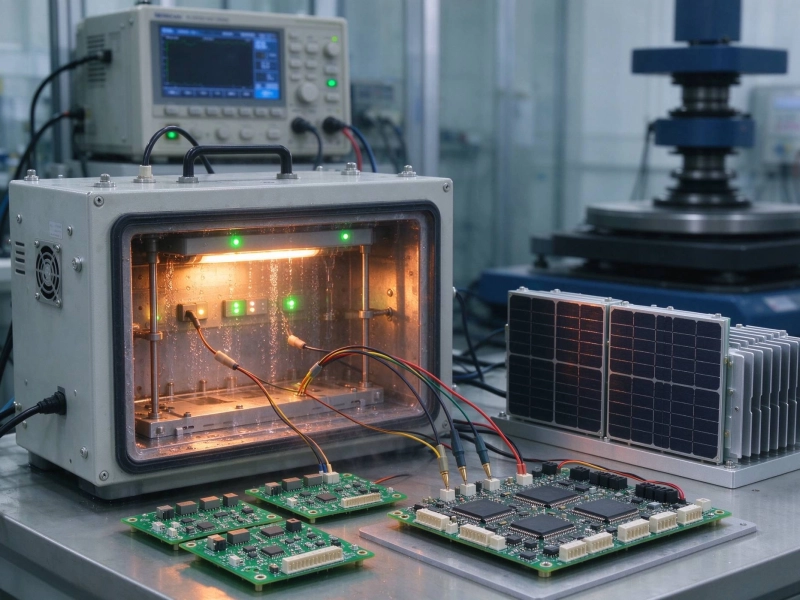
Reliability Standards for Turnkey PCB Assembly in Solar Energy SystemsOctober/16/2026
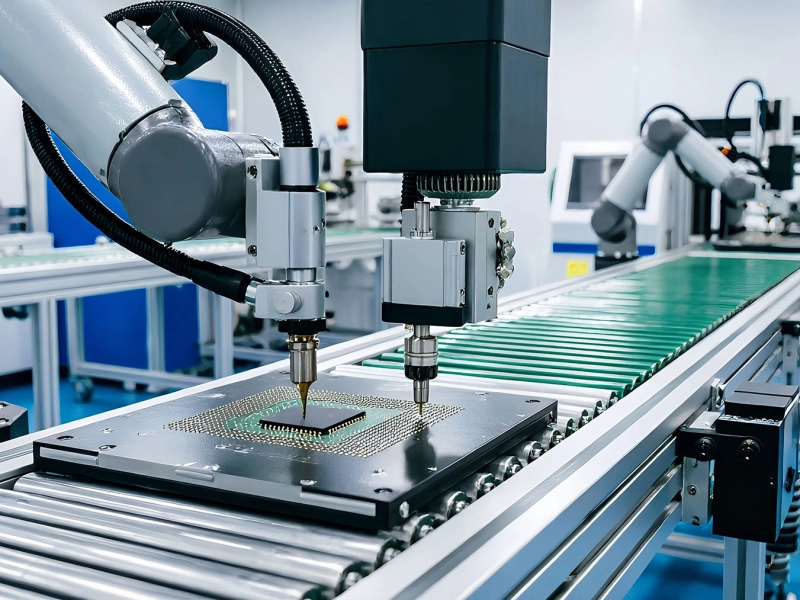
Turnkey SMT Assembly: Handling 01005 Components and Micro BGAsJune/08/2026

Best Turnkey PCB Assembly Services: Balancing Cost, Quality, and SpeedJuly/01/2026
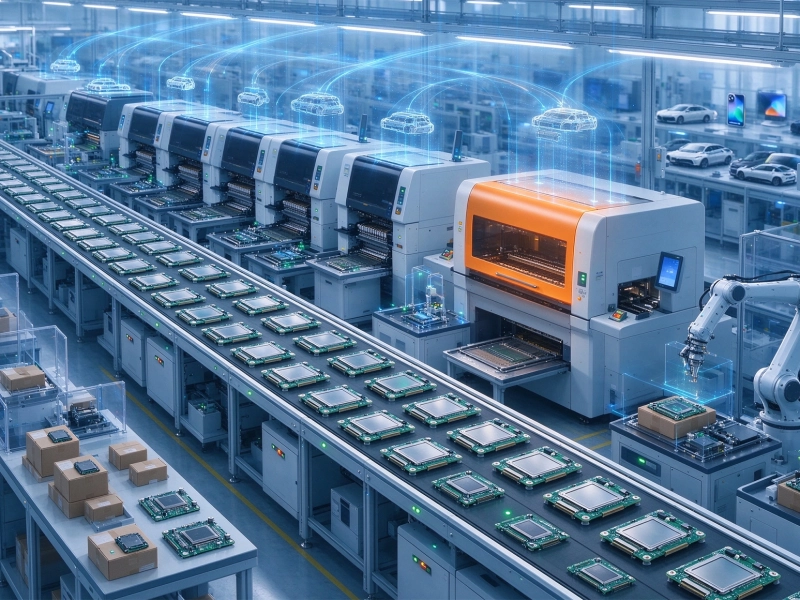
Best Turnkey PCB Assembly for High-Volume Consumer GadgetsOctober/15/2026
The Impact of Solder Paste Technology on Turnkey SMT Assembly YieldsJuly/29/2026
Advanced Turnkey SMT Assembly Techniques for High-Density InterconnectsMay/26/2026

Turnkey PCB Assembly Insights: 2026 Industry Trends and Market AnalysisMay/26/2026

Zero-Defect Strategies in Turnkey PCB Assembly for Safety-Critical Auto PartsOctober/19/2026