
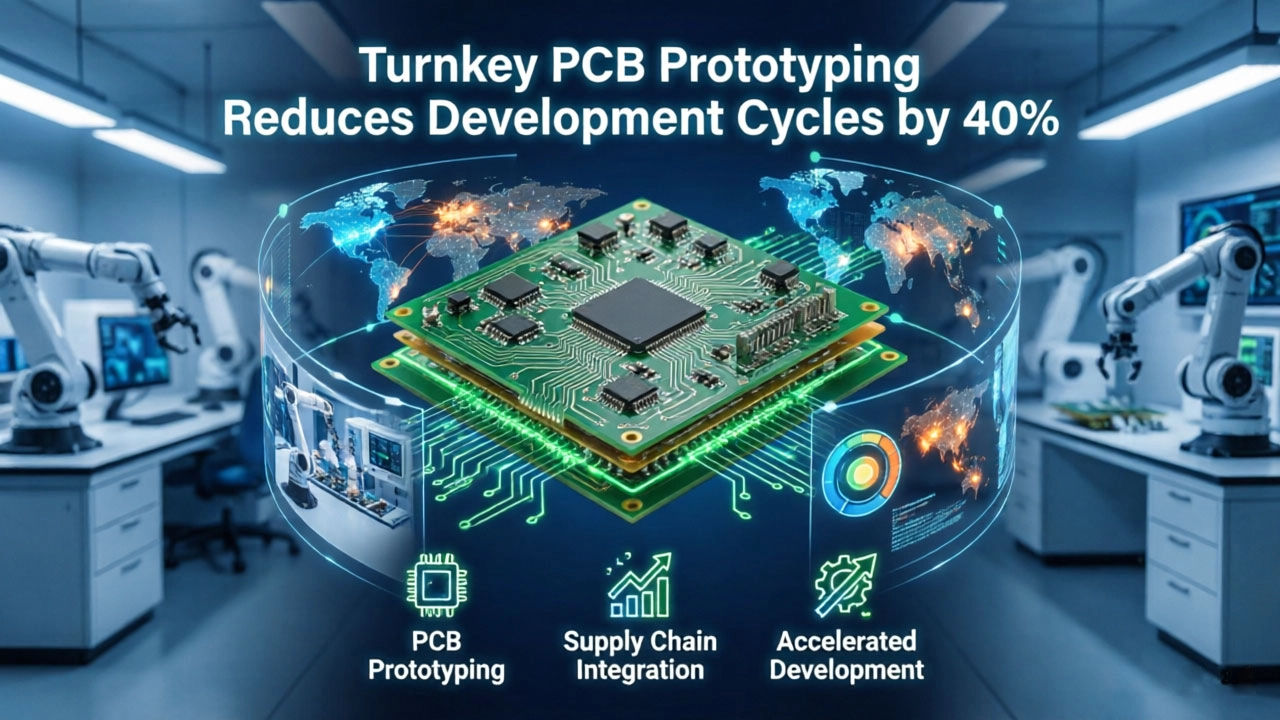
In the hyper-competitive world of Hardware Development, time is the ultimate currency. Every day a product spends stuck in the prototyping phase is a day it isn't generating revenue or capturing market share. If you are managing a hardware project, you have likely experienced the nightmare of juggling multiple vendors: one for the bare boards, another for sourcing components, and a third for assembly. This fragmented approach is a recipe for delays. Enter turnkey Pcb Prototyping. By consolidating fabrication, sourcing, and assembly under one roof, turnkey services are fundamentally changing the game, consistently slashing development cycles by up to 40%. Here is how this integrated model accelerates your path from concept to reality.
The traditional Pcb Assembly process is essentially a relay race where the baton gets dropped constantly. You order bare boards, wait two weeks, receive them, order components, wait for backordered parts, and finally send everything to an assembler. Turnkey prototyping eliminates this relay race entirely. When you submit your Gerber Files and BOM (Bill of Materials), the turnkey provider handles everything. They already have established relationships with global component distributors and can source parts immediately. This parallel processing means board fabrication and Component Sourcing happen simultaneously, shaving weeks off the traditional timeline.
One of the biggest bottlenecks in Hardware Development is the back-and-forth engineering queries. A designer submits a file, the manufacturer finds a clearance issue, emails the designer, waits for a reply, and the clock stops. Modern turnkey providers utilize advanced automated Design for Manufacturability (Dfm) checks and smart engineering systems. These AI-driven platforms can instantly identify impedance mismatches, thermal relief issues, or BOM inconsistencies before production even begins. By automating this engineering review, turnkey services reduce the file-to-fab confirmation time from days to mere hours.
Another massive time-sink is the transition from prototype to Mass Production. When you use different vendors for each stage, you have to re-validate the entire Supply Chain and manufacturing process. Turnkey prototyping creates a seamless digital thread. The exact same BOM, pick-and-place files, and reflow profiles used for your prototype are locked in for Mass Production. This eliminates the "re-learning" phase. Furthermore, turnkey providers often offer small-batch pilot runs as part of the prototyping service, allowing you to validate assembly yields and test jigs before committing to full-scale manufacturing.
Nothing kills a development cycle faster than receiving a batch of assembled boards only to find out they have cold solder joints or tombstoned components. Because turnkey providers control the entire process, their quality control is deeply integrated. They can correlate Solder Paste Printing data with AOI (Automated Optical Inspection) results in real-time. If a specific footprint is consistently failing, they can adjust the stencil aperture or reflow profile on the fly, rather than shipping the boards back to the designer for debugging. This closed-loop feedback ensures that the prototypes you receive are highly reliable, preventing costly respins.
Ultimately, a 40% reduction in development cycles isn't just a nice metric; it is a strategic advantage. Turnkey Pcb Prototyping allows engineering teams to focus on what they do best: innovating and designing, rather than acting as Supply Chain managers. By removing the friction between design, sourcing, and assembly, turnkey services provide a streamlined, predictable, and incredibly fast path to market. If you are still managing your PCB prototyping in silos, it is time to rethink your workflow. The future of hardware development is integrated, and those who adopt turnkey solutions will always be first to the finish line.
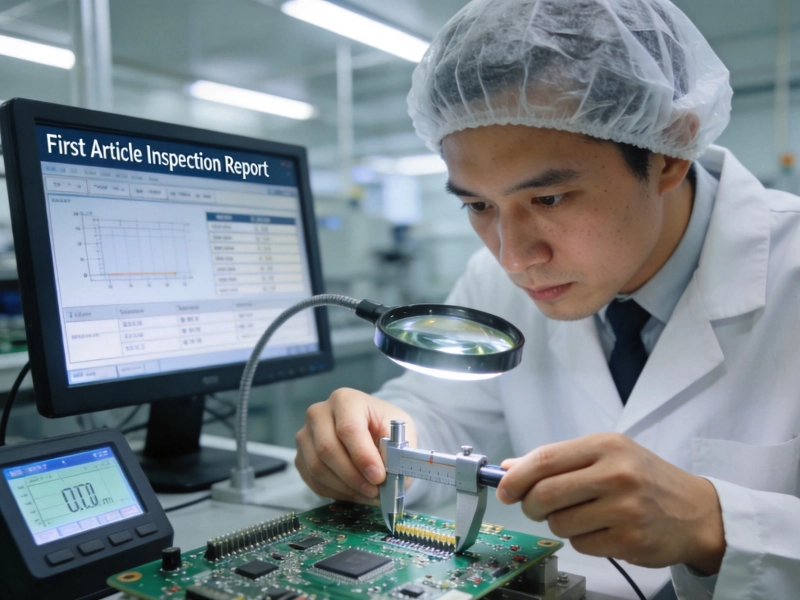
Turnkey PCB Prototyping: Best Practices for First-Article InspectionJuly/28/2026
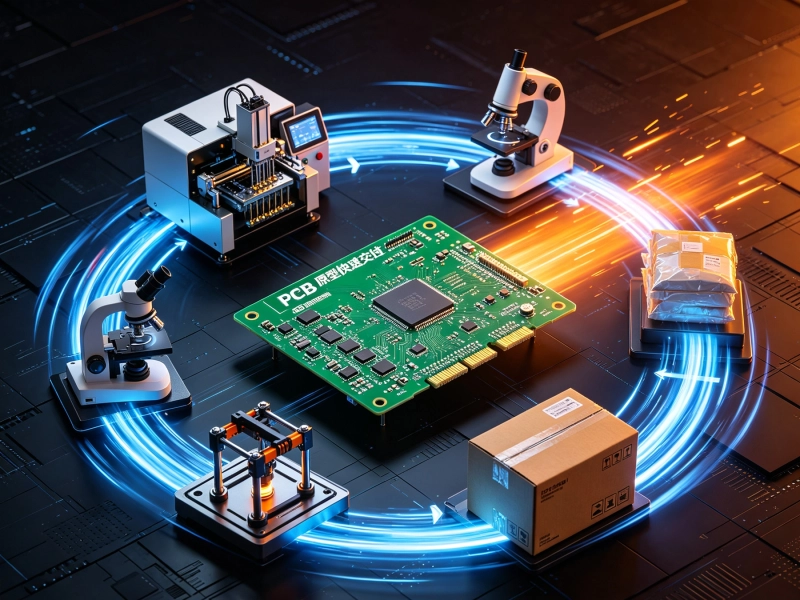
Why Fast Turnaround is Critical in Turnkey PCB PrototypingSeptember/03/2026
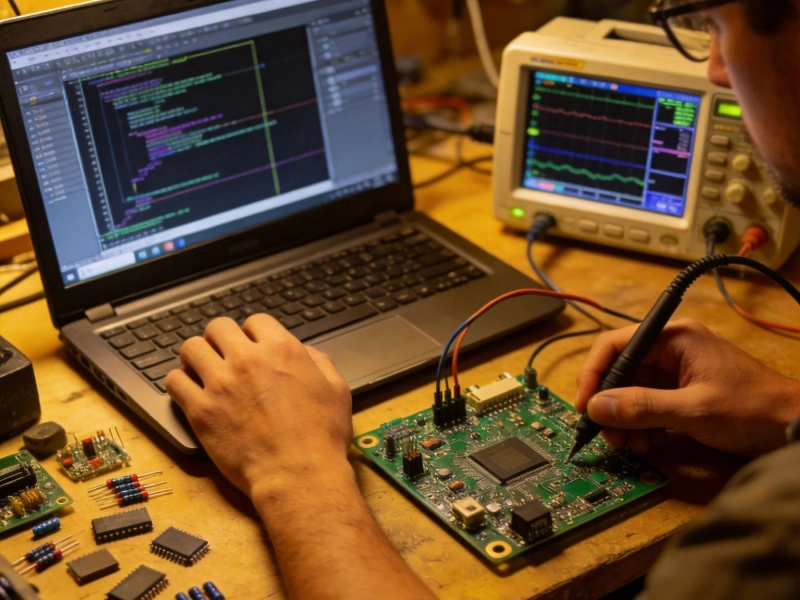
5 Common Mistakes to Avoid During Turnkey PCB PrototypingJuly/07/2026
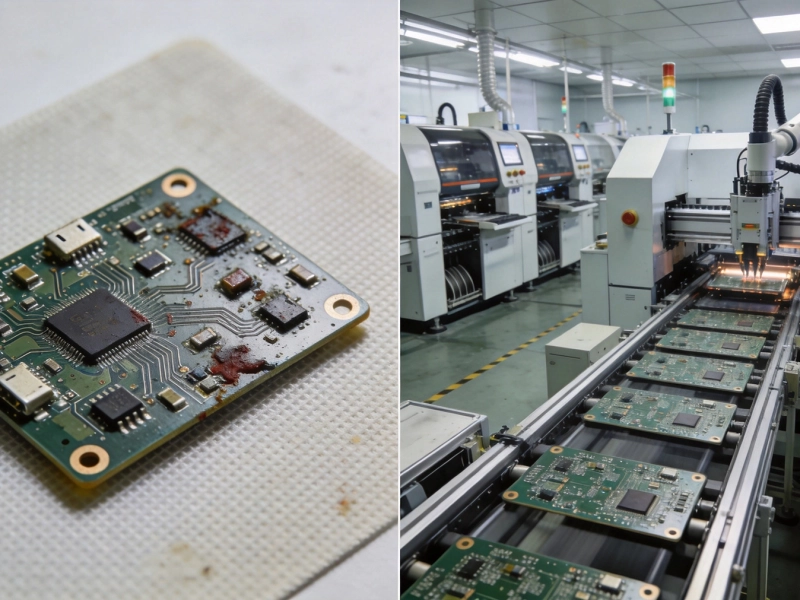
Transitioning from Turnkey PCB Prototyping to Mass Production SmoothlySeptember/29/2026
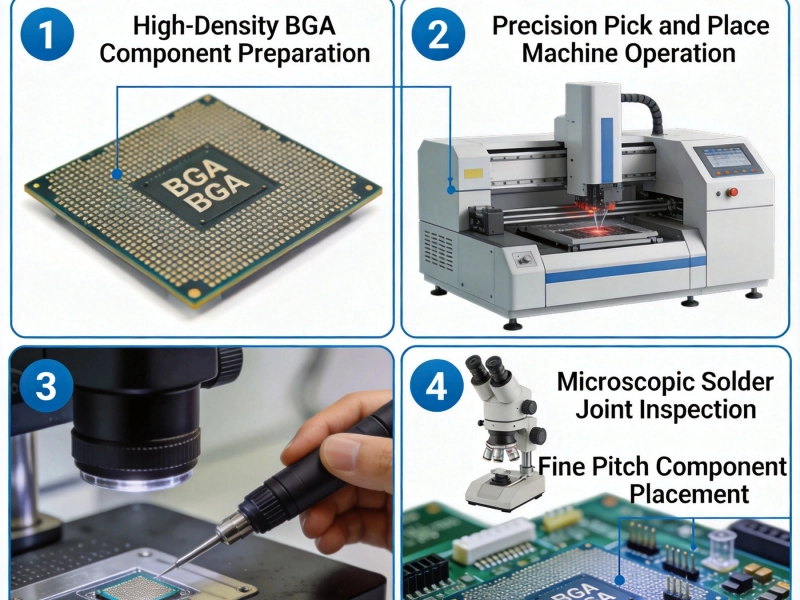
Advanced Turnkey SMT Assembly Techniques for High-Density InterconnectsMay/26/2026

Best Turnkey PCB Assembly for Data Centers and Server MotherboardsAugust/10/2026
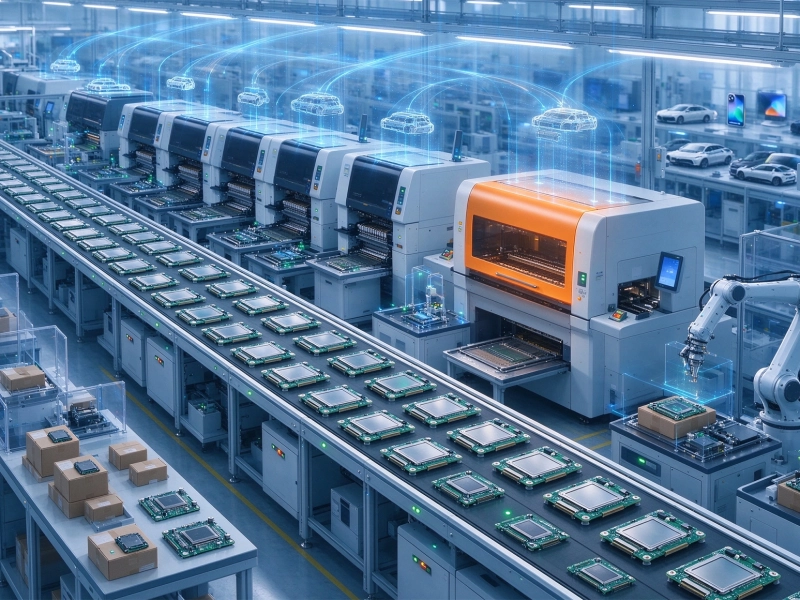
Best Turnkey PCB Assembly for High-Volume Consumer GadgetsOctober/15/2026
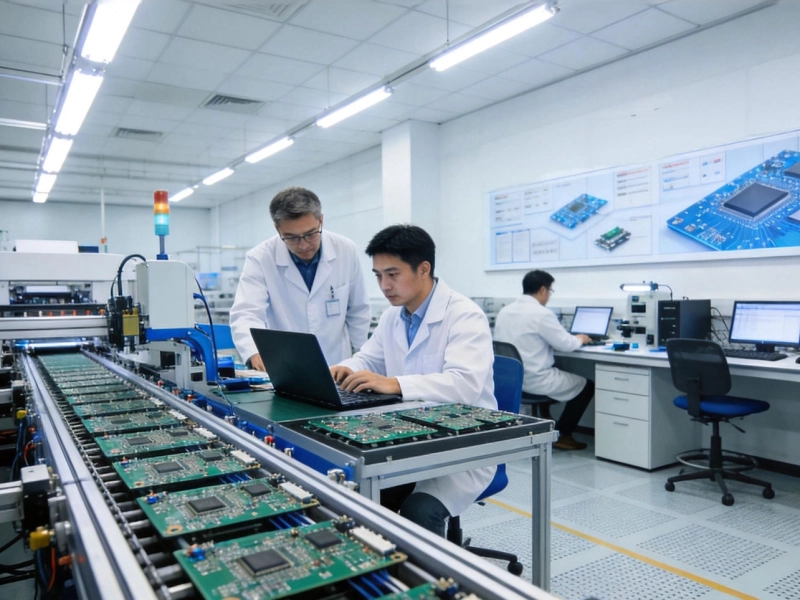
How to Choose the Best Turnkey PCB Assembly Partner in 2026May/26/2026