The Power of Integrated PCB Manufacturing
In the electronics manufacturing landscape, turnkey PCB manufacturing represents a transformative approach that unifies fabrication and assembly under a single coordinated workflow. Traditionally, product developers faced the challenge of managing multiple vendors, coordinating timelines across separate suppliers, and assuming responsibility for compatibility issues between fabrication and assembly stages. This fragmented approach introduced delays, increased costs, and created quality risks that informed manufacturers sought to eliminate.
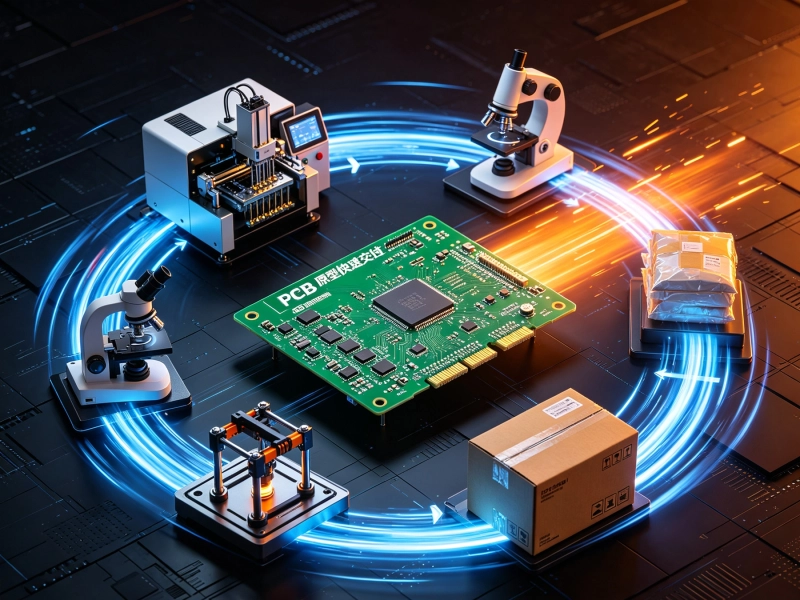
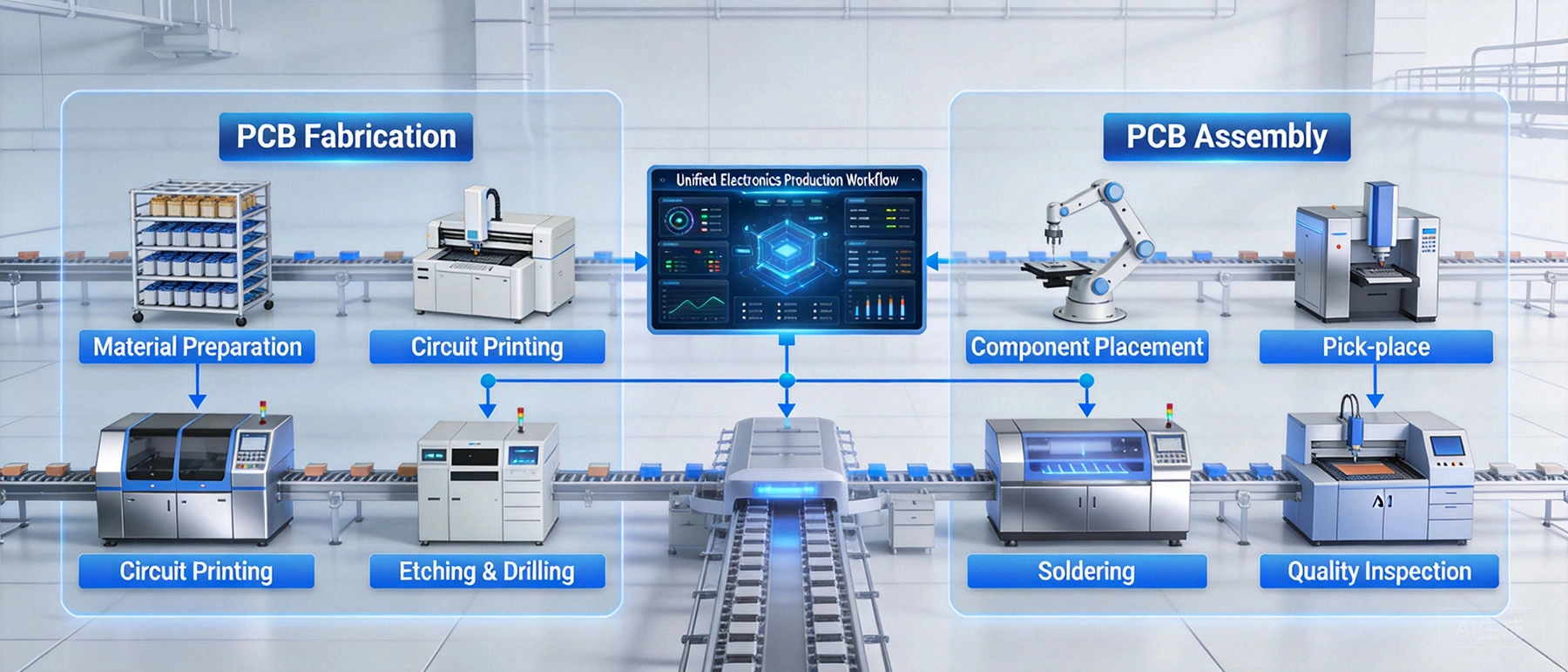
Turnkey manufacturing addresses these challenges by integrating PCB fabrication and assembly into a seamless, coordinated process. A single provider manages the entire journey from bare board production through component mounting, testing, and delivery. This integration eliminates handoff delays, ensures compatibility between fabrication and assembly stages, and provides unified accountability for final product quality.
This comprehensive guide explores how turnkey PCB manufacturing achieves seamless integration, the benefits this approach delivers, the challenges it addresses, and the criteria for selecting the right turnkey manufacturing partner. Understanding these aspects enables product developers and procurement professionals to make informed decisions about manufacturing strategies that optimize quality, cost, and delivery performance.
Understanding Turnkey PCB Manufacturing
What Turnkey Manufacturing Really Means
Turnkey PCB manufacturing encompasses the complete production workflow from initial design files through finished, tested assemblies ready for integration into end products. Unlike partial manufacturing approaches where responsibility fragments across multiple vendors, turnkey manufacturing consolidates all production stages under unified provider management.
The fundamental value proposition extends beyond simple service bundling. True turnkey manufacturing integrates fabrication and assembly operations with shared quality systems, coordinated scheduling, and unified responsibility for final product performance. This integration creates accountability structures that fragmented approaches cannot match.
Core production stages within turnkey manufacturing include:
-
PCB Design Review: Design for manufacturability analysis identifying potential production issues before fabrication commitment
-
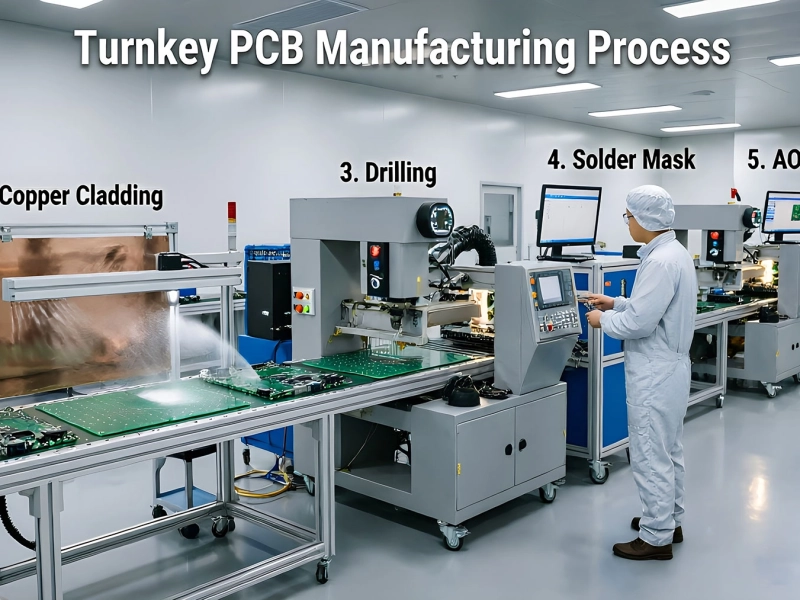
Board Fabrication: Bare board manufacturing including material selection, imaging, etching, drilling, plating, and surface finish application
-
Component Procurement: Sourcing all specified components through established supplier networks with quality verification
-
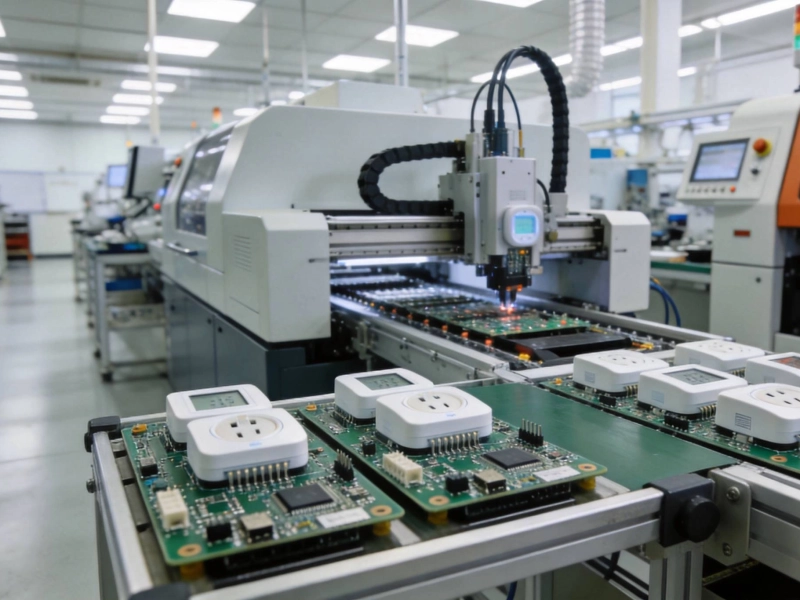
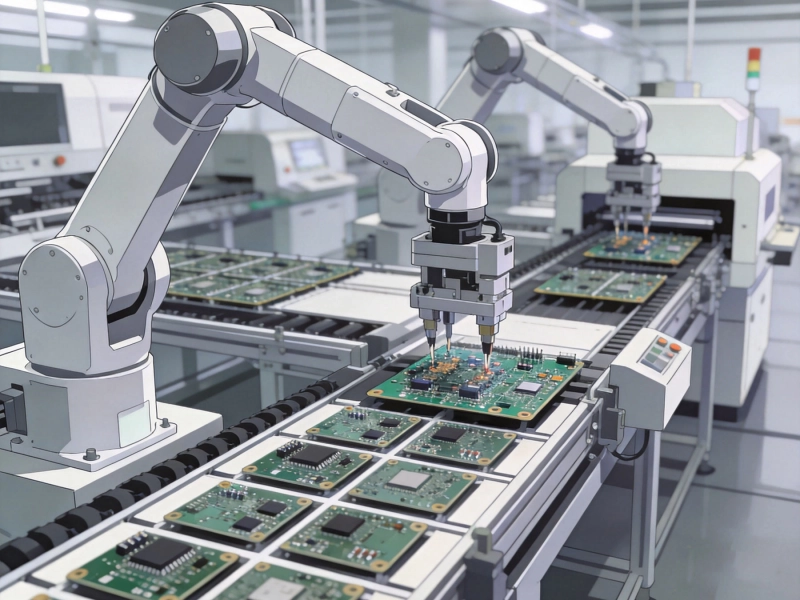
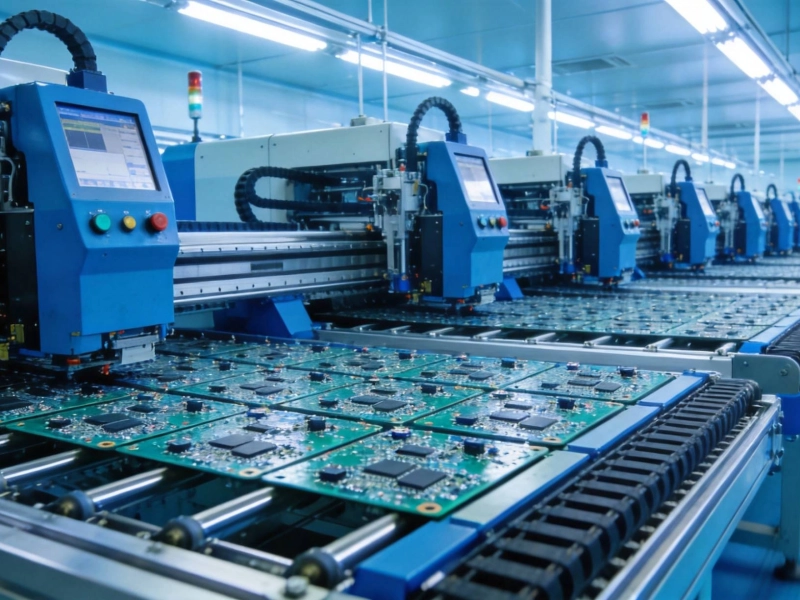
Board Assembly: SMT and THT component mounting including solder paste application, component placement, and reflow processing
-
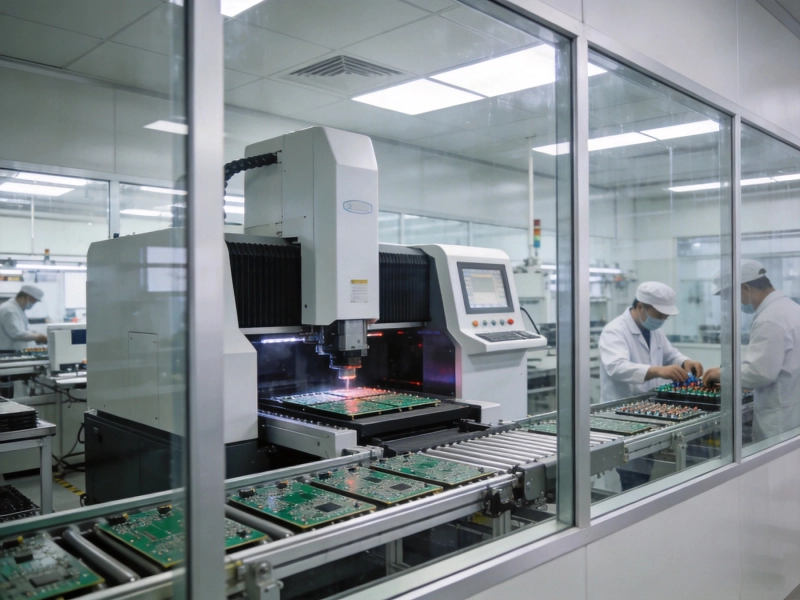
Quality Inspection: Comprehensive testing including automated optical inspection, X-ray analysis for hidden joints, and functional verification
-
Documentation and Packaging: Complete documentation delivery, quality records, and appropriate packaging for shipment
How Turnkey Differs from Fragmented Approaches
Traditional PCB production often involves separate vendors for fabrication and assembly, with the customer managing compatibility and coordination between stages. This approach presents significant challenges that turnkey manufacturing eliminates.
Fragmented approach challenges:
-
Compatibility risks: Fabricated boards may not meet assembly requirements—dimensional issues, surface finish incompatibilities, or tolerance stack-ups causing assembly problems
-
Coordination overhead: Managing separate vendor schedules, delivery timing, and communication across multiple contacts
-
Quality accountability gaps: Unclear responsibility when problems emerge—fabrication issues affecting assembly quality or assembly problems revealing fabrication flaws
-
Timeline complexity: Sequential scheduling across vendors extending overall production cycle compared to integrated approaches
-
Cost management difficulty: Separate pricing structures making total cost optimization challenging across production stages
Turnkey integration benefits:
-
Built-in compatibility: Fabrication specifications optimized for assembly requirements, eliminating compatibility surprises
-
Single accountability: One provider responsible for final assembly quality, simplifying issue resolution
-
Parallel workflow optimization: Component procurement proceeding during fabrication, compressing overall cycle time
-
Integrated quality systems: Quality management spanning all production stages with unified documentation
-
Total cost transparency: Single quotation covering all production elements enabling accurate budgeting
Key Benefits of Seamless Integration
Accelerated Production Timelines
Integration enables timeline optimization impossible with sequential vendor management. Turnkey manufacturing workflow coordination allows parallel execution where fabrication and procurement overlap, compression that sequential approaches cannot achieve.
Timeline acceleration mechanisms:
-
Parallel procurement: Component sourcing beginning during fabrication rather than waiting for finished boards
-
Eliminated handoff delays: Direct transfer between fabrication and assembly without shipping delays or coordination gaps
-
Integrated scheduling: Production planning optimizing workflow across all stages simultaneously
-
Unified communication: Single contact for production status eliminating multi-vendor coordination time
-
Streamlined approval: Consolidated design review and specification approval processes
Production cycle compression translates directly to market timing advantages. Products reaching markets faster capture opportunities that delayed launches miss. For competitive product categories, timeline advantages translate to revenue impact far exceeding manufacturing cost differences.
Enhanced Quality Assurance
Unified quality management across fabrication and assembly creates accountability structures that improve final product quality. When a single provider owns quality across all stages, incentives align toward preventing defects rather than allocating blame.
Quality integration advantages:
-
Compatibility verification: Assembly requirements informing fabrication specifications from project initiation
-
Process optimization: Fabrication parameters optimized for assembly success, not just individual stage metrics
-
Defect prevention: Quality systems identifying issues before they propagate across production stages
-
Root cause clarity: Single provider accountability simplifying problem investigation when issues emerge
-
Documentation integration: Quality records spanning all stages providing complete production visibility
Quality integration particularly benefits demanding applications—complex assemblies, high-reliability requirements, or regulatory compliance needs—where fabrication-assembly compatibility directly affects end-product performance.
Cost Optimization Through Integration
While turnkey manufacturing might appear to cost more than managing separate vendors, total cost analysis often reveals cost advantages. Integration eliminates overhead that fragmented approaches impose and enables optimization across production stages.
Cost optimization pathways:
-
Eliminated coordination costs: Time and resources required for multi-vendor management represent real costs that integration removes
-
Reduced rework: Compatibility issues discovered during assembly represent costly rework that integration prevents
-
Optimized specifications: Fabrication specifications optimized for assembly efficiency, not just fabrication metrics
-
Volume efficiency: Integrated providers achieving procurement efficiencies passed to customers
-
Shipping consolidation: Single shipment rather than multiple shipments reducing logistics costs
True cost comparison requires accounting for all coordination overhead, rework costs, and timeline impact—not just unit pricing. When these factors are included, turnkey integration often delivers superior economics despite potentially higher quoted prices.
Simplified Project Management
Manufacturing complexity directly affects engineering bandwidth available for product development. Turnkey manufacturing reduces project management burden, freeing engineering resources for design activities rather than production coordination.
Project management simplifications:
-
Single vendor relationship: One contract, one communication channel, one accountability structure
-
Reduced approval cycles: Consolidated approval processes rather than separate vendor authorizations
-
Unified status reporting: Single production status source rather than aggregating multiple vendor updates
-
Simplified issue escalation: Clear escalation path when problems require intervention
-
Consolidated documentation: Single documentation package rather than assembling records from multiple vendors
For organizations with limited manufacturing management resources, turnkey simplification enables engagement with production that fragmented approaches would not support.
Challenges Addressed by Turnkey Integration
Compatibility Between Fabrication and Assembly
The most persistent challenge in fragmented PCB production is ensuring compatibility between fabricated boards and assembly requirements. These compatibility issues frequently emerge when fabrication specifications fail to account for assembly realities.
Common compatibility issues:
-
Dimensional tolerance stack-ups: Accumulated variations across board dimensions, hole positions, and component tolerances creating assembly problems
-
Surface finish incompatibilities: Finishes appropriate for fabrication but problematic for assembly solderability
-
Pad geometry mismatches: Pad designs suitable for fabrication but causing assembly defects
-
Material selection issues: Substrate materials creating assembly challenges—outgassing, thermal expansion, or handling difficulties
-
Test access limitations: Board designs preventing adequate test access for assembly verification
Turnkey manufacturing addresses compatibility by integrating design review, fabrication specification, and assembly planning from project initiation. Fabrication parameters account for assembly requirements, and assembly processes adapt to fabrication capabilities, creating optimization across the complete workflow.
Communication Across Production Stages
Fragmented production introduces communication gaps between fabrication and assembly operations. Information critical for quality often fails to transfer between vendors, creating blind spots that compromise final product quality.
Communication gap examples:
-
Fabrication anomalies: Minor fabrication variations that affect assembly success not communicated to assembly operations
-
Material issues: Substrate characteristics affecting assembly processes unknown to assembly operators
-
Process feedback: Assembly observations that would improve fabrication specifications lost between vendors
-
Specification clarification: Ambiguous requirements requiring interpretation handled inconsistently across vendors
Integrated operations share information freely across production stages. Assembly operators understand fabrication characteristics affecting their work, and fabrication specifications incorporate assembly feedback. This continuous communication improves both stages continuously.
Timeline Coordination Complexity
Managing production timelines across separate vendors introduces coordination complexity that delays completion and creates scheduling risks. Turnkey integration eliminates this complexity through unified scheduling.
Timeline coordination challenges:
-
Delivery synchronization: Ensuring fabricated boards arrive when components are available for assembly
-
Schedule buffer requirements: Adding time buffers to accommodate multi-vendor coordination delays
-
Change impact assessment: Evaluating how design changes affect multiple vendor schedules
-
Problem resolution time: Delays resolving issues requiring coordination across vendor boundaries
Unified scheduling eliminates coordination delays. Production planning optimizes workflow across all stages simultaneously, and schedule changes propagate automatically through integrated operations.
Quality Accountability Ambiguity
When quality problems emerge in fragmented production, determining responsibility often proves challenging. Fabrication issues may manifest during assembly, and assembly problems may reveal fabrication limitations. This accountability ambiguity delays problem resolution and complicates corrective action.
Accountability challenges:
-
Blame allocation disputes: Vendors deflecting responsibility rather than focusing on resolution
-
Investigation delays: Time consumed determining root cause before addressing problems
-
Corrective action confusion: Unclear which vendor should implement process improvements
-
Cost allocation disputes: Arguments about who bears rework or scrap costs
Turnkey manufacturing eliminates accountability ambiguity. The provider owns quality across all production stages, focusing energy on resolution rather than blame allocation. This accountability clarity accelerates problem resolution and improves overall quality performance.
How Seamless Integration Achieves Manufacturing Excellence
Unified Design Review Process
Turnkey manufacturing begins integration at design initiation, not when fabrication starts. Unified design review evaluates producibility across fabrication and assembly simultaneously, identifying issues before they create production problems.
Integrated design review elements:
-
Fabrication specification review: Evaluating board design against fabrication capability, identifying manufacturability concerns
-
Assembly compatibility assessment: Analyzing component selection, pad design, and layout for assembly feasibility
-
Testability evaluation: Reviewing design for test access and verification capability
-
Material selection guidance: Recommending substrates and finishes optimized for the complete production workflow
-
Design optimization suggestions: Proposing modifications improving producibility without compromising functionality
Early integration prevents downstream problems. Issues identified during design review cost far less to address than problems discovered during production. This proactive approach distinguishes turnkey manufacturing from sequential vendor management.
Coordinated Production Scheduling
Turnkey scheduling optimizes the complete production workflow rather than individual stage efficiency. This coordination compresses timelines while ensuring all stages have required inputs when needed.
Scheduling optimization strategies:
-
Parallel procurement execution: Component sourcing beginning immediately upon design acceptance, not waiting for fabricated boards
-
Fabrication-assembly synchronization: Board delivery timing coordinated precisely with component availability
-
Test resource allocation: Inspection and testing capacity planned across the complete workflow
-
Shipment consolidation: Final delivery scheduling optimized for customer receipt timing
Scheduling coordination particularly benefits projects with aggressive timelines. Turnkey providers optimize workflow as a system, not as isolated stages, achieving timeline performance that sequential approaches cannot match.
Shared Quality Management Systems
Quality systems spanning all production stages enable defect prevention rather than just detection. Shared quality management creates visibility across the complete workflow, identifying issues before they propagate.
Integrated quality system features:
-
Process parameter tracking: Critical parameters monitored across fabrication, assembly, and testing
-
Defect pattern analysis: Quality data analyzed across stages to identify systemic issues
-
Feedback loops: Assembly observations informing fabrication process adjustments and vice versa
-
Unified documentation: Quality records consolidated into single documentation package
-
Continuous improvement: Improvement initiatives addressing root causes across production boundaries
Real-Time Production Visibility
Turnkey manufacturing provides continuous visibility into production status across all stages. This transparency enables proactive management and rapid response when issues emerge.
Visibility capabilities:
-
Stage-by-stage progress tracking: Real-time updates on fabrication, procurement, assembly, and testing progress
-
Issue alerts: Immediate notification when problems require attention or design decision input
-
Timeline projection: Estimated completion updates reflecting current production status
-
Quality status visibility: Inspection results and quality verification status available throughout production
Production transparency builds confidence and enables planning. Customers know production status without requiring inquiry, and problems receive attention before they escalate.
Selecting the Right Turnkey Manufacturing Partner
Evaluating Integration Maturity
Not all turnkey providers achieve genuine integration. Some offer bundled services without integrated operations, maintaining separate departments with limited coordination. Evaluating integration maturity ensures selecting a provider delivering genuine turnkey benefits.
Integration maturity indicators:
-
Internal fabrication capability: Providers operating their own fabrication facilities typically achieve deeper integration than those sourcing fabrication externally
-
Unified quality systems: Single quality management system spanning all production stages, not separate systems for different departments
-
Shared production planning: Integrated scheduling systems coordinating workflow across stages
-
Cross-trained workforce: Personnel understanding both fabrication and assembly operations, enabling flexible resource allocation
-
Unified project management: Single project manager overseeing complete production, not handoffs between stage-specific managers
Capability Assessment Criteria
Beyond integration maturity, specific capability areas require evaluation to ensure turnkey partners can meet project requirements.
Essential capability areas:
-
Fabrication capability range: Layer counts, minimum feature sizes, material options, and special process capability matching project requirements
-
Assembly capability scope: Component types handled, fine-pitch capability, BGA experience, and testing infrastructure
-
Component sourcing network: Supplier relationships, inventory availability, and procurement capability for specified components
-
Quality certification status: ISO 9001, IPC certifications, and industry-specific certifications matching application requirements
-
Documentation delivery: Quality records, test reports, and compliance documentation meeting project requirements
Questions for Turnkey Provider Evaluation
Targeted questioning reveals integration depth and capability alignment with project needs.
-
Do you operate your own fabrication facility, or do you source fabrication externally?
-
How do you coordinate production scheduling across fabrication and assembly stages?
-
What quality systems span both fabrication and assembly operations?
-
How do you handle compatibility issues between fabrication and assembly?
-
Who is my single point of contact throughout production?
-
What visibility do customers have into production status?
-
How do you handle design changes affecting multiple production stages?
-
What documentation accompanies finished assemblies?
-
Can you provide examples of complex projects demonstrating integrated capability?
Verification Through Evidence
Provider claims require verification through evidence demonstrating actual capability and integration maturity.
Verification approaches:
-
Facility evaluation: On-site visits demonstrating physical integration of operations
-
Sample projects: Completed assemblies demonstrating capability with complexity matching project requirements
-
Customer references: References from projects with similar integration requirements
-
Documentation samples: Example quality records demonstrating documentation quality and traceability
-
Process observation: Observation of actual production operations during facility evaluation
When Turnkey Manufacturing Is Most Appropriate
Ideal Application Scenarios
Turnkey manufacturing delivers maximum value in specific contexts where integration benefits outweigh alternatives.
-
Complex assemblies: Projects with demanding requirements—high layer counts, fine-pitch components, BGA packages, or specialized materials—where fabrication-assembly compatibility is critical
-
Time-sensitive projects: Products with aggressive launch timelines where timeline optimization provides competitive advantage
-
Resource-constrained organizations: Teams without manufacturing management bandwidth benefit from simplified vendor relationship
-
Prototype-to-production transitions: Projects moving from prototype development to volume manufacturing benefit from continuity with single provider
-
Regulatory compliance requirements: Applications requiring comprehensive documentation and traceability across production stages
-
Quality-critical applications: Products where final assembly quality directly affects end-product performance or safety
Scenarios Favoring Alternative Approaches
Certain circumstances may favor alternative manufacturing strategies despite turnkey benefits.
-
Established fabrication relationships: Organizations with long-standing vendor relationships achieving favorable pricing may sacrifice integration benefits for cost optimization
-
Specialized fabrication requirements: Unique fabrication specifications exceeding turnkey provider capability may require specialized fabrication sources
-
Volume optimization strategies: Large production volumes where separate vendor optimization achieves cost targets unattainable through turnkey approaches
-
Component control requirements: Applications requiring direct component procurement control—proprietary sources, regulated supply chains—may not align with turnkey procurement models
Most product development scenarios benefit from turnkey manufacturing. The scenarios favoring alternatives typically involve specialized circumstances that apply to minority of applications.
The Future of Integrated PCB Manufacturing
Technology Trends Enhancing Integration
PCB manufacturing integration continues advancing as technology enables deeper coordination across production stages. These trends improve integration capability and customer experience.
Emerging integration technologies:
-
Digital thread implementation: Continuous digital connectivity linking design data through fabrication, assembly, testing, and documentation
-
AI-powered optimization: Machine learning algorithms optimizing production scheduling and quality prediction across integrated workflows
-
Advanced analytics: Big data analysis identifying patterns across production stages enabling predictive quality management
-
IoT sensor integration: Real-time equipment monitoring providing granular visibility into production process conditions
-
Cloud-based collaboration: Secure platforms enabling customer engagement with production status and design review processes
Customer Experience Evolution
Integration advances improve customer experience beyond operational benefits. Future turnkey manufacturing will offer engagement models impossible with fragmented approaches.
Future customer experience enhancements:
-
Virtual production monitoring: Real-time visual access to production operations from design through shipment
-
Predictive timeline management: AI-powered completion predictions reflecting actual production performance
-
Automated design optimization: Continuous design feedback integrated into product development workflows
-
Seamless revision management: Design change impact assessment and implementation across integrated production
Market Evolution Toward Integration
The industry trend toward integrated manufacturing continues accelerating as more organizations recognize turnkey benefits. This evolution raises customer expectations and differentiates capable providers.
Market trends:
-
Increasing customer expectations: Buyers increasingly expect integration capabilities that were premium features
-
Provider consolidation: Market forces driving consolidation toward providers with complete capability
-
Technology investment requirements: Competitive positioning requires technology investment that fragments providers cannot justify
-
Global supply chain integration: International manufacturing networks requiring sophisticated integration infrastructure
Organizations selecting turnkey partners position themselves to benefit from continuing integration advances. The capabilities available through turnkey manufacturing will continue expanding, making early adoption advantageous.
Implementing Turnkey Manufacturing Successfully
Transition Planning Considerations
Organizations transitioning to turnkey manufacturing require planning to maximize integration benefits. Proper transition ensures successful adoption without production disruption.
Transition planning elements:
-
Current state assessment: Understanding existing manufacturing relationships, their strengths, and transition requirements
-
Partner evaluation: Systematic evaluation of turnkey providers against capability and integration criteria
-
Pilot project selection: Initial projects selected for turnkey implementation balancing learning opportunity with manageable risk
-
Documentation transfer: Design documentation preparation for turnkey provider engagement
-
Expectation alignment: Clear communication with turnkey partners about requirements, timelines, and quality expectations
Maximizing Turnkey Value
Successful turnkey implementation goes beyond provider selection to engagement practices that maximize integration benefits.
Value maximization strategies:
-
Early engagement: Involving turnkey partners during design phases to maximize DFM benefit
-
Clear specification: Providing complete design packages enabling accurate quotation and optimized production
-
Regular communication: Maintaining engagement with providers throughout production rather than just at milestones
-
Feedback integration: Incorporating provider insights into design practices for future projects
-
Performance monitoring: Tracking turnkey performance metrics to identify improvement opportunities
Building Long-Term Partnerships
Turnkey manufacturing value compounds through long-term partnerships where providers understand customer requirements deeply and anticipate needs.
Partnership development practices:
-
Consistent engagement: Routing ongoing projects through turnkey partners rather than fragmented sourcing
-
Performance feedback: Constructive feedback helping partners improve service quality
-
Future planning coordination: Sharing product roadmaps enabling providers to prepare for upcoming requirements
-
Mutual problem-solving: Collaborative approaches to challenges rather than adversarial relationships
Long-term turnkey partnerships become strategic assets, providing manufacturing stability and enabling product development confidence.
Conclusion: Embracing Integrated Manufacturing Excellence
Turnkey PCB manufacturing represents manufacturing evolution beyond fragmented approaches that dominated electronics production for decades. Integrating fabrication and assembly into seamless workflows delivers measurable benefits across quality, timeline, cost, and project management dimensions. These benefits compound as organizations develop turnkey partnerships that deepen over time.
The challenges that fragmented manufacturing imposes—compatibility issues, communication gaps, timeline complexity, accountability ambiguity—disappear when integrated operations assume unified responsibility. Providers optimizing the complete workflow outperform organizations managing isolated stages, creating value that individual vendors cannot match.
Selecting the right turnkey partner requires evaluating integration maturity, not just capability claims. Genuine integration manifests through organizational structure, quality systems, scheduling practices, and communication patterns. Providers achieving true integration deliver benefits that bundled services without integration cannot approach.
Manufacturing strategy decisions shape product development capability for years. Organizations embracing turnkey integration position themselves for competitive advantages that fragmented approaches cannot provide. The future of electronics manufacturing belongs to integrated operations that optimize across production boundaries, delivering quality, speed, and efficiency that sequential vendor management cannot achieve.
Use this guide to evaluate turnkey manufacturing opportunities and select partners delivering genuine integration benefits. The transition from fragmented approaches requires upfront investment but delivers returns that justify the change. Turnkey manufacturing isn't just a service model—it's a manufacturing philosophy that puts customer success at the center of production optimization.
Frequently Asked Questions
What's the main difference between turnkey manufacturing and using separate vendors?
The fundamental difference is unified accountability. Turnkey manufacturing provides single-provider responsibility for fabrication, assembly, and final quality. Separate vendors create accountability gaps where problems between stages create finger-pointing rather than resolution. Turnkey also enables workflow optimization impossible with sequential vendor management.
Does turnkey manufacturing always cost more than managing vendors separately?
Not necessarily. While turnkey quotations may appear higher than individual vendor quotes, total cost analysis typically reveals turnkey advantages when accounting for coordination overhead, rework from compatibility issues, timeline buffer requirements, and management time. Fragmented approaches impose hidden costs that turnkey integration eliminates.
How do I verify that a turnkey provider truly has integrated operations?
Ask specific questions about operational integration—do they operate their own fabrication facility, how do they coordinate scheduling across stages, what quality systems span both operations? Request facility visits to observe integration in practice. Ask for references from complex projects where fabrication-assembly compatibility was critical.
What happens when quality problems emerge in turnkey manufacturing?
With genuine turnkey integration, the provider assumes responsibility for resolution across all production stages. This accountability accelerates problem-solving since the provider focuses on resolution rather than blame allocation. Documentation and root cause analysis span all stages, enabling comprehensive corrective action.
Can I switch between turnkey and fragmented manufacturing for different projects?
Technically yes, but it's not recommended. Switching between approaches sacrifices the partnership benefits that turnkey manufacturing delivers. Complex projects particularly benefit from turnkey continuity where providers understand product requirements deeply. Short-term cost differences rarely justify partnership disruption.
What documentation should turnkey manufacturing provide?
Comprehensive turnkey documentation includes fabrication records, assembly records, inspection results (including X-ray for hidden joints), test reports, material traceability, and certificates of conformance. Documentation should span all production stages with traceability linking components to records.
How does turnkey manufacturing handle design changes?
Turnkey providers with genuine integration assess design change impact across all production stages simultaneously. Change implementation coordinates through single contact with unified timeline impact assessment. This contrasts with fragmented approaches where design changes require separate vendor notifications and schedule negotiations.