
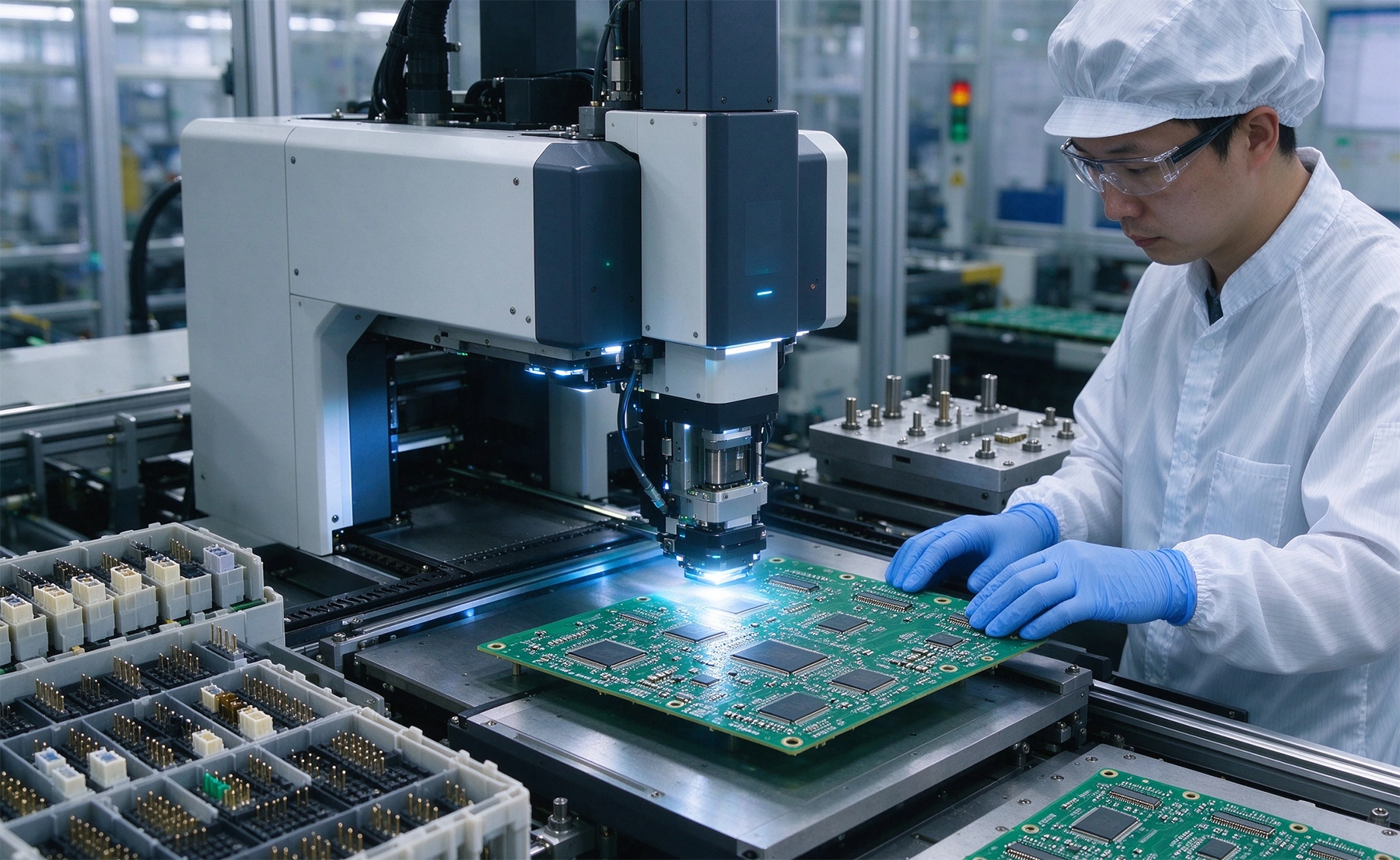
Managing a hardware project involves juggling dozens of moving parts—PCB Fabrication, Component Sourcing, assembly, testing, and logistics. For engineers, especially those in startups or small teams, coordinating all these activities across multiple vendors can quickly become overwhelming. This is where Turnkey Pcb Solutions come in, offering a streamlined approach that lets engineers focus on what they do best: designing great products.
In this article, we will explore how Turnkey Pcb services simplify project management, reduce risks, and accelerate Time-to-market for engineering teams of all sizes.
A Turnkey Pcb solution is an end-to-end service where a single supplier handles the entire manufacturing process—from bare board fabrication and component procurement to Smt Assembly, testing, and final shipping. Instead of managing separate vendors for each step, you provide your design files and BOM, and the supplier delivers fully assembled and tested boards ready for integration.
The term "turnkey" comes from the idea that you simply "turn the key" and everything is ready to go. For engineers, this means fewer purchase orders, fewer communication channels, and fewer opportunities for things to go wrong.
To appreciate the value of turnkey solutions, it helps to understand the traditional approach. In a typical non-turnkey workflow, an engineer might:
Each handoff introduces risk. Components can arrive late or damaged. Bare boards might not meet specifications. Miscommunication between vendors can lead to assembly errors. And the engineer ends up spending more time on logistics than on engineering.
With a turnkey provider, you have one contact point for the entire process. If something goes wrong—whether it is a component shortage, a fabrication defect, or an assembly issue—the supplier takes responsibility and works to resolve it. This eliminates the finger-pointing that often occurs when multiple vendors are involved.
Instead of issuing separate purchase orders, tracking multiple shipments, and managing several invoices, you deal with one PO and one invoice. This significantly reduces the administrative burden on procurement and finance teams, freeing up time for more strategic activities.
Turnkey suppliers optimize the entire workflow because they control all stages of production. They can parallel-process fabrication and Component Sourcing, identify potential bottlenecks early, and make real-time adjustments. For prototype projects, this can shave days or even weeks off the schedule.
Established turnkey suppliers have strong relationships with component distributors and often maintain inventory of popular parts. They can source components more efficiently than individual engineers, negotiate better pricing, and suggest alternatives when parts are obsolete or on long lead times. This is particularly valuable during global component shortages.
When fabrication and assembly are handled by the same supplier, quality control becomes more cohesive. Issues detected during assembly can be traced back to fabrication quickly, and corrective actions can be implemented faster. Many turnkey providers also offer comprehensive testing services, including AOI, X-ray, ICT, and functional testing, as part of the package.
For startups with limited resources, turnkey solutions are almost always the better choice. They eliminate the need to build a Supply Chain from scratch and allow small teams to punch above their weight by leveraging the supplier's existing infrastructure and expertise.
If your project involves multiple board revisions, complex BOMs with hundreds of components, or specialized processes like rigid-flex assembly, a turnkey provider can manage the complexity more efficiently than coordinating multiple vendors.
When time is critical, turnkey solutions minimize coordination delays. The supplier can optimize the schedule across all stages and expedite where needed without requiring you to chase multiple parties.
Turnkey solutions are not without trade-offs. Here are a few considerations:
Turnkey Pcb Solutions offer a powerful way to simplify project management for engineers. By consolidating fabrication, sourcing, assembly, and testing under one roof, they reduce complexity, minimize risks, and accelerate development cycles. For startups and small teams especially, the ability to focus on design rather than logistics can be a significant competitive advantage.
That said, choosing the right turnkey partner matters. Look for suppliers with proven capabilities, transparent communication, and a track record of supporting projects similar to yours. With the right partner, Turnkey Pcb Services can transform how you bring hardware products to market.
In Turnkey Assembly, the supplier sources all components and handles the entire process. In consignment assembly, you provide the components yourself and the supplier only handles fabrication and assembly. Turnkey is more convenient, while consignment may offer more cost control for large volumes.
Turnkey services may have a slight premium due to the convenience and management overhead the supplier absorbs. However, when you factor in the time saved, reduced risk of errors, and elimination of coordination costs, they are often more cost-effective overall, especially for low to medium volumes.
Yes, most turnkey suppliers offer expedited services for both prototypes and production runs. Lead times can be as short as 24-48 hours for simple prototypes, though expedited orders typically come at a higher cost.
You will need Gerber files, drill files, a BOM with manufacturer part numbers and quantities, assembly drawings, surface finish requirements, quantity needed, and any special requirements such as Impedance Control, testing, or Conformal Coating.
About the author: I have spent over a decade in the PCB and Electronics Manufacturing industry, working with engineering teams across startups, SMEs, and enterprise companies. I have seen firsthand how the right manufacturing approach can make or break a Product Launch, and I am passionate about helping engineers navigate the complexities of hardware production.
Comprehensive Turnkey PCB Solutions for Complex Electronic SystemsJuly/14/2026
Best Turnkey PCB Assembly for Automotive & EV Systems: Meeting IATF 16949June/18/2026
Best Turnkey PCB Assembly for Electric Vehicle Control UnitsSeptember/16/2026

The Role of Turnkey PCB Assembly in Advanced Driver Assistance Systems (ADAS)July/17/2026

The Advantages of Local vs. Overseas Turnkey PCB ManufacturingOctober/09/2026
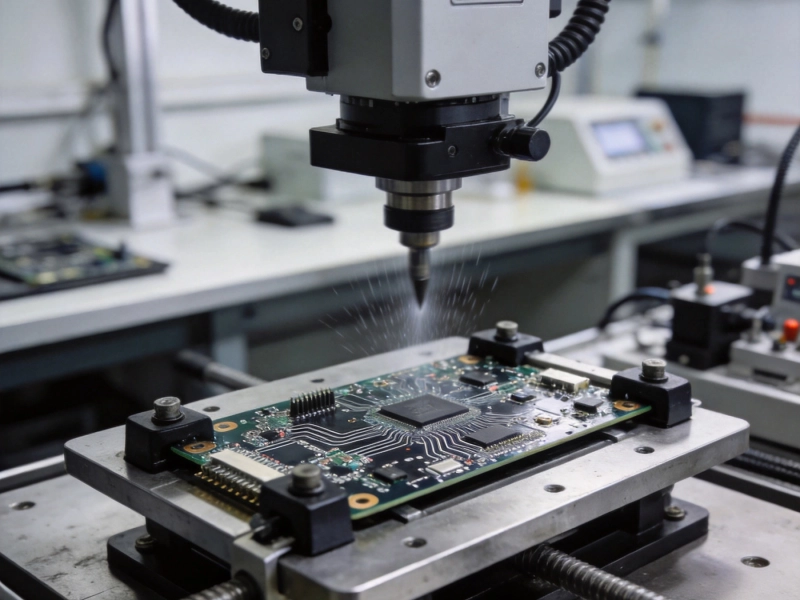
Vibration and Shock Resistance in Automotive PCB AssemblyAugust/08/2026
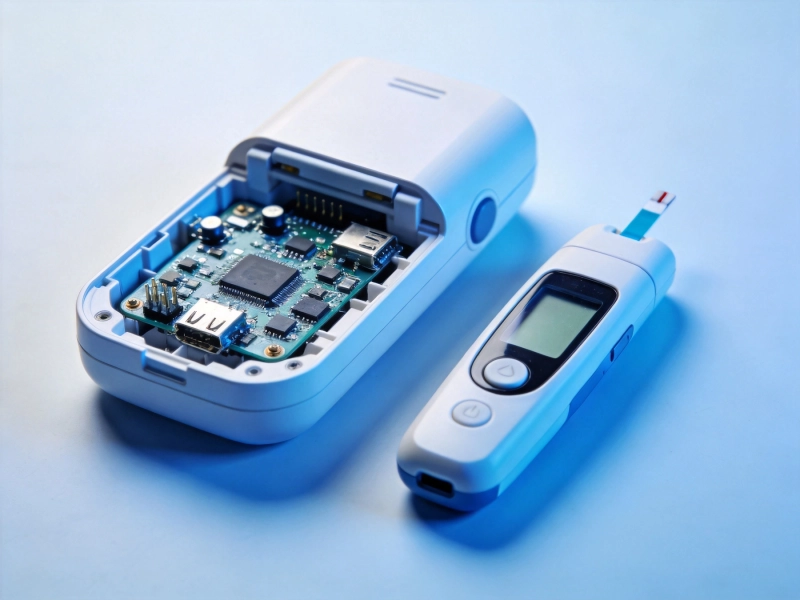
Best Turnkey PCB Assembly for Portable Diagnostic EquipmentAugust/12/2026

Turnkey PCB Assembly Insights: 2026 Industry Trends and Market AnalysisMay/26/2026