

In the rapidly evolving landscape of Electronics Manufacturing, one of the most critical decisions hardware companies face is choosing the right production partnership model. Two dominant approaches have emerged as industry standards: Turnkey Pcb services and consignment manufacturing. Each model offers distinct advantages, trade-offs, and strategic implications that can significantly impact your project's success, cost structure, Time-to-market, and long-term viability. Understanding these models thoroughly is essential for engineers, product managers, and business leaders seeking to optimize their manufacturing strategy in an increasingly competitive environment.
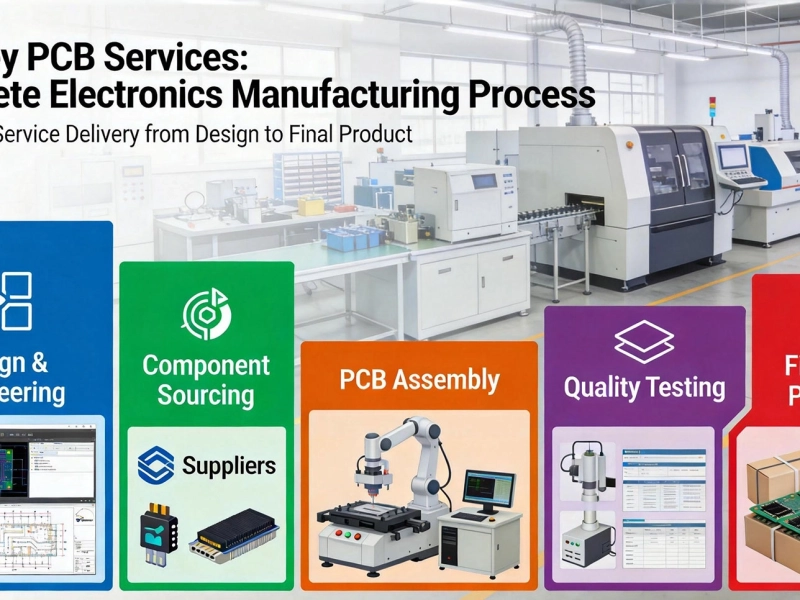
The turnkey model, often referred to as full-service or one-stop manufacturing, places the majority of production responsibility on the manufacturing partner. In this approach, the EMS (Electronic Manufacturing Services) provider handles everything from PCB Fabrication and component procurement to assembly, testing, quality control, and even logistics delivery. Customers simply provide their Bill of Materials (BOM), Gerber Files, and other design documentation, and the manufacturer manages the entire rest of the process. This comprehensive approach has gained substantial popularity, particularly among startups, small-to-medium enterprises, and companies prioritizing speed and operational simplicity over direct Supply Chain involvement.
The consignment model operates on fundamentally different principles. In this arrangement, the customer maintains ownership and responsibility for component procurement, Inventory Management, and component-level quality control. The manufacturing partner receives the components, stores them appropriately, and executes only the assembly and testing operations. This model appeals to companies with established Supply Chain capabilities, strong bargaining power with component suppliers, or those requiring specific components that must be tightly controlled throughout the production process. The decision between these two models isn't simply a matter of preference—it requires careful analysis of your organization's capabilities, resources, strategic priorities, and the specific characteristics of your project.
Turnkey Pcb services represent the most comprehensive manufacturing approach available in the electronics industry. Under this model, the manufacturing partner assumes end-to-end responsibility for the entire production process, from initial Design Review and Dfm (Design for Manufacturability) analysis through final packaging and shipment. The provider sources all components, manages supplier relationships, handles quality inspections for incoming materials, maintains inventory records, and ensures that all manufacturing processes meet specified standards. This hands-off approach for the customer means that engineers can focus on core product development activities rather than getting bogged down in procurement negotiations, Inventory Management, and supply chain logistics.
The turnkey model's appeal stems from several compelling advantages that address common pain points in Electronics Manufacturing. Perhaps most significantly, it dramatically reduces the burden on engineering teams who would otherwise spend substantial time coordinating with multiple suppliers, tracking component availability, managing inventory levels, and resolving supply chain disruptions. Industry research indicates that hardware engineers at companies without turnkey support often spend more than 30% of their working hours on supply chain and procurement-related tasks—time that could be redirected toward innovation and product improvement. The turnkey model effectively liberates these talented professionals to focus on what they do best: designing better products.
Turnkey Manufacturing offers numerous benefits that make it an attractive option for many organizations. The most immediate advantage is simplified Project Management—dealing with a single manufacturing partner rather than coordinating between PCB fab houses, component distributors, assembly vendors, and logistics providers significantly reduces administrative overhead and communication complexity. This consolidation also streamlines quality accountability, as any issues can be traced through a single point of contact rather than being bounced between multiple suppliers with shifting responsibility.
Cost efficiency represents another significant benefit of the turnkey approach. Manufacturing partners operating on this model typically maintain established relationships with component distributors and can leverage volume purchasing to secure better pricing than individual customers could achieve independently. Additionally, the manufacturer assumes inventory risk—if component prices fluctuate or certain parts become unavailable, the turnkey provider absorbs much of this impact rather than passing it directly to the customer. This risk transfer can be particularly valuable in volatile markets where component prices and availability can change rapidly.
Time-to-market acceleration represents perhaps the most strategically important advantage of turnkey services. By consolidating all production activities under one partner, the manufacturing process becomes more streamlined and efficient. The provider can begin Dfm Analysis and component procurement simultaneously rather than waiting for each stage to complete sequentially. This parallel processing can shave weeks off production timelines—time that can be critical in fast-moving markets where being first to market can determine a product's commercial success.
Despite its many advantages, the turnkey model is not without potential drawbacks that organizations must carefully consider. Component quality control represents one area of concern—while reputable turnkey providers maintain rigorous incoming inspection processes, the customer necessarily cedes some degree of control over Component Sourcing decisions. Some providers may substitute specified components with alternatives that, while functionally equivalent, might not meet all original specifications or quality requirements. Organizations with stringent component specifications must clearly communicate requirements and establish verification processes to ensure compliance.
Transparency and communication can also present challenges in turnkey arrangements. The complexity of supply chain operations means that customers may not always have real-time visibility into Component Sourcing decisions, pricing structures, or inventory status. This information asymmetry can make it difficult to accurately assess true manufacturing costs or identify opportunities for cost optimization. Establishing clear communication protocols, regular reporting requirements, and access to relevant tracking systems is essential for maintaining appropriate oversight.
Consignment manufacturing represents the alternative paradigm, where the customer maintains direct control over component procurement and inventory management while delegating only the actual Manufacturing Operations to the service provider. In this model, companies purchase components directly from distributors or manufacturers, ship them to the assembly facility, and rely on the manufacturer to execute assembly, testing, and in some cases, final packaging. This approach preserves maximum customer control over the supply chain while still benefiting from the manufacturing expertise, equipment, and quality systems that professional EMS providers offer.
The consignment model has deep roots in the electronics industry and remains the preferred approach for many large-scale manufacturers and companies with well-established supply chain organizations. Organizations that have developed strong relationships with specific component manufacturers, require components with unique specifications or certifications, or operate in regulated industries where component traceability is paramount often find that consignment provides the control necessary to meet their requirements. The model also appeals to companies that have already invested significantly in supply chain infrastructure and want to leverage those capabilities rather than outsourcing them.
The primary advantage of consignment manufacturing is the degree of control it provides over component selection and sourcing. Companies can specify exact manufacturers, part numbers, and approved supplier lists, ensuring complete alignment between component specifications and production requirements. This control is particularly important for applications with demanding reliability requirements, such as aerospace, medical devices, or Automotive Electronics, where component provenance and quality certification are strictly regulated. The ability to maintain full visibility into component costs and sourcing decisions also appeals to organizations with sophisticated cost accounting requirements or those operating under tight budget constraints.
Inventory ownership represents another key advantage of the consignment model. When companies purchase components directly, they maintain ownership until the products are shipped to end customers. This can provide tax advantages, better align with internal financial reporting requirements, and enable more precise inventory valuation. For companies with existing component inventory from previous product generations or those with access to preferential component pricing through long-term supplier agreements, consignment allows them to leverage those advantages rather than surrendering them to a turnkey provider.
Supply chain expertise and established relationships can also translate into cost advantages for companies choosing consignment. Organizations with strong purchasing power, excellent supplier relationships, or access to components through exclusive distribution agreements may be able to source materials more economically than a general-purpose manufacturing partner. This is particularly relevant for high-volume production where small per-component cost savings compound into significant total cost reductions.
The consignment model carries substantial risks and operational burdens that organizations must honestly assess before committing to this approach. Capital tied up in inventory represents perhaps the most significant drawback—purchasing components before they are needed to manufactured into products ties up working capital that could be deployed elsewhere in the business. Additionally, component obsolescence risk falls entirely on the customer. If product designs change, demand projections prove inaccurate, or components become discontinued, the company absorbs the full cost of excess or unusable inventory.
Supply chain complexity and management overhead represent another substantial burden. Successfully managing component procurement for electronics manufacturing requires dedicated resources, sophisticated inventory management systems, and ongoing attention to market conditions, component availability, and pricing trends. Companies must maintain relationships with multiple component distributors, monitor component lifecycles, forecast demand accurately, and respond quickly to supply disruptions. For smaller organizations or those without dedicated supply chain teams, this complexity can quickly overwhelm available resources and distract from core product development activities.
Making an informed decision between turnkey and consignment manufacturing requires systematic analysis across multiple dimensions. Each organization's optimal choice will depend on their specific circumstances, capabilities, and strategic priorities. The following comparison examines the most critical factors that should influence this decision.
From a pure cost perspective, the comparison between turnkey and consignment is not straightforward and depends heavily on scale, component volatility, and organizational capabilities. Turnkey services typically include a markup on component costs that covers procurement overhead, inventory carrying costs, and supplier management. For smaller production volumes or organizations without established supply chain capabilities, this markup may be offset by better pricing that manufacturers can secure through volume purchasing and established distributor relationships.
Consignment eliminates the turnkey markup but requires companies to bear the full cost of inventory investment, obsolescence risk, and Supply Chain Management overhead. For high-volume production with stable demand forecasts, consignment can offer cost advantages by eliminating intermediary margins. However, for projects with uncertain demand, short product lifecycles, or rapidly changing component markets, the inventory risk under consignment can quickly erode any pricing advantage.
Quality Assurance considerations often favor consignment for organizations with specific requirements but turnkey for those seeking general commercial-grade production. Consignment provides absolute control over component sources, enabling companies to implement rigorous qualification processes, maintain approved supplier lists, and ensure complete traceability from original manufacturer through final product. This level of control is essential for organizations operating under strict regulatory requirements or those with zero-tolerance quality policies.
Turnkey providers have their own quality systems and incoming inspection procedures, but the specific implementation varies between providers. Organizations considering Turnkey Manufacturing should thoroughly evaluate prospective partners' quality processes, component verification procedures, and documentation capabilities to ensure they meet the organization's requirements.
Production speed and flexibility typically favor the turnkey model, particularly for prototypes, small-to-medium volumes, and projects with compressed development timelines. The ability to hand off complete design packages and receive finished assemblies without managing multiple suppliers streamlines the entire process. Experienced turnkey providers have optimized workflows for rapid quotes, expedited procurement, and accelerated assembly that can significantly reduce overall production timelines.
Consignment inherently involves longer lead times because component procurement, shipping, and incoming inspection occur before manufacturing can begin. For organizations with existing component stocks or established rapid procurement capabilities, this limitation may be manageable, but projects requiring quick turns will generally find turnkey services more accommodating.
Risk allocation differs fundamentally between the two models. Turnkey manufacturing concentrates risk on the manufacturing partner, who assumes responsibility for component availability, pricing volatility, quality issues, and delivery reliability. This risk transfer can be valuable for organizations seeking to offload supply chain uncertainty. However, it also means that the customer is dependent on the provider's Risk Management capabilities and may have limited recourse if problems arise.
Consignment places all supply chain risks on the customer organization, including component shortages, price increases, quality problems, and delivery failures. While this increases risk exposure, it also provides maximum flexibility to respond to changing conditions and maintain control over critical decisions. Organizations with strong Risk Management capabilities may find this tradeoff acceptable or even advantageous.
The optimal manufacturing model depends on a careful assessment of your organization's specific circumstances, capabilities, and strategic priorities. No universal answer exists—the right choice will vary based on factors unique to your situation. The following guidelines can help frame the decision-making process.
Turnkey Pcb Services are generally the best choice for startups and small companies without established supply chain organizations. The ability to offload procurement, inventory management, and supplier coordination allows engineering teams to focus on product development rather than administrative tasks. Turnkey is also preferable for projects with uncertain demand or limited production histories, where inventory risk would be particularly burdensome. Quick-turn prototypes, proof-of-concept builds, and early-stage production runs often benefit from the streamlined workflow and reduced management overhead that turnkey services provide.
Companies seeking to minimize upfront capital requirements and preserve working capital may also find turnkey services advantageous. By eliminating the need to purchase components in advance, the turnkey model reduces the capital required to initiate production. This can be particularly important for early-stage companies with limited financial resources or those seeking to minimize financial exposure during product validation phases.
Consignment manufacturing is generally preferable for organizations with established supply chain capabilities, strong supplier relationships, and specific component requirements that cannot be easily managed through general-purpose distribution channels. Large-volume production with stable demand forecasts often benefits from the cost advantages and inventory control that consignment provides. Companies operating in regulated industries requiring complete component traceability or those with proprietary components may find consignment essential for meeting their compliance requirements.
Organizations that have already invested in supply chain infrastructure—including inventory management systems, procurement teams, and supplier relationships—may find it more economical to leverage those investments rather than paying turnkey premiums. Similarly, companies with access to preferential component pricing through exclusive distribution agreements or long-term supply contracts may achieve better economics through consignment arrangements.
In practice, many organizations adopt hybrid approaches that combine elements of both turnkey and consignment models. A common hybrid strategy involves using turnkey services for standard, commercially available components while maintaining consignment arrangements for critical, specialized, or high-value parts. This approach captures many of the simplicity and efficiency benefits of turnkey manufacturing while preserving necessary control over strategically important components.
Other hybrid models involve phased transitions, where companies begin with turnkey services during early product stages and gradually shift to consignment as production volumes stabilize and internal capabilities develop. This approach allows organizations to learn about manufacturing processes and build supply chain expertise incrementally rather than attempting to manage full consignment operations immediately.
The most sophisticated manufacturing partners support flexible engagement models that accommodate varying customer needs across different projects or product lifecycle stages. The ability to switch between models as requirements evolve provides valuable agility and allows organizations to optimize their manufacturing strategy over time.
Whether you choose turnkey or consignment manufacturing, the success of your program depends heavily on selecting the right manufacturing partner. Key evaluation criteria include the provider's experience with your specific product type, their quality systems and certifications, communication capabilities and responsiveness, geographic location and logistics infrastructure, and financial stability and market reputation.
For turnkey services specifically, evaluate the provider's component sourcing capabilities, supplier relationships, inventory management systems, and transparency regarding pricing and component origins. Understanding how the provider handles component substitutions, shortage situations, and quality issues is essential for establishing realistic expectations and appropriate oversight mechanisms.
For consignment arrangements, assess the provider's incoming inspection procedures, component storage capabilities, inventory tracking systems, and ability to handle consigned materials from multiple customers simultaneously. Clear agreements regarding component storage, handling, security, and insurance are essential for protecting your inventory investment.
Choosing between Turnkey Pcb Services and consignment manufacturing is a strategic decision with long-lasting implications for your organization's operations, costs, and competitive position. Neither model is universally superior—the optimal choice depends on your specific circumstances, capabilities, and priorities. Understanding the fundamental characteristics, advantages, and challenges of each approach provides the foundation for making an informed decision.
For many organizations, particularly those in early growth stages or without established supply chain organizations, turnkey services offer the most practical path to efficient, reliable manufacturing. The ability to simplify operations, reduce management overhead, and focus engineering resources on product development often outweighs the premium costs of comprehensive manufacturing services. As organizations mature and develop internal capabilities, they may find that transitioning to consignment or hybrid models provides better economic outcomes.
The most successful manufacturing strategies typically involve ongoing evaluation and optimization rather than static decisions. Market conditions, organizational capabilities, and product requirements evolve continuously, and your manufacturing model should evolve accordingly. By maintaining awareness of available options, regularly reassessing your approach, and building strong relationships with capable manufacturing partners, you can optimize your manufacturing strategy to support your organization's long-term success in the competitive electronics industry.
The fundamental difference lies in responsibility for component procurement and inventory management. In turnkey manufacturing, the service provider handles everything from component sourcing through final assembly and delivery. In consignment manufacturing, the customer purchases and owns the components, sending them to the manufacturer for assembly only. This distinction affects control, cost structure, risk allocation, and operational complexity for each model.
For small production volumes, turnkey services are typically more cost-effective because they eliminate the need for customers to purchase minimum quantities, manage component inventory, or invest in supply chain infrastructure. Manufacturing partners can aggregate volumes across multiple customers to secure better pricing than individual small-volume orders would achieve. The simplified operations and reduced management overhead also provide economic benefits that offset any turnkey markup on component costs.
Ensuring component quality with turnkey services requires clear communication of specifications, thorough vetting of potential manufacturing partners, and ongoing monitoring of production outcomes. Establish explicit requirements for component sources, approved manufacturer lists, and quality verification procedures. Request transparency into the provider's incoming inspection processes and component traceability systems. Regular quality audits and performance reviews help maintain standards over time.
Yes, many organizations transition between manufacturing models as their products mature and internal capabilities develop. Common patterns include starting with turnkey services for initial production and transitioning to consignment as volumes increase and demand stabilizes. However, transitions require careful planning, clear agreements with manufacturing partners, and adequate time for process development and validation. Some manufacturers offer flexible models that accommodate changing requirements over time.
The primary risks of consignment manufacturing include inventory investment tied up in component stocks, component obsolescence if demand projections prove inaccurate, supply chain disruptions affecting production schedules, and full responsibility for managing supplier quality issues. Companies must also maintain appropriate storage facilities, inventory management systems, and procurement capabilities to support consignment operations effectively. These requirements represent significant commitments of capital, resources, and expertise.
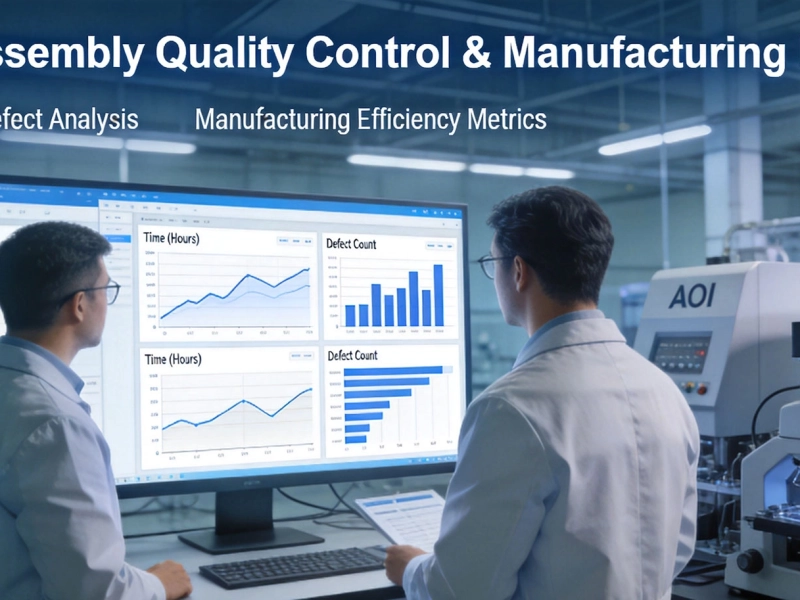
Top 10 Metrics for Evaluating the Best Turnkey PCB Assembly ManufacturersMay/26/2026

How Turnkey PCB Services Accelerate Time-to-Market for New ProductsSeptember/02/2026
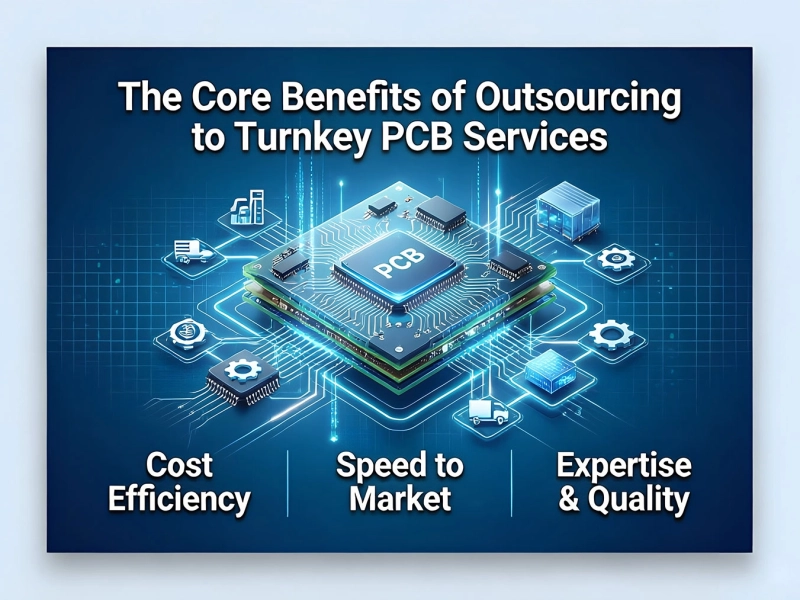
The Core Benefits of Outsourcing to Turnkey PCB ServicesJune/04/2026
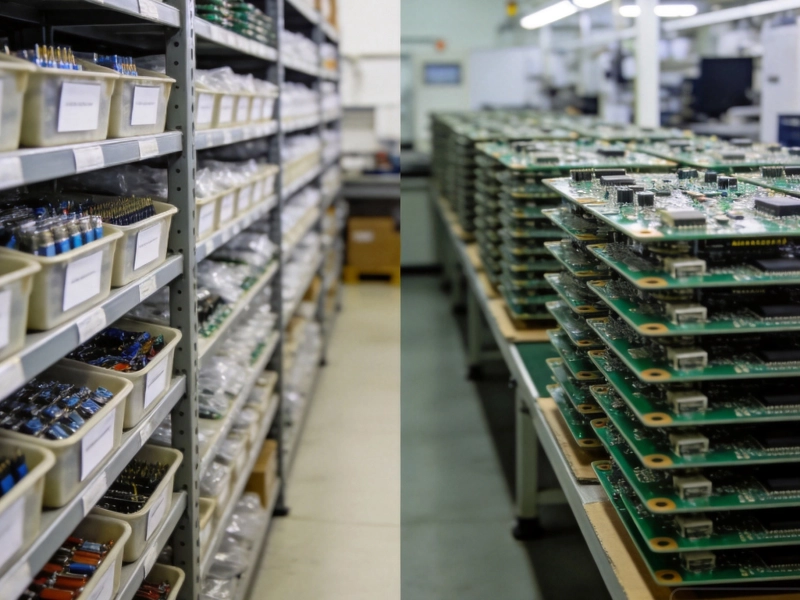
Turnkey PCB Services vs. Consignment: Which Model Fits Your Project?July/27/2026
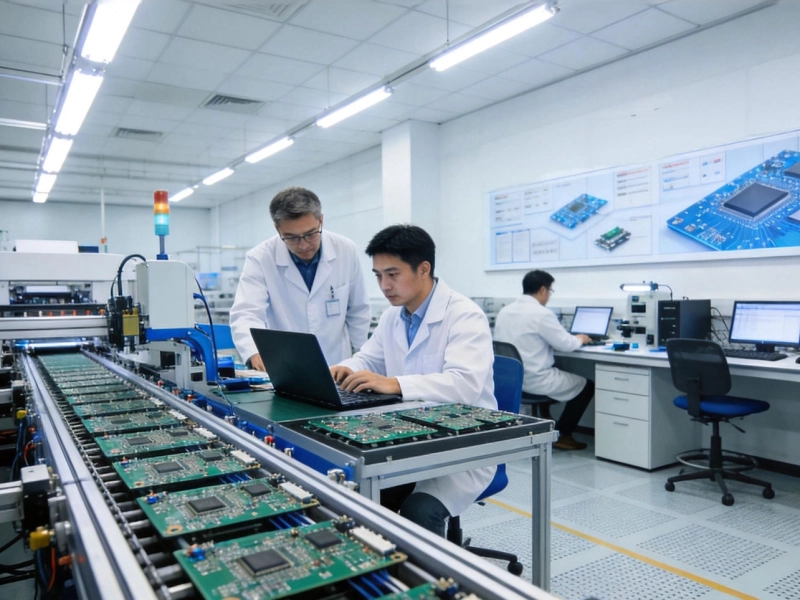
How to Choose the Best Turnkey PCB Assembly Partner in 2026May/26/2026
What Are Turnkey PCB Services?May/26/2026

Essential Questions to Ask Before Hiring Turnkey PCB ServicesSeptember/26/2026
Key Insights on DFM (Design for Manufacturing) in Turnkey ProjectsJuly/26/2026