
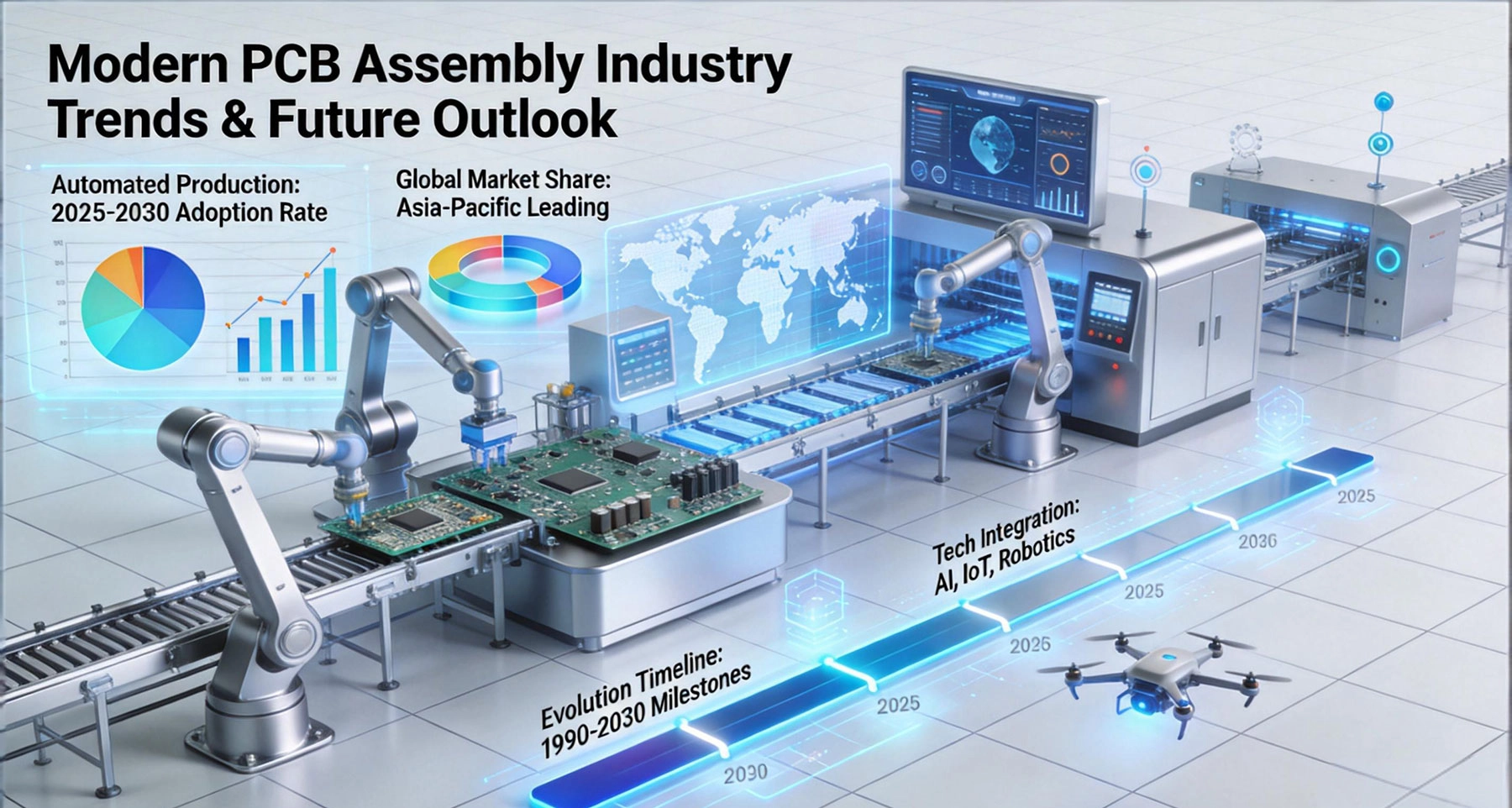
The Turnkey PCB Assembly industry in 2026 stands at a pivotal transformation point. After years of Supply Chain disruptions, technology acceleration, and market restructuring, the Electronics Manufacturing sector has evolved into a more resilient, technologically sophisticated ecosystem. Understanding these industry trends isn't optional anymore—it's essential for manufacturers, product developers, and Supply Chain strategists navigating competitive markets.
Market analysis reveals significant shifts in manufacturing geography, technology adoption patterns, and customer expectations. Traditional low-cost manufacturing regions face new competitive pressures from automation-driven facilities in developed markets. Customers demand faster turnarounds, higher quality standards, and integrated services beyond basic assembly. Supply Chain Resilience has replaced pure cost optimization as the primary strategic priority.
This comprehensive analysis examines the defining trends shaping Turnkey PCB Assembly in 2026, providing insights for stakeholders positioning themselves in an evolving industry landscape. From automation technologies to sustainability requirements, regional market shifts to quality management innovations, these trends will influence partnership decisions and competitive strategies throughout the coming years.
The most significant trend reshaping Pcb Assembly trends 2026 is widespread automation adoption. Manufacturers who previously relied on manual processes and operator-dependent quality control have invested heavily in automated equipment, AI-powered inspection systems, and smart factory infrastructure. This transformation addresses quality consistency demands, labor cost pressures, and throughput requirements simultaneously.
Key automation developments:
Manufacturers who've implemented comprehensive automation report first-pass yield improvements of 15-25%, lead time reductions of 30-50%, and labor cost decreases that offset higher capital equipment investments. For customers, automation means more consistent quality, faster delivery, and better traceability—but also requires partnership with technologically capable manufacturers who can maintain sophisticated equipment.
Supply chain vulnerability exposed by recent disruptions has driven fundamental shifts in manufacturing geography. The traditional concentration of Pcb Assembly in low-cost Asian regions has given way to distributed manufacturing strategies with facilities across multiple regions. Customers increasingly prioritize Supply Chain Resilience over pure cost optimization.
Regional manufacturing shifts:
Market analysis shows customers increasingly requesting manufacturing options across regions. Those developing products for North American markets often prefer Local Manufacturing to reduce lead times and supply chain exposure. European manufacturers benefit from proximity to customers and reduced logistics complexity. Asian facilities remain competitive for high-volume global distribution and standardized products where cost efficiency dominates.
Environmental considerations have evolved from peripheral concerns to core business requirements in PCB market analysis. Customers, regulators, and market expectations increasingly demand sustainable manufacturing practices, environmental certifications, and transparent compliance documentation.
Sustainability developments:
Manufacturers without strong environmental programs increasingly face competitive disadvantages. Customers targeting environmentally conscious markets require sustainability documentation throughout their supply chains. European regulations, North American corporate sustainability commitments, and global brand environmental requirements make sustainability capability a partnership prerequisite rather than optional differentiation.
Quality expectations continue escalating as products become more complex and reliability requirements intensify. Traditional testing approaches—basic functional checks and visual inspection—no longer meet customer demands for comprehensive quality verification. Manufacturers have expanded testing capabilities and integrated sophisticated quality management systems.
Testing capability expansion:
Quality management has shifted from reactive defect correction to proactive process optimization. Manufacturers tracking defect patterns, analyzing root causes, and implementing systematic improvements achieve consistent quality that reactive inspection can't match. Customers evaluating partners increasingly prioritize data-driven quality management over simple testing capability claims.
Customer communication expectations have transformed alongside digital technology capabilities. Traditional email-based coordination and periodic status updates no longer meet customer demands for real-time information access and seamless Project Management integration.
Digital communication developments:
Manufacturers with strong digital integration provide transparency and convenience that builds customer confidence. Partners lacking digital capabilities struggle with communication gaps that create coordination friction and uncertainty. Customer portal access, automated updates, and integrated systems have become partnership evaluation criteria alongside traditional capability metrics.
Component availability challenges have fundamentally altered Supply Chain Management approaches. Manufacturers who previously relied on single-source procurement and minimal buffer inventory have developed more sophisticated sourcing strategies emphasizing resilience over pure cost efficiency.
Supply chain strategy shifts:
Manufacturers demonstrating supply chain resilience provide partnership value beyond basic procurement capability. They maintain component availability during market shortages, prevent counterfeit component exposure through authorized sourcing, and proactively manage obsolescence risks. Customers evaluating partners increasingly assess supply chain strategy sophistication rather than just quoted lead times.
Market segmentation has intensified as manufacturers develop specialized capabilities for specific application areas. General-purpose assembly services have given way to industry-focused offerings addressing medical device requirements, automotive standards, aerospace applications, Industrial Electronics demands, and consumer product cost pressures.
Specialization trends:
Customers increasingly seek manufacturers with application-specific expertise rather than general capability claims. Partners understanding industry-specific requirements, regulatory standards, and application challenges provide value beyond basic assembly services. Manufacturers without specialized focus face competitive pressure from segment-focused competitors who demonstrate relevant expertise.
The global Turnkey Pcb Assembly market continues expanding driven by electronics proliferation across industries. Automotive Electronics integration, IoT device deployment, medical device advancement, industrial automation adoption, and Consumer Electronics innovation fuel sustained demand growth. Market projections indicate continued expansion through 2030, with regional growth rates varying based on local electronics industry development.
Market growth drivers:
In a growing but competitive market, manufacturers differentiate through capability sophistication, service integration, quality performance, and customer experience rather than pure price competition. Cost-only competitive strategies increasingly fail as customers prioritize value factors beyond pricing.
Differentiation dimensions:
Pricing models have evolved from simple unit-cost quotations to integrated service pricing reflecting comprehensive turnkey offerings. Manufacturers increasingly bundle fabrication, assembly, components, testing, and support services into single quotations, though itemized breakdowns remain available for customer verification.
Automation investments have altered cost structures, reducing labor cost significance while increasing capital equipment and technology overhead. Manufacturers with comprehensive automation often achieve competitive pricing despite higher facility investments, through labor efficiency and quality consistency improvements.
Regional manufacturing expansion has created pricing differentiation across geography. Developed market manufacturing with higher labor and facility costs competes through automation efficiency and value-added services rather than pure cost matching. Customers evaluating pricing increasingly consider total cost including logistics, lead time impact, and supply chain risk rather than unit price alone.
These industry trends directly affect product development strategies and manufacturing partnership decisions. Understanding trend implications enables informed partnership selection and strategic manufacturing planning.
Strategic recommendations:
Manufacturers positioning competitively in 2026 must align capabilities with evolving market expectations. Strategic investments addressing trend requirements enable differentiation and sustainable competitive positioning.
Strategic investment priorities:
Supply chain strategy must adapt to manufacturing landscape evolution. Procurement approaches emphasizing pure cost optimization require adjustment to address resilience requirements and quality performance expectations.
Procurement strategy adjustments:
Current trends will intensify and new developments will emerge as the electronics manufacturing industry continues evolving. Understanding trajectory enables strategic positioning for upcoming market requirements.
New technologies entering Manufacturing Operations will create capability differentiation opportunities:
Manufacturers adopting emerging technologies early will establish competitive advantages. Partners maintaining traditional approaches will face increasing competitive pressure as technology capabilities become market expectations.
The Turnkey Pcb Assembly industry in 2026 operates under fundamentally different dynamics than previous years. Automation transformation, regional manufacturing diversification, sustainability integration, quality management evolution, digital communication advancement, supply chain resilience emphasis, and application specialization define competitive positioning requirements.
These trends aren't temporary adjustments—they represent permanent industry transformation requiring strategic response. Manufacturers, product developers, and supply chain professionals must align strategies with trend requirements or face competitive disadvantages in evolving markets.
Successful positioning requires understanding trend implications deeply, not superficially. Automation affects quality metrics, not just throughput. Regional manufacturing impacts supply chain strategy, not just logistics. Sustainability influences partnership viability, not just regulatory compliance. Comprehensive trend understanding enables informed strategic decisions.
Use this industry analysis to inform partnership evaluation, strategic planning, and competitive positioning. The trends defining 2026 will intensify through coming years, making trend-aligned positioning essential for sustainable success in the evolving electronics manufacturing trends landscape.
Automation has shifted cost structures from labor-intensive to capital-intensive. Manufacturers with comprehensive automation often achieve competitive pricing despite higher equipment investments, through labor efficiency gains and quality consistency improvements that reduce rework costs and production delays.
Supply chain resilience has become primary strategic priority after recent disruptions. Regional manufacturing reduces lead times, logistics complexity, and supply chain vulnerability. Automation advancements have made developed market manufacturing cost-competitive with traditional low-cost regions for many applications.
ISO 14001 environmental management certification, RoHS and lead-free compliance, energy-efficient operations, waste management programs, and carbon footprint tracking have become standard expectations. Customers targeting environmentally conscious markets require comprehensive sustainability documentation throughout supply chains.
Differentiation increasingly occurs through capability sophistication, quality performance metrics, service integration, customer experience quality, and supply chain resilience rather than pure price competition. Specialized application expertise and demonstrated quality achievement provide competitive advantages.
X-ray inspection for BGA assemblies, in-circuit testing in standard production flows, and environmental stress testing have become widespread requirements. Real-time defect tracking, statistical process control, and comprehensive testing documentation support quality management and regulatory compliance expectations.

Best Turnkey PCB Assembly Services: Balancing Cost, Quality, and SpeedJuly/01/2026
Zero-Defect Strategies in Turnkey PCB Assembly for Safety-Critical Auto PartsOctober/19/2026
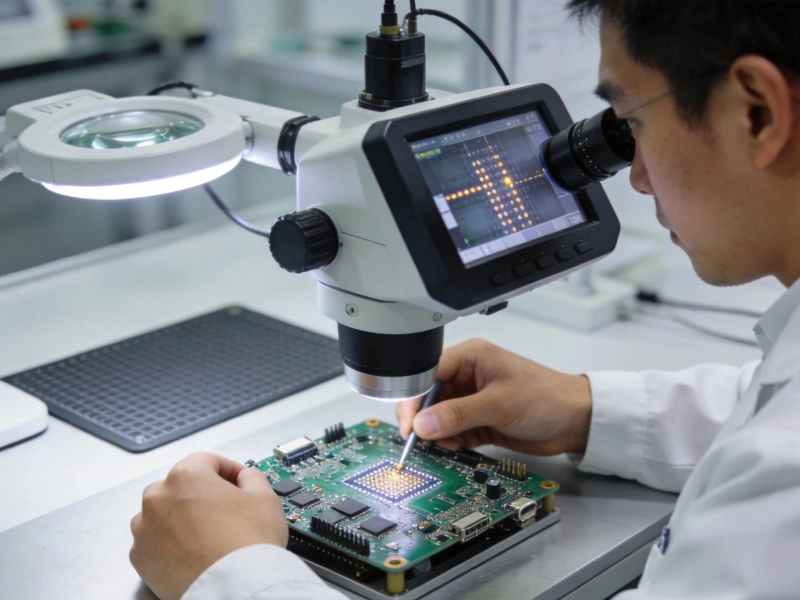
Quality Control Standards in Turnkey SMT Assembly (IPC-A-610 Explained)July/07/2026
The Optimal Balance of Cost, Quality, and Speed in One-Stop PCB Assembly ServiceJune/02/2026
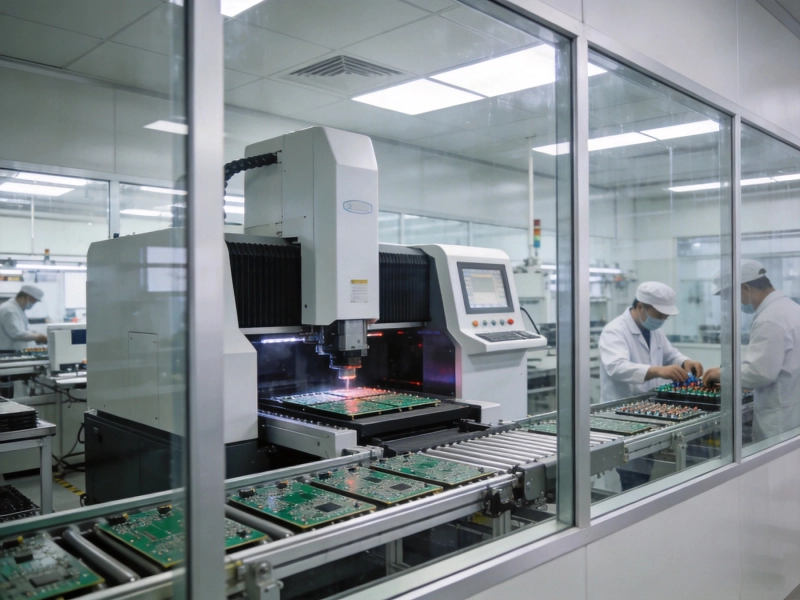
Why Transparency is the Key Feature of the Best Turnkey PCB Assembly ProvidersJuly/24/2026
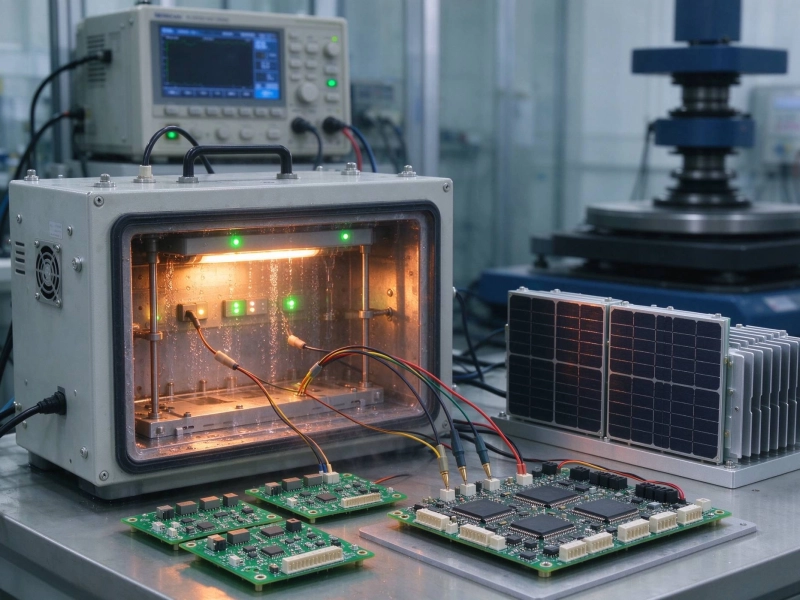
Reliability Standards for Turnkey PCB Assembly in Solar Energy SystemsOctober/16/2026
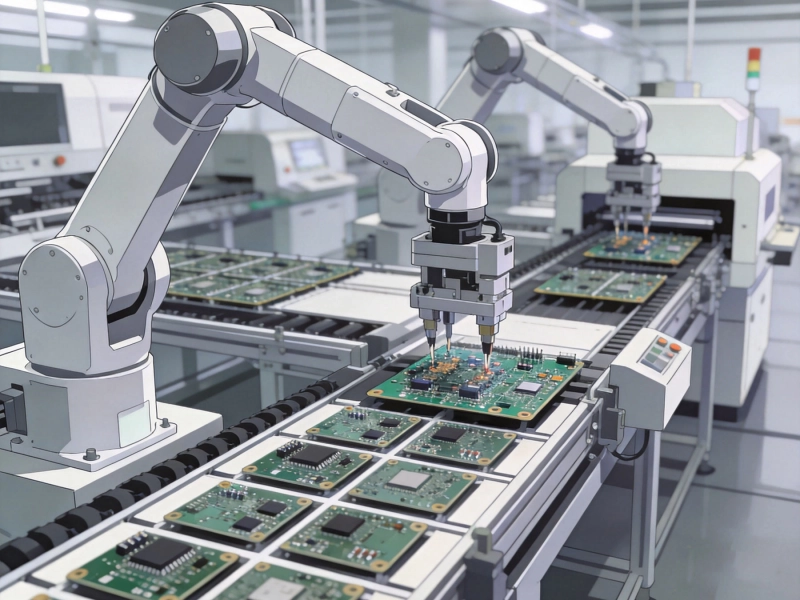
Turnkey PCB Assembly Insights: The Shift Towards High-Mix Low-Volume ProductionJuly/02/2026
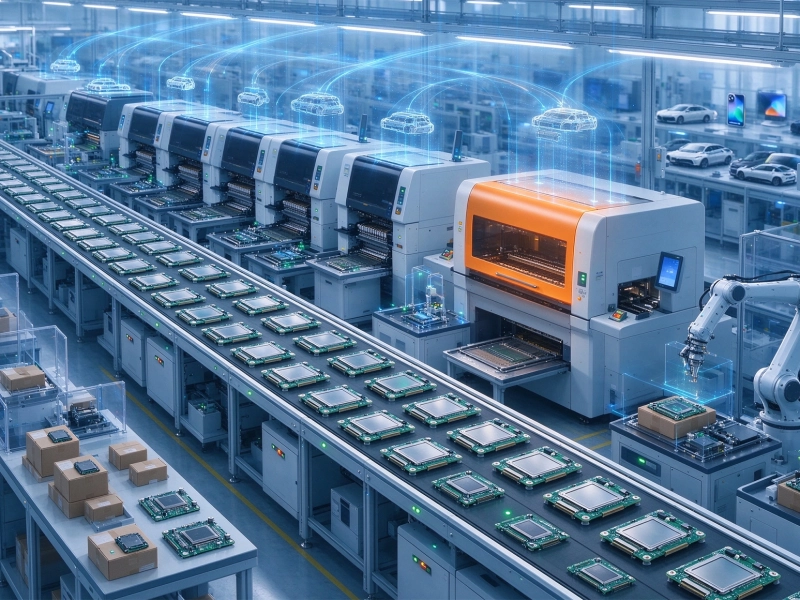
Best Turnkey PCB Assembly for High-Volume Consumer GadgetsOctober/15/2026