
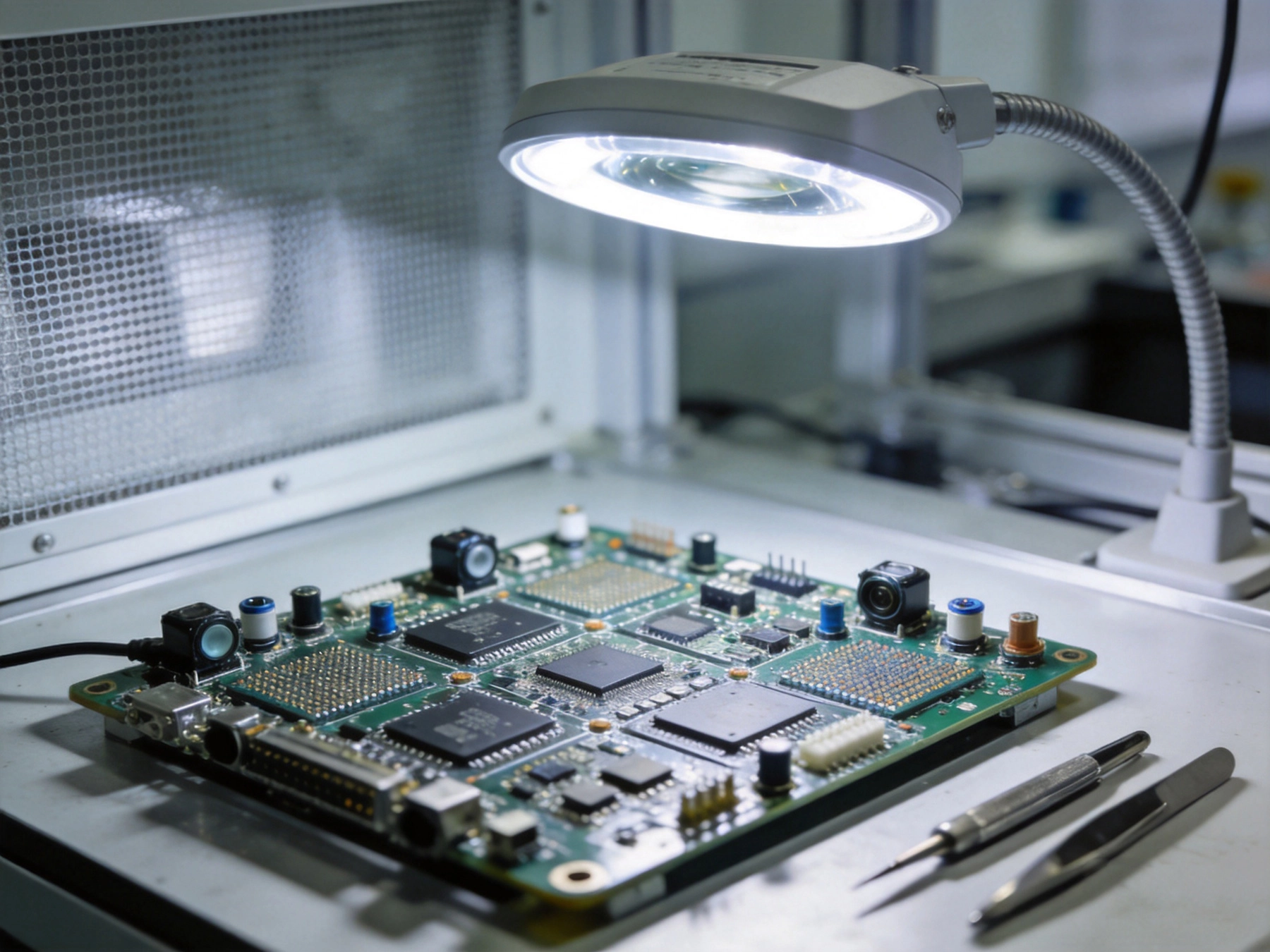
Flight control systems and navigation equipment demand the highest levels of reliability and precision in Pcb Assembly. Turnkey PCB Assembly services provide a comprehensive solution for aerospace manufacturers who need guaranteed quality, traceability, and compliance with stringent aviation standards. Understanding what makes Turnkey Assembly different and why it matters for flight-critical applications can help you make informed decisions for your avionics projects.
Understanding Turnkey PCB Assembly for Avionics
Turnkey Pcb Assembly goes beyond basic circuit board manufacturing. It encompasses the entire production process from Component Sourcing and procurement through final testing and delivery. For flight control and navigation systems, this integrated approach is essential because it ensures consistent quality control across every aspect of production.
The complexity of modern avionics makes Turnkey Assembly particularly valuable. Flight control systems integrate multiple subsystems including:
Each subsystem requires specialized PCB assemblies with unique requirements. Turnkey providers manage this complexity by offering unified quality systems, documentation, and Project Management across all assemblies.
Aviation applications impose requirements far beyond those of commercial electronics. PCB assemblies for flight control systems must meet multiple standards and demonstrate reliability under extreme conditions.
Flight control PCBs operate in harsh environments with wide temperature ranges, significant vibration, and varying humidity levels. Assemblies must function reliably from -55°C to +125°C in many applications. Thermal cycling, mechanical shock, and vibration testing verify that solder joints, component attachments, and board materials will survive years of operation in demanding conditions.
Conformal Coating application protects against moisture, dust, and chemical contamination. Common coatings for avionics include acrylic, silicone, and urethane materials, each offering different protection characteristics. The coating process must be carefully controlled to ensure complete coverage without affecting sensitive components or connectors.
Electromagnetic interference poses significant risks in aircraft where multiple electronic systems operate in close proximity. Flight control PCBs require careful design and assembly to minimize EMI emissions and susceptibility. This includes proper grounding techniques, controlled impedance routing, and appropriate shielding implementation during assembly.
Counterfeit components represent a serious threat to flight safety. Turnkey assembly providers implement rigorous Component Sourcing procedures, working only with authorized distributors and maintaining complete traceability from manufacturer to final assembly. Each component lot is documented, allowing complete material traceability if issues arise during service.
Turnkey Pcb Assembly for flight control requires adherence to specific aerospace and military standards. Understanding these requirements helps in evaluating potential manufacturing partners.
AS9100 is the aerospace industry's quality management standard, building on ISO 9001 with additional requirements specific to aviation, space, and defense. Manufacturers holding AS9100 certification have demonstrated capabilities for configuration management, risk mitigation, and product safety that exceed general quality standards.
IPC Class 3 represents the highest workmanship standard for electronic assemblies, required for products where continued operation is critical. This standard demands smaller acceptable defect windows, more stringent inspection criteria, and higher reliability requirements than Class 2 commercial assemblies.
Military and defense applications often require compliance with MIL-STD specifications for PCB Fabrication and assembly. These specifications cover materials, construction methods, testing procedures, and documentation requirements specific to defense applications.
RTCA DO-160 defines environmental test conditions and procedures for airborne equipment. PCB assemblies may undergo testing for altitude, temperature variation, humidity, shock, vibration, and electromagnetic effects according to equipment category and installation location.
Turnkey assembly for flight control systems follows a structured process designed to ensure quality at every stage.
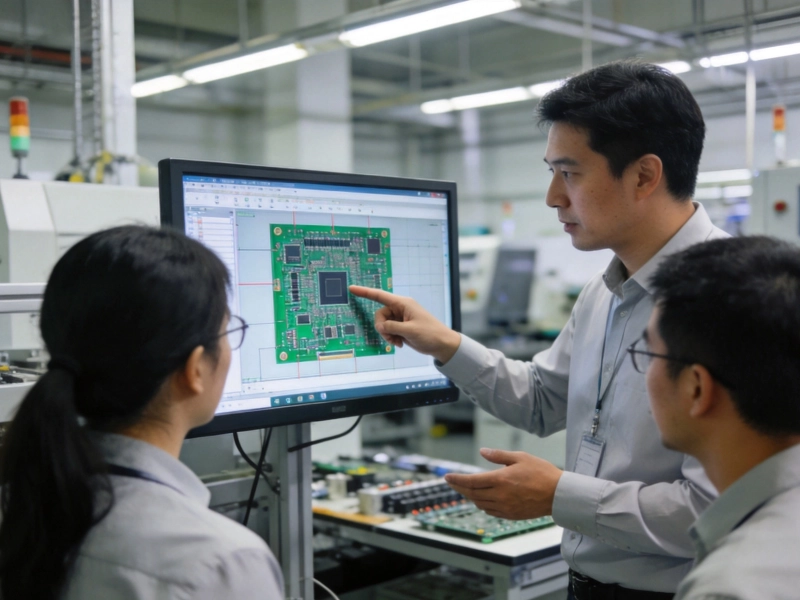
The process begins with thorough Design Review. Experienced engineers analyze PCB layouts for manufacturability issues that could affect reliability. This includes evaluating via structures, Thermal Management, component placement, and board stackup. Design recommendations are communicated to customers to optimize assemblies for both performance and manufacturability.
For flight control applications, Design Review also addresses derating requirements, redundancy implementation, and failure mode analysis. These proactive steps identify potential issues before production begins, reducing risk and improving final product reliability.
Component sourcing for avionics requires specialized expertise. Many flight control systems require components with extended temperature ranges, hermetic packaging, or specific military part numbers. Turnkey providers maintain relationships with authorized distributors and understand the nuances of aerospace component specifications.
Inventory Management ensures components are available when needed while minimizing obsolescence risks. For long production runs, turnkey providers monitor component lifecycle status and recommend alternative solutions when components approach end-of-life.
SMT and through-hole assembly processes must meet Class 3 requirements. Solder Paste Printing, component placement, and reflow profiling are optimized for each design. Lead-free Soldering is common, though some legacy systems still require tin-lead solders, and turnkey providers must accommodate both.
Hand soldering for through-hole components and rework operations requires certified operators following documented procedures. All soldering operations are performed by J-STD-001 certified technicians with regular skill assessments to maintain proficiency.
Environmental protection is critical for flight control PCBs. Conformal Coating application follows IPC-CC-830 standards, with coating thickness verification and adhesion testing. Selective coating equipment ensures precise application without affecting connectors or test points.
Some applications require potting compounds for additional mechanical protection or Thermal Management. Potting material selection and application processes are documented and controlled to ensure consistent protection across all assemblies.
Comprehensive testing distinguishes turnkey avionics assembly from commercial Electronics Production. Multiple test stages verify functionality and identify potential defects before shipment.
In-circuit testing verifies component values and detects manufacturing defects such as opens, shorts, and incorrect components. Bed-of-nails fixtures provide access to test points, while flying probe systems offer flexibility for low-volume production without fixture costs.
Functional testing simulates operating conditions to verify board performance. Custom test fixtures and software exercise all functions, measuring analog and digital performance against specifications. For navigation systems, this may include GPS signal simulation, inertial sensor verification, and communication interface testing.
Many flight control assemblies undergo environmental stress screening (ESS) including temperature cycling and random vibration. These screens identify latent defects that could cause field failures. Screening profiles are tailored to application requirements and customer specifications.
X-ray inspection reveals hidden defects in BGA and QFN solder joints, via filling quality, and internal layer alignment. Advanced X-ray systems provide detailed images that enable quality verification without destructive testing.
Aerospace applications require extensive documentation throughout the assembly process. Turnkey providers maintain complete records including:
This documentation supports certification requirements and provides the traceability needed for failure analysis if issues arise during service. Digital documentation systems enable quick access to records while maintaining security and revision control.
Choosing the right manufacturing partner for flight control PCBs requires careful evaluation of capabilities and experience.
Look for providers with demonstrated experience in avionics and flight-critical applications. Request examples of similar projects and customer references. Experience with navigation systems, flight controls, or engine controls indicates relevant capabilities.
AS9100 certification demonstrates commitment to aerospace quality requirements. Additional certifications such as NADCAP for special processes indicate deeper capabilities. Verify that certifications are current and cover the specific processes you need.
Assess equipment capabilities including SMT line specifications, test equipment, and environmental testing facilities. For complex assemblies, capabilities such as HDI fabrication, flexible circuits, and metal-core PCBs may be required.
Strong engineering support helps optimize designs and resolve issues quickly. Evaluate the depth of technical staff and their experience with aerospace applications. Responsive engineering communication is essential for successful projects.
Component sourcing expertise is critical for avionics where specialized components and long product lifecycles are common. Understand the provider's supplier relationships, counterfeit mitigation procedures, and obsolescence management approach.
Turnkey assembly for flight control systems commands premium pricing compared to commercial electronics. Several factors influence cost:
However, the total cost of ownership for turnkey assembly may be lower than managing multiple suppliers. Integrated quality systems reduce coordination overhead and the risk of communication failures between suppliers.
The aviation industry continues to evolve, driving changes in PCB assembly requirements.
Modern aircraft contain more electronic systems than ever before, from fly-by-wire controls to advanced navigation and communication systems. This growth drives demand for Turnkey Assembly Services capable of managing complex multi-board systems.
Space constraints in aircraft drive demand for smaller, denser PCB assemblies. HDI technology, embedded components, and advanced packaging enable continued miniaturization while maintaining reliability.
Electric propulsion systems require Power Electronics with unique requirements for current handling, thermal management, and EMI control. Turnkey providers are developing capabilities for high-power assemblies while maintaining aerospace quality standards.
Unmanned aerial vehicles and autonomous flight systems increase demand for redundant, highly reliable flight control assemblies. These applications may have different certification requirements but maintain high reliability expectations.
Turnkey Pcb Assembly for flight control systems and navigation requires specialized capabilities beyond general Electronics Manufacturing. The combination of stringent quality standards, environmental requirements, and documentation needs makes selecting the right manufacturing partner critical to project success.
Experienced turnkey providers offer more than manufacturing capacity—they bring engineering expertise, quality systems, and Supply Chain management that reduce risk and ensure reliable products. For flight-critical applications where failure is not an option, the comprehensive approach of turnkey assembly provides the assurance that aviation demands.
When evaluating turnkey assembly partners for avionics projects, prioritize demonstrated aerospace experience, relevant certifications, and technical capabilities that match your requirements. The right partner becomes an extension of your engineering team, contributing to successful products that perform reliably throughout their service life.
AS9100 certification is essential for aerospace quality management. Additional certifications include IPC Class 3 for assembly workmanship, J-STD-001 for soldering, and potentially NADCAP for special processes. For military applications, relevant MIL-STD compliance may be required.
Lead times vary based on complexity and volume. Prototypes typically require 2-4 weeks including procurement. Production quantities may require 6-12 weeks. Component availability, testing requirements, and documentation needs all affect timing.
Testing typically includes in-circuit testing, functional testing, and often environmental stress screening. Additional tests may include X-ray inspection, thermal cycling, vibration testing, and burn-in depending on application requirements.
Some applications allow commercial components with appropriate derating and screening. However, many flight-critical systems require components with extended temperature ranges, hermetic packaging, or military qualifications. Your turnkey provider can advise on component selection for specific applications.
Documentation includes complete material traceability, process records, test results, certificates of conformance, and configuration management records. First article inspection reports per AS9102 are typically required for initial production. Digital documentation systems help manage these requirements efficiently.
Prevention strategies include sourcing only from authorized distributors or original manufacturers, component authentication testing, and maintaining complete traceability. AS9100 includes specific requirements for counterfeit parts prevention that certified manufacturers must follow.
Contact experienced turnkey assembly providers specializing in avionics applications. The right manufacturing partner brings the expertise, certifications, and quality systems needed to ensure your flight control and navigation systems meet the demanding requirements of aerospace applications.

Expert Insights on Reducing Supply Chain Risks in Turnkey PCB AssemblyJune/03/2026
The Best Turnkey PCB Assembly Solutions for Startups and SMEsAugust/15/2026

Cost Breakdown Insights: Where Does Your Money Go in Turnkey PCB Assembly?September/24/2026
The Ultimate Guide to Turnkey PCB Prototyping for Hardware EngineersMay/26/2026
Ruggedized PCB Assembly for Harsh Industrial EnvironmentsJuly/20/2026

Best Turnkey PCB Assembly for Consumer & IoT ElectronicsJune/16/2026
Key Insights on DFM (Design for Manufacturing) in Turnkey ProjectsJuly/26/2026

High Volume Turnkey PCBA: The Importance of Automated Assembly LinesSeptember/09/2026