Successfully launching an electronic product requires more than just a working prototype. The transition from turnkey Pcb Prototyping to high-volume mass production is one of the most critical and high-risk stages in product development. Many companies encounter unexpected delays, cost overruns, and quality issues during this transition, even when their prototypes performed perfectly. A structured, proactive approach to scaling your Pcb Assembly can help you avoid these pitfalls and bring your product to market on time and within budget.
Understanding Key Differences Between Prototyping and Mass Production
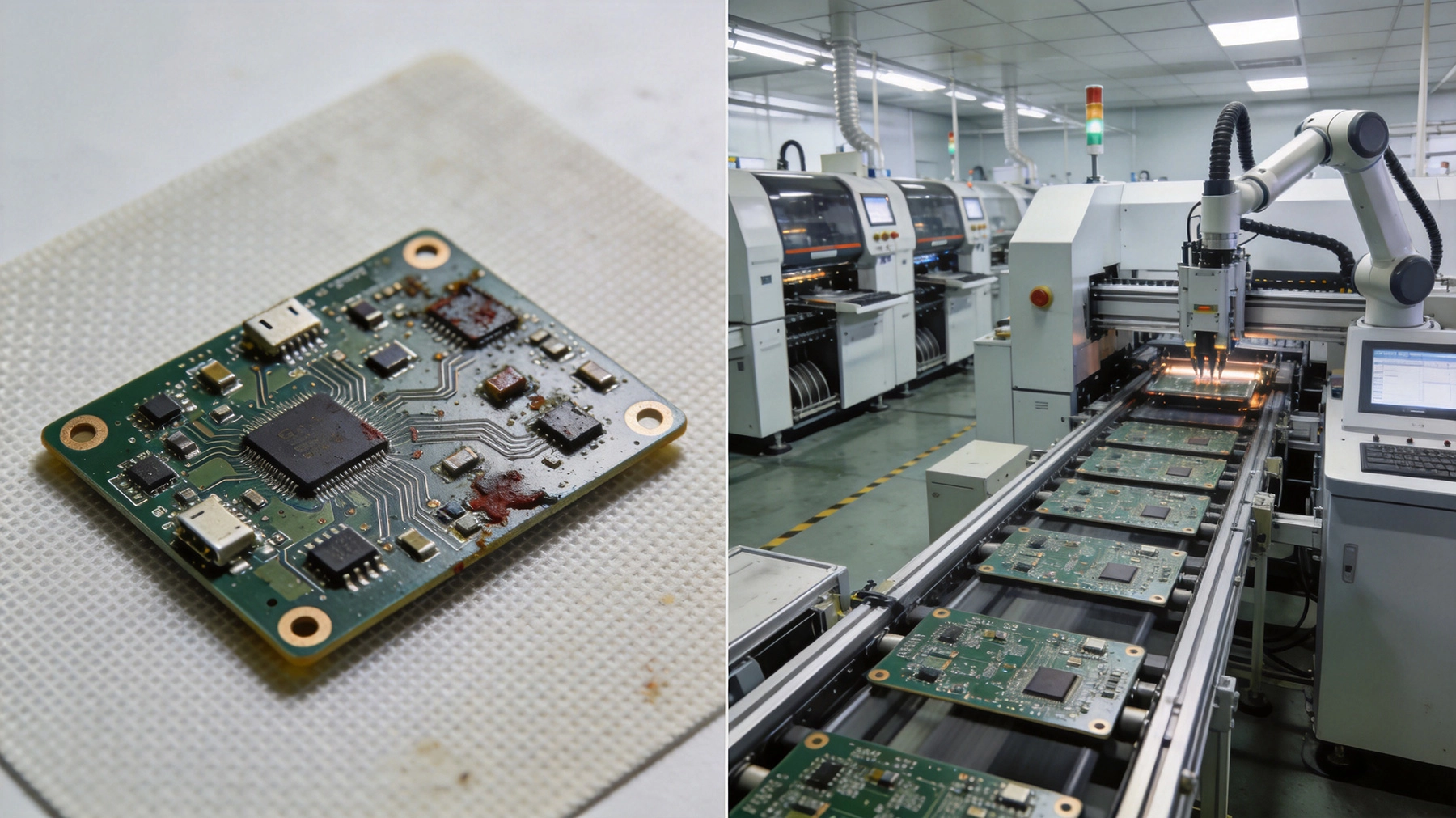
Turnkey Pcb Prototyping services are optimized for speed, flexibility, and rapid iteration, while mass production prioritizes consistency, cost efficiency, and scalability. These fundamental differences mean that a design that works perfectly in small prototype runs may face significant challenges when scaled to thousands or millions of units.
Core Differences to Account For:
-
Cost Structure: Prototyping has high per-unit costs but low upfront engineering fees, while mass production has lower per-unit costs but higher upfront tooling and setup costs.
-
Tolerance for Errors: Small defects in prototype runs can be corrected manually, but even a 1% defect rate in mass production can result in thousands of defective units and significant financial losses.
-
Component Sourcing: Prototypes often use small quantities of components purchased from distributors, while mass production requires reliable, high-volume component supply chains with qualified alternative sources.
-
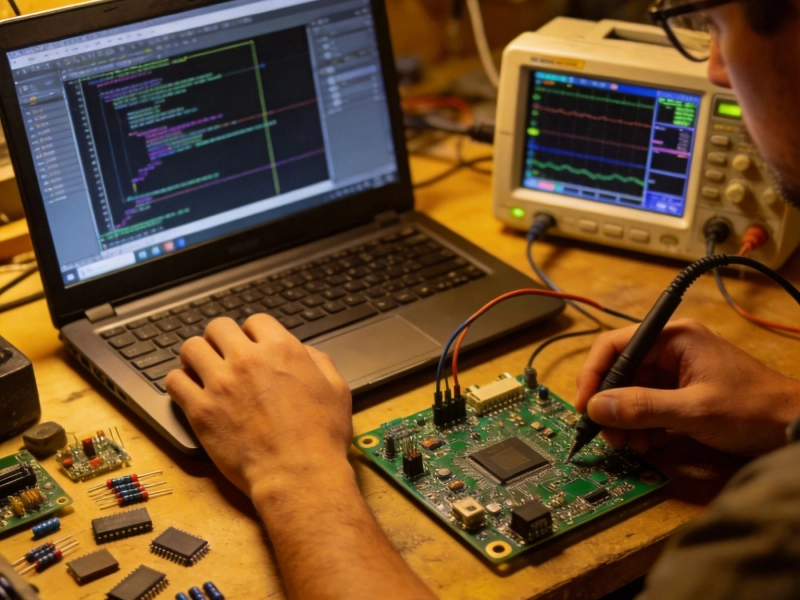
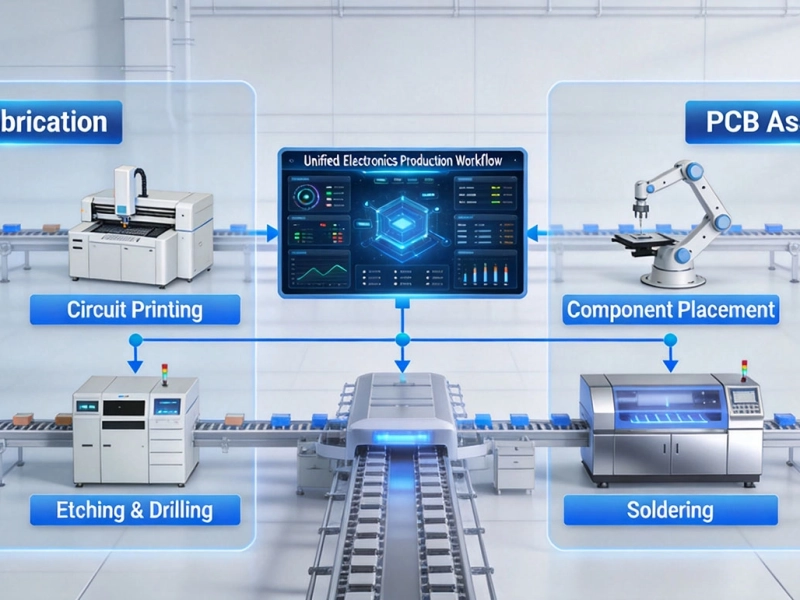
Process Consistency: Prototypes may be assembled with more manual intervention, while mass production relies on fully automated processes that require consistent, repeatable design characteristics.
-
Testing Requirements: Prototype testing focuses on functional validation, while mass production requires scalable, automated testing processes that can keep up with production throughput.
Pre-Transition Preparation: Lay the Groundwork for Scalability
The most successful transitions start long before you are ready to place your first mass production order. Preparing for scalability during the later stages of prototyping will save you significant time and resources later.
Design for Manufacturing (DFM) and Design for Assembly (DFA) Optimization
While many Turnkey Pcb prototyping services offer basic Dfm checks, these are often focused on making the prototype buildable, not optimized for mass production. Before transitioning:
-
Conduct a comprehensive Dfm/DFA review specifically for high-volume production, including analysis of component placement, solder joint reliability, and assembly process compatibility
-
Eliminate single-source components where possible, and qualify at least one alternative supplier for every critical component
-
Replace prototype-grade components with industrial-grade equivalents that have stable long-term production availability
-
Implement Design for Test (DFT) features such as test points, boundary scan capabilities, and built-in self-test functionality to enable efficient automated testing in production
-
Standardize component packages and footprints to reduce the number of unique parts and simplify assembly setup
Supply Chain Validation and Risk Mitigation
Component shortages are one of the most common causes of production delays. Before transitioning to mass production:
-
Work with your assembly partner to verify long-term availability of all components on your Bill of Materials (BOM)
-
Negotiate Volume Pricing and lead times with component suppliers for your expected production volumes
-
Develop a risk mitigation plan for high-risk components, including alternative part options and safety stock strategies
-
Verify that all components meet environmental and regulatory requirements for your target markets (RoHS, REACH, conflict minerals, etc.)
-
Consider consignment inventory arrangements for critical components to secure supply for your first 6-12 months of production
Pilot Production Validation
Never jump directly from prototype to full mass production. Use a phased pilot production approach to validate your design and manufacturing process:
-
EVT (Engineering Validation Test): Build 50-100 units to validate basic functionality and identify design issues that only appear at scale
-
DVT (Design Validation Test): Build 100-500 units using production-grade processes and components to test reliability, environmental performance, and compliance with standards
-
PVT (Production Validation Test): Build 500-2000 units using the full mass production line to validate process stability, yield rates, and production throughput
Each phase should include rigorous testing and process refinement before moving to the next stage.
Selecting the Right Mass Production Partner
Not all Turnkey Pcb prototyping providers are equipped to handle high-volume mass production. When selecting a production partner, evaluate:
-
Production Capacity: Ensure the provider can meet your current volume requirements and scale with your expected growth over the next 2-3 years
-
Quality Certifications: Verify they have the necessary certifications for your industry (ISO 9001, Iatf 16949 for automotive, Iso 13485 for medical, etc.)
-
Process Capabilities: Confirm they have experience with your specific design requirements (fine-pitch components, BGA, high-speed designs, etc.) at production volumes
-
Supply Chain Management: Evaluate their Component Sourcing capabilities, supplier relationships, and Inventory Management systems
-
Testing Capabilities: Ensure they can provide the automated testing services you need at production throughput rates
-
Location and Logistics: Consider proximity to your target market, shipping costs, lead times, and customs considerations for international production
If your Turnkey Pcb Prototyping provider also offers mass production services, they can be a good choice if they have the necessary capabilities, as they will already be familiar with your design. However, don't assume they are the best option without comparing to specialized mass production providers.
Executing a Smooth Transition Process
Once you have selected your production partner and completed pre-transition preparation, follow these steps to ensure a seamless handoff:
Complete and Accurate Design Handoff
Provide your production partner with complete, well-documented design files to avoid misinterpretation:
-
Full Pcb Design files (Gerbers, BOM, Pick And Place files, schematic diagrams)
-
Complete assembly documentation including solder mask specifications, component orientation guides, and special assembly requirements
-
Comprehensive testing specifications including test procedures, pass/fail criteria, and environmental testing requirements
-
All prototype and pilot production test data, including known issues and design revisions
-
Regulatory compliance documentation and certification requirements
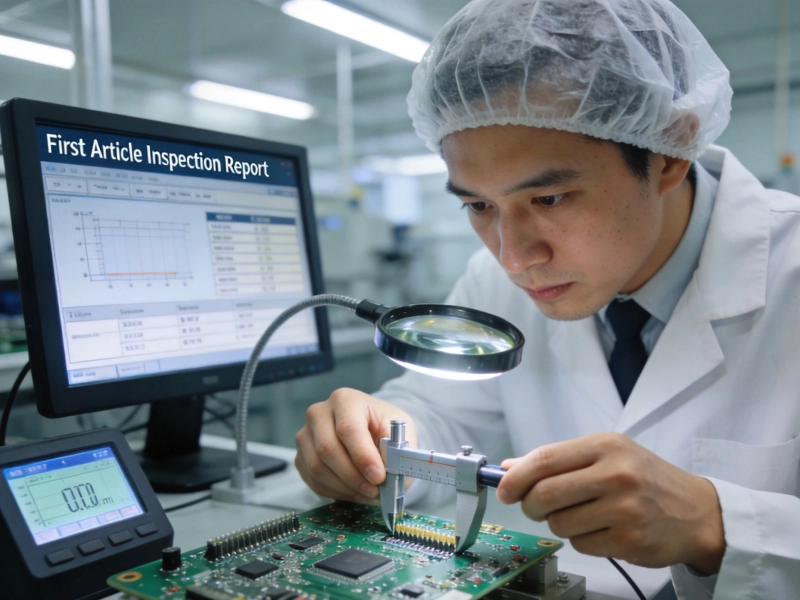
First Article Inspection (FAI) Validation
Before starting full production, require your partner to produce a small number of first articles for comprehensive inspection:
-
Conduct a full dimensional inspection of all PCB features and component placements
-
Perform functional and reliability testing on all first article units
-
Validate that all components meet BOM specifications and quality standards
-
Document any discrepancies and work with your partner to correct them before approving full production
Phased Production Ramp-Up
Rather than jumping to full production volume immediately, use a gradual ramp-up approach:
-
Start with 20-30% of your target production volume to validate process stability and yield rates
-
Monitor production metrics closely during the ramp-up, including yield rates, defect types, and throughput
-
Address any process issues immediately before increasing volume
-
Establish regular communication cadence with your production partner to resolve issues quickly
Common Transition Pitfalls and How to Avoid Them
-
Skipping DFM optimization: This is the single most common cause of production delays and quality issues. Invest in comprehensive DFM reviews early in the process.
-
Inadequate component supply planning: Global semiconductor shortages can delay production for months. Develop a robust Supply Chain strategy with alternative sources and safety stock.
-
Insufficient pilot production: Cutting corners on pilot runs to save time almost always leads to bigger delays later when issues appear in full production.
-
Poor documentation: Incomplete or inaccurate design files lead to misinterpretation and manufacturing errors. Invest time in creating clear, comprehensive documentation.
-
Ignoring yield rate optimization: A 90% yield rate may be acceptable for prototypes, but it will add significant cost in mass production. Work to optimize yield rates to 98%+ before full production.
-
Lack of change management process: Implement a formal change management process for any design modifications after production starts to avoid uncoordinated changes that cause quality issues.
Long-Term Mass Production Management
A smooth transition is just the first step. To maintain consistent quality and cost efficiency over the product lifecycle:
-
Conduct regular quality audits of your production partner's facilities and processes
-
Monitor supply chain risks continuously and update your risk mitigation plan as needed
-
Work with your partner to implement continuous process improvements to reduce costs and improve quality over time
-
Plan for end-of-life transitions, including last-time buys for obsolete components and design updates for future product revisions
Conclusion
Transitioning from Turnkey Pcb Prototyping to mass production is a complex process that requires careful planning, cross-functional collaboration, and attention to detail. By preparing for scalability early in the design process, validating your design and manufacturing process through phased pilot production, selecting the right production partner, and following a structured transition process, you can minimize risk, avoid costly delays, and bring your product to market successfully. The extra time invested in preparation during the prototyping stage will pay off significantly in smoother production, higher quality, and lower long-term costs.
Contact us to discuss your requirements.