Open Nav

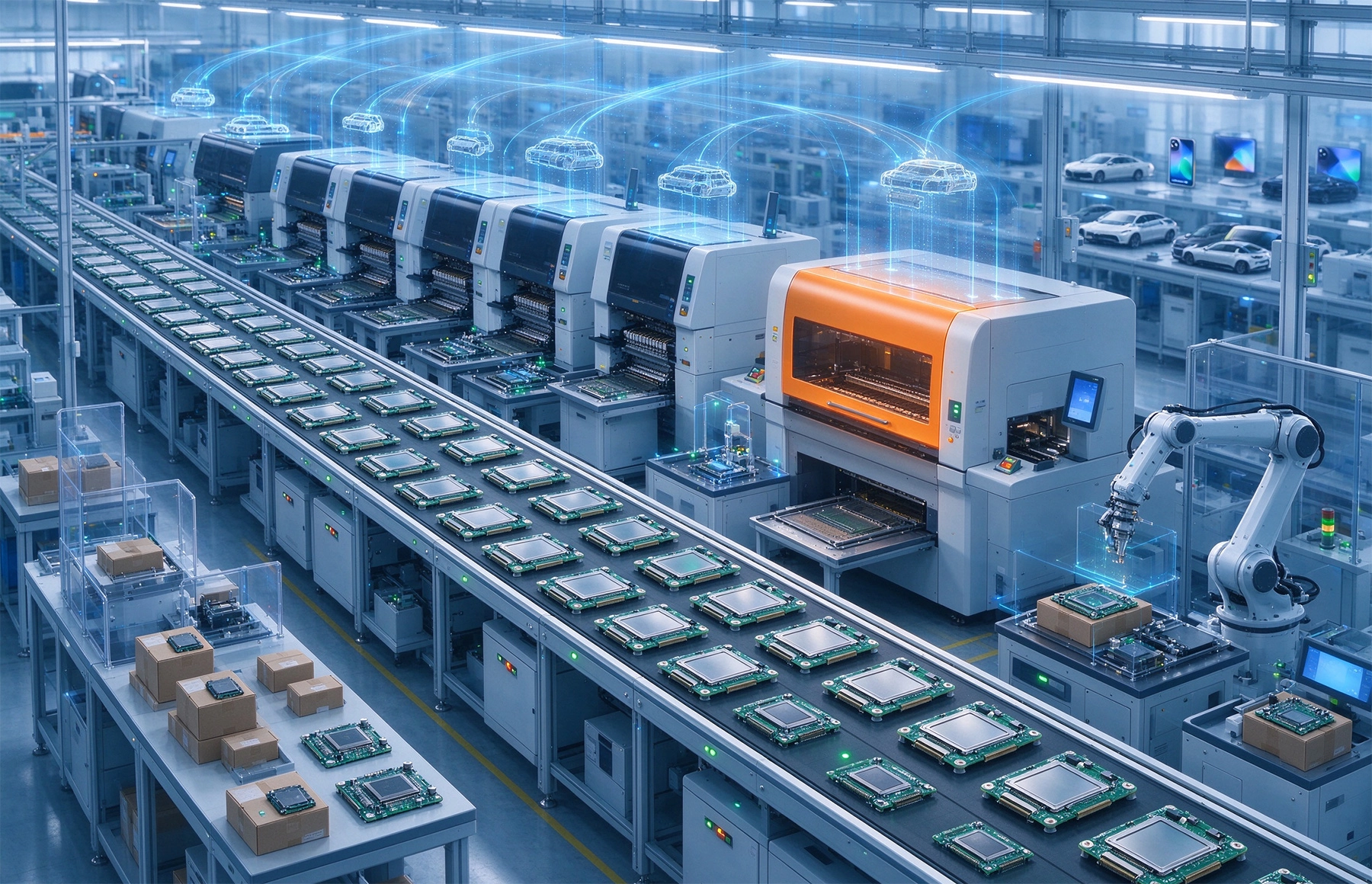
The Consumer Electronics market is unforgiving. Margins are thin, product lifecycles are short, and the demand for aesthetic perfection is absolute. Whether you are manufacturing smart wearables, wireless earbuds, or IoT home devices, the difference between a successful Product Launch and a logistical nightmare often comes down to one decision: choosing the right manufacturing partner. For startups and established brands alike, finding the Best Turnkey PCB Assembly for High-Volume Consumer Gadgets is the strategic key to scaling efficiently.
In this article, I will break down what "turnkey" truly means in the context of Mass Production, why it is superior for consumer goods, and the critical criteria you must evaluate when selecting an assembly partner to ensure your product hits the shelves on time.
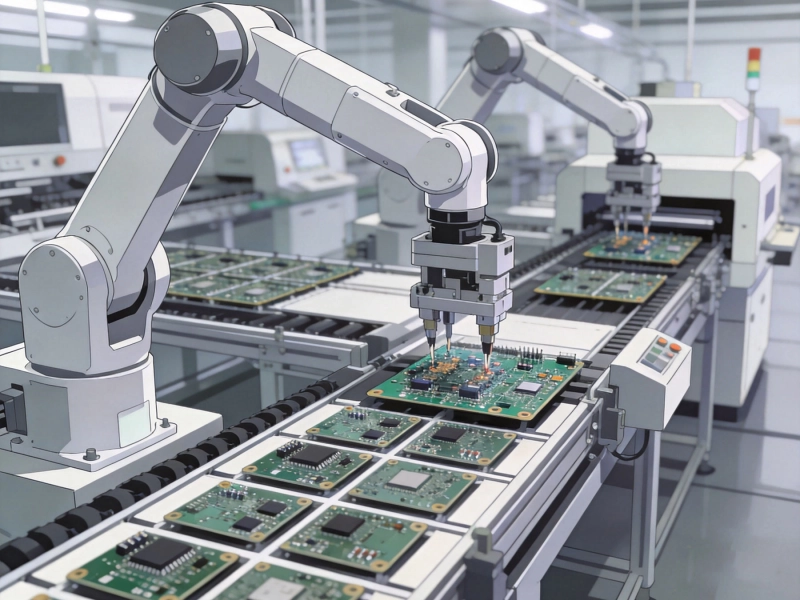
Turnkey PCB Assembly is a service model where a single manufacturer handles the entire production process. This includes PCB Fabrication, Component Sourcing (procurement), assembly (SMT and THT), testing, and often final box-build integration.
Contrast this with "Consigned" or "Kitted" assembly, where you, the client, must buy every resistor, capacitor, and IC from various distributors and ship them to the assembler. For high-volume consumer gadgets, managing that Supply Chain yourself is a recipe for disaster. A turnkey partner leverages their buying power and Supply Chain relationships to get you better pricing and faster lead times.
Consumer gadgets are distinct from industrial or Automotive Electronics. They are characterized by high aesthetics, miniaturization, and extreme cost sensitivity. When searching for the Best Turnkey Pcb Assembly for High-Volume Consumer Gadgets, you need a partner who understands these specific nuances.
Consumer gadgets often use popular, commodity components that are prone to shortages. A top-tier turnkey assembler maintains massive inventory buffers and has direct franchise accounts with major manufacturers (like Murata, Samsung Electro-Mechanics, and Texas Instruments). They can navigate allocation issues that would stall a smaller assembler, ensuring your production line never stops due to a missing 0402 capacitor.
To make gadgets sleek and portable, designs are shrinking. This means High Density Interconnect (HDI) boards with micro-vias and ultra-fine pitch components (like 0.4mm pitch BGAs or 0201 passives). The best turnkey providers have state-of-the-art SMT lines capable of placing these components with high precision (Cpk > 1.33) and the X-ray inspection capabilities to verify hidden solder joints.
In high-volume production, saving $0.01 per unit translates to thousands of dollars in profit. A good turnkey partner performs Design For Manufacturing (Dfm) analysis to suggest cost-saving alternatives—such as consolidating component values to increase buying volume or adjusting panelization to maximize board yield—without compromising quality.
Not all turnkey assemblers are created equal. Here is the checklist I use when vetting partners for high-volume consumer projects.
For high volume, you need speed. Look for facilities with high-speed modular pick-and-place machines (e.g., Fuji NXT or Siemens SX series). Ask about their Daily Capacity. Can they ramp up from 1,000 units to 100,000 units quickly? Automation should extend to their testing phase as well, utilizing Automated Optical Inspection (AOI) and In-Circuit Testing (ICT) to catch defects instantly.
Consumer returns can destroy a brand's reputation. Your partner must be ISO 9001 certified at a minimum. If your gadget connects to the cloud or handles sensitive data, ISO 27001 (Information Security) is also vital to protect your IP. Furthermore, ask about their First Article Inspection (FAI) process. A rigorous FAI ensures that the first board off the line is perfect before the rest of the batch is run.
The "Best Turnkey Pcb Assembly for High-Volume Consumer Gadgets" often extends beyond just the bare board. Can your partner install the PCB into the plastic enclosure, apply adhesives, screw it together, and package it for retail? Integrating "Box Build" services reduces logistics costs and simplifies your supply chain to a single point of contact.
Before a single component is ordered, the best turnkey partners will provide a comprehensive Dfm report. They will flag issues like insufficient annular rings, tombstoning risks for small passives, or thermal imbalances that could cause warping during reflow. Addressing these issues during the NPI (New Product Introduction) phase is significantly cheaper than fixing them during Mass Production.
Scaling a consumer gadget from a prototype to mass production is a complex journey. By choosing a partner that offers true turnkey solutions—handling everything from sourcing to final assembly—you free yourself to focus on innovation and marketing. The Best Turnkey Pcb Assembly for High-Volume Consumer Gadgets is one that acts not just as a vendor, but as a strategic extension of your engineering team, ensuring quality, speed, and cost-efficiency.
Initially, the unit price might look slightly higher due to the assembler's markup on parts. However, when you factor in your internal labor hours, shipping costs from multiple vendors, and the risk of buying wrong components, turnkey is almost always more cost-effective for high volumes.
Top-tier assemblers have dedicated supply chain teams who monitor the market daily. They will proactively suggest Alternative Components (cross-referencing) that are pin-to-pin compatible and available in stock, keeping your production on schedule.
This varies by complexity, but for standard consumer gadgets, a typical lead time ranges from 3 to 5 weeks. This includes PCB Fabrication, Component Sourcing (which is usually the bottleneck), assembly, and testing.
Zero-Defect Strategies in Turnkey PCB Assembly for Safety-Critical Auto PartsOctober/19/2026
Turnkey SMT Assembly: Handling 01005 Components and Micro BGAsJune/08/2026
Turnkey PCB Assembly Insights: 2026 Industry Trends and Market AnalysisMay/26/2026
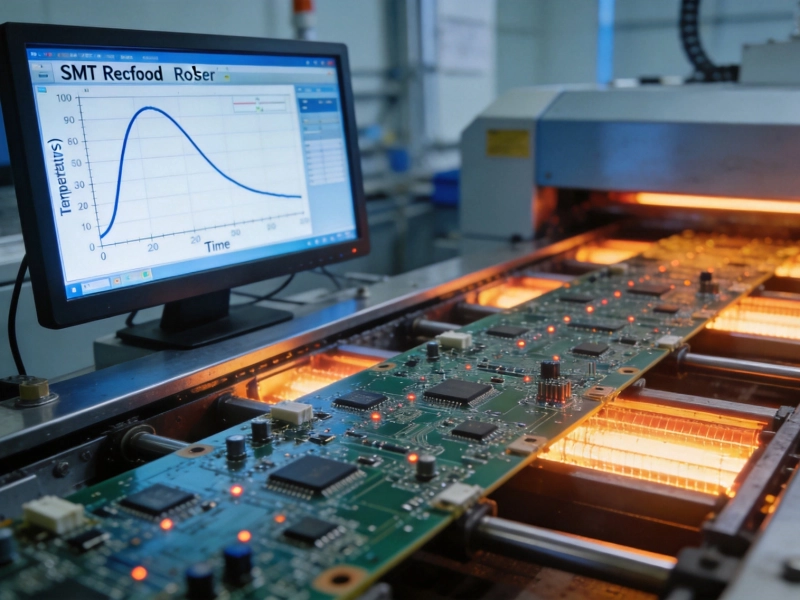
Optimizing Reflow Profiles for Flawless Turnkey SMT AssemblySeptember/30/2026
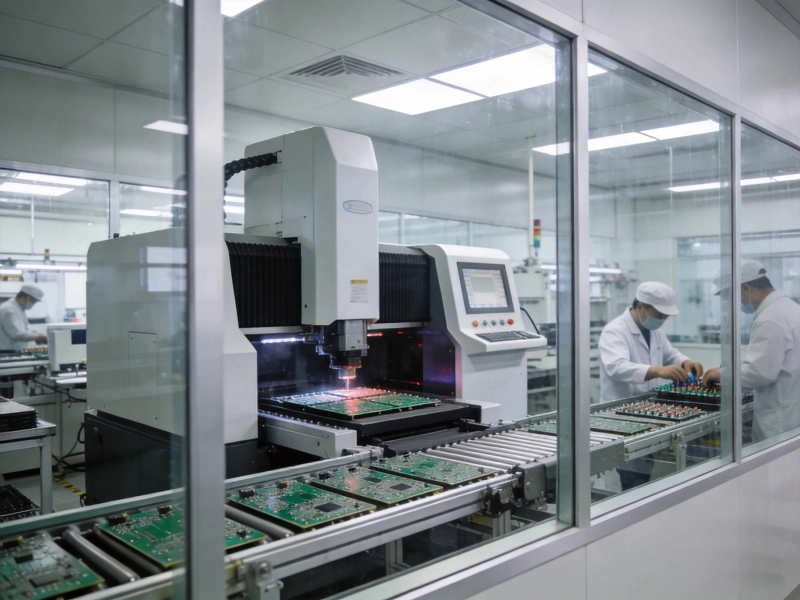
Why Transparency is the Key Feature of the Best Turnkey PCB Assembly ProvidersJuly/24/2026
Best Turnkey PCB Assembly Services: Balancing Cost, Quality, and SpeedJuly/01/2026
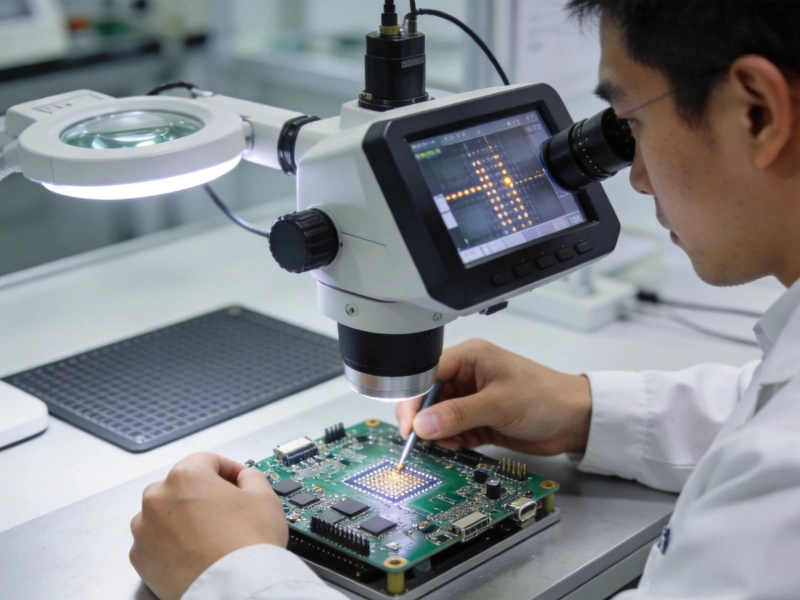
Quality Control Standards in Turnkey SMT Assembly (IPC-A-610 Explained)July/07/2026
Turnkey PCB Assembly Insights: The Shift Towards High-Mix Low-Volume ProductionJuly/02/2026