
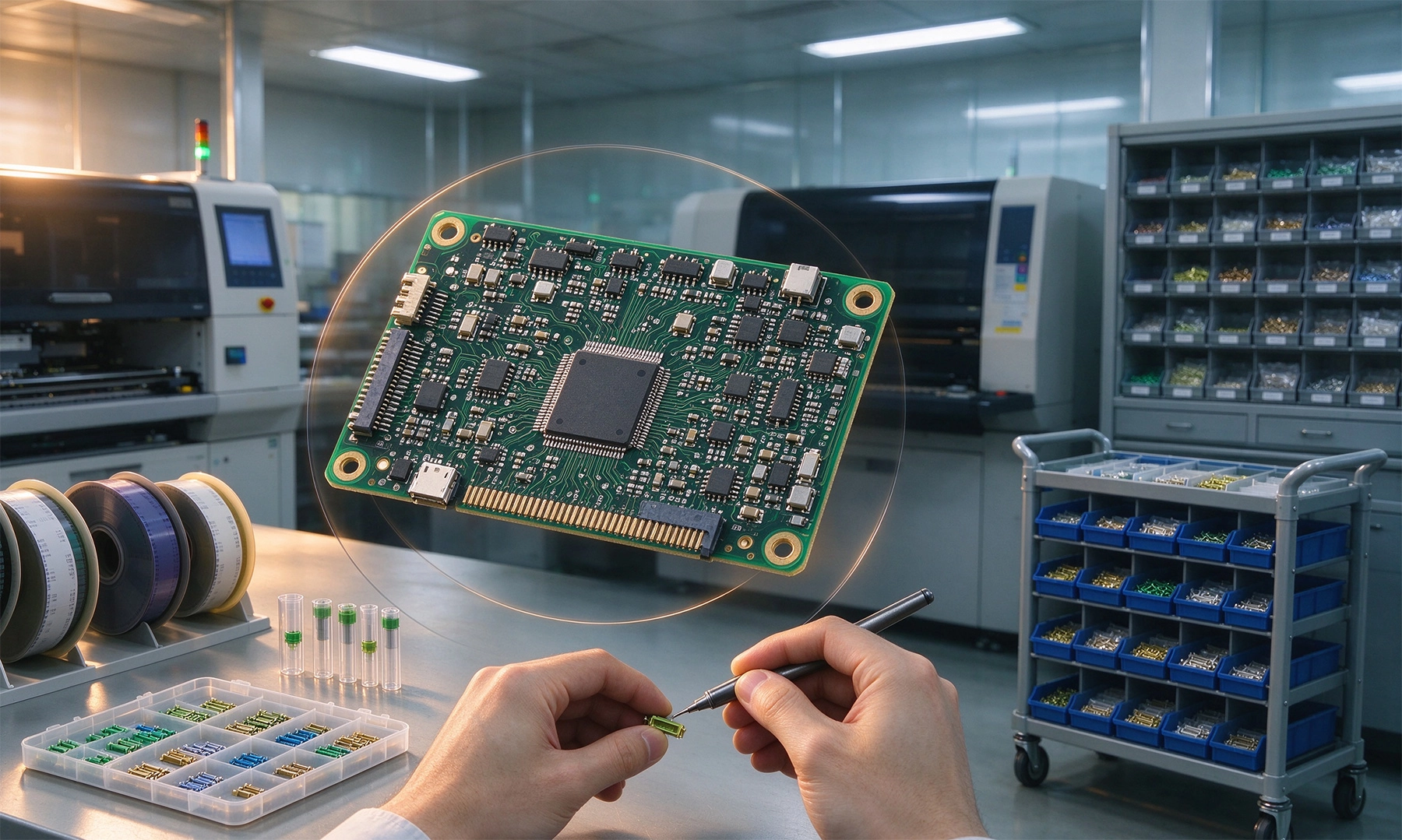
Low volume Turnkey Pcba is one of the most talked-about topics in Electronics Manufacturing today, especially for startups, R&D teams, and companies doing pilot runs. If you ever tried ordering a small batch of PCB assemblies, you probably already know the headache: minimum order quantities, long lead times, and component shortages that seem to pop up right when you need them most. Yeah, it can be frustrating. But the good news is, with the right approach, you can actually make low volume Turnkey Pcba work smoothly and cost-effectively.
In this article, we will walk through the key challenges of managing MOQs and Component Sourcing in low volume projects, share some practical experience from real production runs, and give you actionable steps you can use right away.
Turnkey PCBA means the manufacturer handles everything for you: PCB Fabrication, Component Sourcing, assembly, testing, and sometimes even box-build or final packaging. "Low volume" typically refers to batches ranging from just a few pieces up to a few hundred units, which is common for prototypes, engineering validation tests (EVT), design validation tests (DVT), and small production runs.
For many hardware companies, low volume turnkey PCBA is not just a convenience; it is a necessity. It allows teams to:
However, the smaller the batch, the more each component and each process step matters. A single missing resistor can delay the entire order. That is why managing MOQs and component sourcing properly is so critical.
MOQ, or minimum order quantity, is probably the biggest pain point in Low Volume Manufacturing. Many component distributors and manufacturers set MOQs that are far higher than what a small batch project actually needs.
Here are some typical situations engineers and procurement teams face:
Look, nobody wants to pay for 4,800 extra capacitors that will sit in a drawer for three years. So how do you deal with it?
First, try to choose components with lower MOQs during the design stage. If two parts have similar performance but one is available in cut-tape or smaller packaging, that one will save you money and time later.
Second, work with a turnkey PCBA supplier that offers component kitting or partial reel services. Some suppliers can break down larger reels and sell you only the quantity you need, usually for a small handling fee.
Third, consider consolidating orders. If you have multiple projects running, you can sometimes combine demand for the same component across different batches. This helps meet MOQs without wasting parts.
Lastly, keep a small buffer stock for commonly used passive components. Resistors, capacitors, and standard diodes are used in almost every design, so having a small inventory can reduce repeated MOQ issues.
Component sourcing is where low volume turnkey PCBA projects often succeed or fail. In Mass Production, you can negotiate directly with factories and plan purchases months in advance. In low volume, you need flexibility, speed, and reliable supply channels.
Authorized distributors such as Digi-Key, Mouser, Arrow, and Avnet are usually the safest option for low volume sourcing. They offer:
For regulated industries like medical devices, automotive, or industrial control, using authorized sources is not just a recommendation; it is often a requirement. Counterfeit or untraceable components can cause serious quality and compliance risks.
Sometimes a critical IC is out of stock everywhere, and a broker or spot market supplier claims to have it. This can be tempting, but you should be very careful. Always request lot codes, date codes, and original packaging photos. If possible, ask your PCBA partner to perform incoming inspection or even X-ray verification.
Honestly, saving a few dollars on a suspicious component is never worth the risk of scrapping an entire batch of assemblies.
One of the best ways to reduce sourcing pressure is to design with flexibility in mind. For example:
A well-prepared BOM with approved alternates can shorten lead time significantly. We have seen projects where simply adding two alternate capacitors reduced the sourcing time from three weeks to three days.
Your bill of materials is the foundation of any turnkey PCBA order. A messy BOM will cause delays, wrong purchases, and extra engineering questions. A clean BOM makes everything faster.
Here is what a good BOM should include:
Also, make sure your BOM matches your pick-and-place file and Gerber Files. Mismatches between these documents are one of the most common causes of assembly errors.
Choosing the right manufacturing partner can make low volume turnkey PCBA much less stressful. A good supplier does not just assemble boards; they help you identify risks before production starts.
When evaluating a Low Volume Pcba partner, consider the following:
In one recent project, a medical device team needed 50 units for clinical testing. Their original BOM included two obsolete sensors. The PCBA partner flagged this during the quotation stage and suggested two pin-compatible replacements. The design team verified the alternatives, updated the BOM, and the project stayed on schedule. Without that early check, the order could have been delayed by several weeks.
Low volume does not always mean cheap. Unit costs are naturally higher because setup time, programming, stencil fabrication, and testing are spread across fewer boards. However, there are still ways to control costs.
First, avoid unnecessary design changes after the BOM is finalized. Each change may require re-sourcing components or reprogramming assembly machines.
Second, standardize your components across products. If multiple designs use the same 10k resistor, the same LDO regulator, or the same USB connector, you can sometimes negotiate better pricing or keep shared inventory.
Third, plan your orders realistically. Ordering 10 boards today and another 10 next week usually costs more than ordering 25 at once, because setup and sourcing happen twice.
Finally, do not ignore testing. Skipping functional testing may seem like a way to save money, but finding defects after assembly is almost always more expensive than catching them early.
It depends on the supplier, but many turnkey PCBA manufacturers accept orders as low as 1 to 5 pieces for prototypes. For production-level low volume runs, 50 to 500 units is a common range.
Prototype orders can be completed in 5 to 10 working days if components are in stock. If special components need to be sourced, lead time may extend to 2 to 4 weeks.
Yes, many suppliers offer consignment or partial turnkey services. However, full turnkey is usually more efficient because the manufacturer can manage sourcing, quality control, and accountability in one place.
Use authorized distributors, request traceability documents, avoid unusually low prices, and work with a PCBA partner that performs incoming inspection. For critical applications, additional testing such as X-ray or decapsulation may be necessary.
Low volume turnkey PCBA is a powerful way to bring hardware products from concept to reality without the burden of mass production. The key is to manage MOQs wisely, source components from reliable channels, prepare a clean and complete BOM, and work with a manufacturing partner who understands small-batch challenges.
If you are planning a prototype or pilot run, start by reviewing your BOM today. Check component availability, identify possible alternates, and talk to your PCBA supplier early. A little preparation upfront can save you a lot of time, money, and stress later.
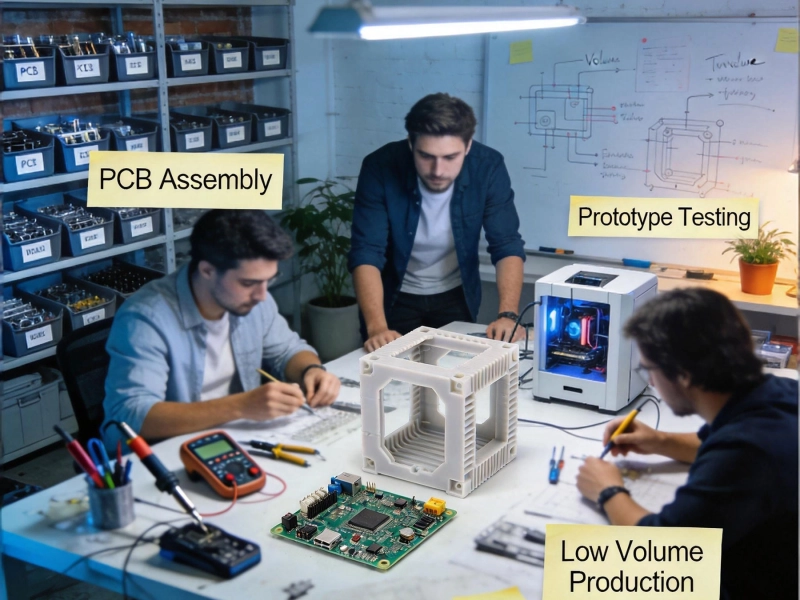
Why Low Volume Turnkey PCBA is the Perfect Solution for StartupsMay/26/2026
Overcoming the High Cost Challenges of Low Volume Turnkey PCBAJune/11/2026
How to Verify Material Quality in Turnkey PCB ManufacturingJuly/30/2026

High Volume Turnkey PCBA: The Importance of Automated Assembly LinesSeptember/09/2026
How to Find Manufacturers Specializing in Low Volume Turnkey PCBAJuly/31/2026
The Role of Low Volume Turnkey PCBA in Market ValidationSeptember/08/2026
Low Volume Turnkey PCBA: Flexibility for Niche and Specialized MarketsJuly/09/2026
Cost Reduction Techniques for High Volume Turnkey PCBA OrdersAugust/03/2026