Open Nav

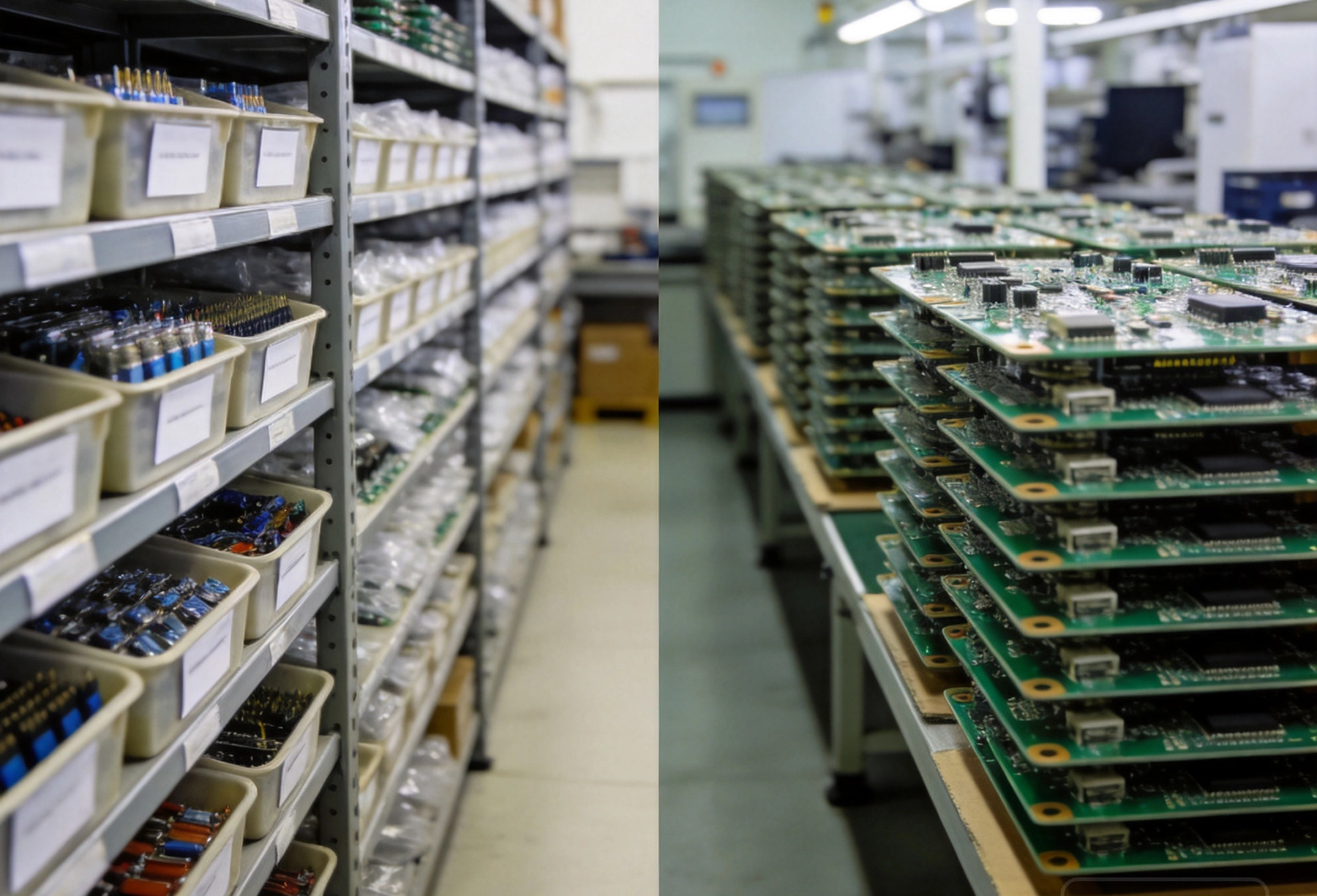
When you send your Pcb Design to a contract manufacturer, one of the first decisions you'll face is how components will be sourced. This seemingly administrative choice has sweeping implications for your project cost, schedule, Supply Chain risk, and day-to-day operational complexity. The two dominant models—Turnkey Assembly and consignment—each represent fundamentally different approaches to managing the relationship between you and your manufacturing partner. Getting this decision right aligns your Supply Chain with your product needs. Getting it wrong creates hidden costs and operational friction that compound over time.
This article breaks down how each model works, where the real differences lie, and how to evaluate which approach fits your specific project circumstances. Whether you're building your first prototype, scaling toward production, or optimizing an established product line, understanding these models will help you make better sourcing decisions and build more productive relationships with your manufacturing partners.
In a turnkey arrangement, your manufacturing partner takes complete responsibility for procuring all components listed in your bill of materials, building the assemblies, and delivering finished boards ready for integration or use. You provide design files, a complete BOM, and any special manufacturing requirements. The manufacturer handles everything else—from purchasing and incoming inspection of components through assembly, testing, and pack-out.
The turnkey model's appeal lies in its simplicity from the customer's perspective. Rather than managing multiple supplier relationships, tracking component lead times, and coordinating inbound logistics, you hand a single package of design information to your manufacturer and receive finished assemblies in return. This model transforms a complex supply chain operation into a straightforward procurement relationship.
Manufacturers offering turnkey services typically maintain relationships with major distributors and may have blanket purchase agreements that provide pricing advantages unavailable to individual buyers. Their procurement teams understand component market dynamics, know which distributors offer the best pricing and availability for specific component categories, and can aggregate orders across multiple customer programs to achieve volume pricing. These advantages often flow through to customer pricing, making Turnkey Assembly cost-competitive even after the manufacturer's markup on components.
Turnkey pricing typically combines a per-board assembly cost with a markup on the components procured to build those boards. Assembly costs reflect the manufacturing complexity—the number of placements, the types of components, the testing required—while component pricing reflects market cost plus a procurement fee. The procurement fee, often ranging from 5% to 15% of component cost depending on order size and component complexity, compensates the manufacturer for procurement effort, inventory risk, and the working capital tied up in component stocks.
For standard components readily available from multiple distributors, the turnkey markup often represents a good value: the manufacturer procures at competitive pricing, handles logistics and incoming inspection, and absorbs the component management burden. For components with volatile pricing, long lead times, or single-source constraints, the manufacturer's expertise and risk absorption may justify an even higher markup. The key is understanding exactly what the markup covers and whether the value provided matches the price charged.
In a consignment arrangement, you—the customer—own the components and deliver them to your manufacturing partner for assembly. You source components from distributors, manage inventory, handle incoming quality issues, and bear the cost of carrying component stock. The manufacturer assembles the boards you've specified using the components you've provided, charging only for assembly, testing, and related manufacturing services.
Consignment gives you maximum control over your supply chain. You choose your component suppliers, negotiate your own pricing, and maintain direct relationships with distributors. For companies with established supply chains, preferred distributor relationships, or specialized component requirements, this control may be worth the operational complexity it requires.
The consignment model shifts risk as well as responsibility. When component prices rise, you bear that cost directly. When components become unavailable, you manage the shortage—sourcing alternates, expediting orders, or accepting schedule impacts. The manufacturer bears only the risk of the assembly process itself, not the components that go into it. For some customers, this risk profile matches their capabilities and preferences. For others, the operational burden of managing consigned inventory outweighs the control it provides.
Effective consignment requires inventory management discipline that many companies underestimate. Components must arrive at the manufacturing facility before assembly begins, in quantities that match the build schedule, with appropriate quality verification, and with sufficient buffer to cover yield losses without leaving the manufacturer waiting for replenishment. Miss any of these constraints and the assembly schedule suffers.
Buffer stock planning becomes particularly important in consignment arrangements. The cost of carrying excess inventory—the working capital tied up, the storage space required, the risk of obsolescence if product plans change—falls entirely on the customer. Too little buffer and a single supply disruption halts production. Too much buffer and working capital evaporates into slow-moving stock. Finding the right balance requires accurate demand forecasting, reliable supply chain data, and ongoing Inventory Optimization.
Superficial cost comparisons between turnkey and consignment often miss the factors that determine total cost of ownership. A turnkey quote that appears more expensive on a per-board basis may be cheaper when you account for procurement overhead, inventory carrying costs, and the opportunity cost of managing your own supply chain.
Procurement overhead is perhaps the most commonly underestimated cost in consignment arrangements. Purchasing staff time, distributor management, quality verification of incoming shipments, and the systems required to track component flows all represent real costs that don't appear in the assembly price. For small production volumes, these costs may exceed any component price advantage from direct purchasing. For high-volume production, the scale of procurement justifies dedicated resources—but those resources aren't free.
Inventory carrying costs typically run 20-30% of inventory value annually, encompassing the cost of capital, storage facilities, insurance, obsolescence reserves, and administrative overhead. A company with $500,000 of consigned component inventory effectively spends $100,000-$150,000 per year just to hold that inventory. Turnkey arrangements shift this cost to the manufacturer, who either maintains minimal buffer stocks or procures components against confirmed orders rather than stocking speculatively.
Opportunity cost deserves consideration as well. Engineering and operations time spent managing component procurement is time not spent on product development, quality improvement, or customer engagement. For startups and small companies where every hour of engineering time is precious, the distraction of component management may cost more than the turnkey procurement markup.
Turnkey assembly is typically more cost-effective when component volumes are moderate, supply chains are straightforward, and internal procurement resources are limited. For a company building 500-5,000 units per year of a product with standard components, the turnkey procurement fee often represents better value than the internal cost of managing the same procurement operation. The manufacturer's volume aggregation—combining your component needs with those of other customers—typically procures at better pricing than small-lot purchasing can achieve.
Projects with volatile demand patterns benefit especially from turnkey arrangements. When demand fluctuates unpredictably, consigned inventory becomes either excess stock that ties up working capital or shortage stock that halts production. Turnkey manufacturers adjust their procurement to match actual orders, insulating customers from the inventory risk of demand volatility.
Consignment makes economic sense when component volumes are high enough to justify dedicated procurement infrastructure, when customers have preferential pricing relationships with component suppliers, or when supply chain control is strategically important. Large companies with established procurement operations, long-term component supply agreements, and deep inventory management expertise often procure components more cheaply than turnkey markup would allow.
Proprietary or specialized components may favor consignment as well. When a product uses custom ASICs, single-source sensors, or components with long lead times that require forward ordering, direct customer management of those components—often through separate engineering or supply chain relationships—may be more effective than routing them through a contract manufacturer's standard procurement process.
Both models handle supply chain risk differently, and your product's risk profile should influence your choice.
Turnkey arrangements concentrate supply chain risk with the manufacturer. When components become scarce, the manufacturer—responsible for delivery of finished assemblies—must find solutions. The customer's visibility into this process varies, and some manufacturers handle shortages more proactively than others. Well-managed turnkey providers maintain close relationships with distributors, monitor component market conditions, and proactively flag shortages before they halt production. Less sophisticated providers may inform customers of shortages only when assembly schedules are already disrupted.
Consignment arrangements give customers direct visibility into component availability and full control over mitigation strategies. You see shortages as they develop, can negotiate with distributors directly, and can make supply chain decisions based on your full picture of business priorities. This control comes at the cost of operational complexity—someone in your organization must actively manage the supply chain rather than delegating it to the manufacturer.
For products with stable, well-established component sets, supply chain risk may be low regardless of model. For products using leading-edge components, components in tight supply, or components with histories of shortage events, the Supply Chain Management model matters substantially.
Quality responsibility in turnkey arrangements encompasses both the assembly process and the components that go into it. When a board fails, determining whether the failure resulted from assembly defect, component defect, or design issue requires careful analysis—and the manufacturer's willingness to share this analysis affects your ability to address root causes effectively.
Turnkey manufacturers typically maintain incoming inspection processes that verify component authenticity, check for counterfeit risk, and validate component specifications against purchase orders. These processes add cost but provide protection against component quality issues. Consignment customers bear responsibility for component quality verification, which may require investment in incoming inspection capabilities.
Traceability requirements influence the model choice for regulated industries. Automotive, medical, and aerospace applications often require component-level traceability—the ability to identify which specific components went into which specific assemblies. Turnkey manufacturers typically maintain traceability records as part of their standard process, while consignment arrangements require additional record-keeping to connect customer-owned component lots to specific assembly builds.
The day-to-day operational demands of each model differ substantially, and this difference often determines which model fits a given organization better.
Turnkey assembly operates like a product purchase: you define what you need, you receive what you ordered, and the manufacturer's processes handle everything in between. The primary touchpoints are order placement, progress updates, and delivery receipt. This simplicity suits organizations with lean staff, fast-moving development programs, or limited supply chain expertise. The cost is less visibility and control over component-level decisions that affect your product.
Consignment assembly operates more like a tolling arrangement: you provide the inputs, the manufacturer adds value through assembly, and you bear responsibility for the full supply chain. The touchpoints multiply: coordinating component deliveries, tracking inventory levels, managing distributor relationships, handling quality issues with incoming components, and planning buffer stocks. This complexity suits organizations with established supply chain operations, component procurement expertise, and the staff bandwidth to manage it all.
Many companies discover that their initial preference for consignment—motivated by cost savings that prove illusory once overhead is accounted for—eventually migrates toward turnkey as they learn the true cost of component management. Others find that the operational overhead is manageable and worthwhile for the control it provides. The key is making the choice deliberately, with clear understanding of what each model actually costs.
Pure turnkey and pure consignment represent endpoints of a spectrum. Many manufacturing relationships incorporate hybrid approaches that capture benefits of both models.
A common hybrid approach uses turnkey for standard, readily available components while consigning specialized or high-value components that warrant direct customer management. Components with volatile pricing—memory, processors, and other market-sensitive parts—may be customer-managed to capture favorable pricing windows that turnkey procurement wouldn't exploit. Components with long lead times may be consigned with buffer stock at the manufacturer to cover assembly without requiring expedited purchasing.
Some manufacturers offer consignment-with-management options where the customer owns the inventory but the manufacturer handles procurement, warehousing, and logistics. This arrangement gives customers the pricing benefits of consignment while reducing operational overhead—though the service typically comes with its own fee structure that must be evaluated against fully turnkey or fully self-managed alternatives.
The right choice depends on factors specific to your organization, product, and circumstances. A structured evaluation helps identify which model fits best.
Do you have dedicated procurement staff with component sourcing expertise? Do you have established relationships with component distributors that provide pricing or availability advantages? Do you have the inventory management systems and warehouse capacity to manage component stocks? If the answer to these questions is no, consignment overhead likely exceeds its benefits. If yes, evaluate whether those advantages actually translate to lower total cost than turnkey pricing.
Is your BOM dominated by standard components available from multiple sources? Are lead times short and stable? Do you have any single-source components or specialized parts? The supply chain complexity of your product directly affects how much value the control of consignment provides—and whether the management overhead of consignment is justified by the specific risks you face.
High, stable production volumes justify the investment in consignment infrastructure. Low or irregular volumes rarely do. If your production forecast is uncertain—if you don't know whether you'll build 100 units or 10,000 over the next year—turnkey's flexibility almost certainly provides better value than consignment's rigidity.
Starting with turnkey and migrating to consignment as volumes grow is a common and sensible path. Managing consignment for 500 units per month is overwhelming. Managing consignment for 50,000 units per month justifies the operational investment. Let your manufacturing model scale with your business rather than overbuilding operational capability before you need it.
Whichever model you choose, the relationship with your manufacturing partner benefits from the same practices: clear communication, realistic expectations, and mutual commitment to problem-solving when issues arise.
Turnkey relationships work best when customers provide complete, accurate BOMs and respond quickly to component shortage inquiries. The manufacturer can only deliver what they can procure—component data that's incomplete or outdated creates procurement delays that affect delivery schedules. Investing time in BOM accuracy before order placement pays dividends throughout the build.
Consignment relationships work best when customers maintain close coordination with the manufacturing facility, delivering components on schedule with appropriate buffer stocks, responding quickly to yield-related replenishment needs, and providing advance notice of demand changes that affect component requirements. The manufacturer can only build what arrives—component delivery performance directly determines assembly schedule adherence.
Yes, but the transition requires planning and coordination. Switching from turnkey to consignment mid-production means establishing component supply relationships, arranging component delivery to the manufacturer, and potentially restructuring pricing agreements. Switching from consignment to turnkey requires the manufacturer to establish procurement processes for your specific components. Either transition works, but neither is instantaneous. Plan for a transition period of at least one build cycle to allow logistics and processes to stabilize.
IP protection in turnkey arrangements is a legitimate concern, but it's typically manageable through contractual agreements rather than operational isolation. NDA agreements, component use restrictions, and clear ownership clauses address most concerns. The practical risk of IP disclosure through manufacturing partners is typically lower than the risk from other vectors—employees, distributors, or competitors who observe your products in the field. Choose manufacturing partners with established IP protection practices and contractual commitments rather than avoiding turnkey entirely due to IP concerns.
In consignment arrangements, you own the inventory and bear the risk of obsolescence. Excess components become a loss when products are discontinued. Turnkey arrangements shift this risk to the manufacturer, who either refuses to procure excess quantities against speculative demand or builds the risk into their pricing. Understanding how each model handles end-of-life scenarios helps you plan for product transitions and avoid unexpected losses when designs are replaced.
Conduct a true total cost analysis that includes procurement staff time, systems costs, inventory carrying costs, obsolescence reserves, and the opportunity cost of working capital tied up in component stocks. Compare this total cost to the turnkey procurement fee, which is typically quoted as a percentage of component cost. If your all-in consignment cost exceeds the turnkey fee, turnkey is cheaper. The analysis requires honest accounting of costs that are often buried in departmental budgets rather than explicitly attributed to component procurement.
A complete BOM with manufacturer part numbers, quantities per board, and any special requirements provides the foundation for turnkey quoting. Additional information—preferred distributors, approved vendor lists, substitution restrictions, and environmental compliance requirements—helps manufacturers provide accurate pricing and avoid surprises during procurement. Incomplete BOMs produce quotes that don't reflect actual build costs, leading to pricing surprises after orders are placed.
Turnkey and consignment aren't interchangeable options—they're fundamentally different approaches to managing the supply chain relationship, each with its own strengths, trade-offs, and fit with different organizational capabilities. The right choice depends on your specific circumstances: your internal capabilities, your product's supply chain complexity, your production volume and stability, and your strategic priorities for supply chain control versus operational simplicity.
Most small to medium-sized electronics companies find that turnkey assembly provides better total cost of ownership, especially during growth phases when operational bandwidth is limited and supply chain complexity is manageable. As companies scale and develop procurement expertise, the calculus may shift—but even mature operations often maintain hybrid approaches that capture the benefits of both models.
Making this decision deliberately—rather than defaulting to habit, convention, or superficial cost comparisons—produces manufacturing relationships that support your business rather than creating friction you didn't anticipate. Understanding the true cost of each model, assessing your actual internal capabilities, and planning for your growth trajectory will guide you toward the manufacturing model that fits your project best.
Ready to explore which manufacturing model fits your next project? Our team can help you evaluate options, analyze total cost of ownership, and structure a manufacturing approach that aligns with your product needs and business goals.
The Core Benefits of Outsourcing to Turnkey PCB ServicesJune/04/2026
What Are Turnkey PCB Services?May/26/2026
Top 10 Metrics for Evaluating the Best Turnkey PCB Assembly ManufacturersMay/26/2026

How to Choose the Best Turnkey PCB Assembly Partner in 2026May/26/2026

Turnkey PCB Services vs. Consignment: Which Model Fits Your Project?July/03/2026

Why Low Volume Turnkey PCBA is the Perfect Solution for StartupsMay/26/2026

Turnkey SMT Assembly: Handling 01005 Components and Micro BGAsJune/08/2026
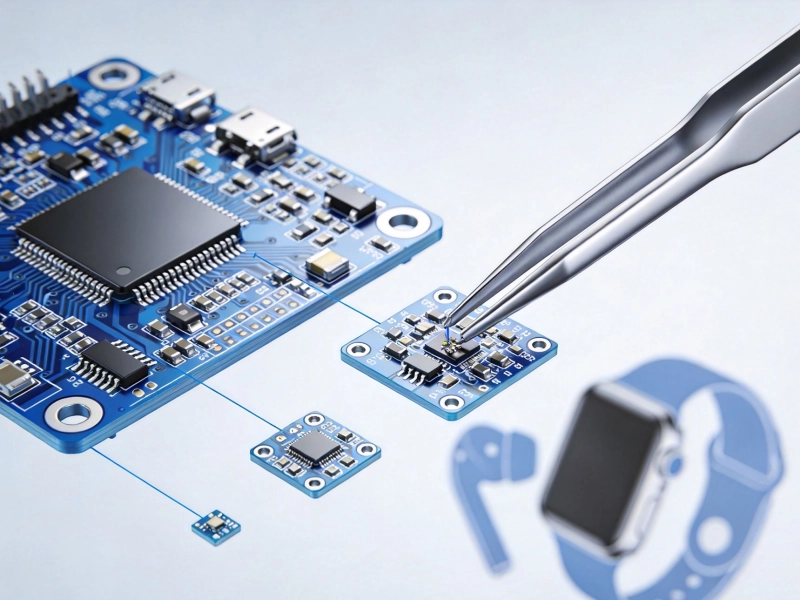
Miniaturization Challenges in Turnkey PCB Assembly for WearablesJuly/15/2026