
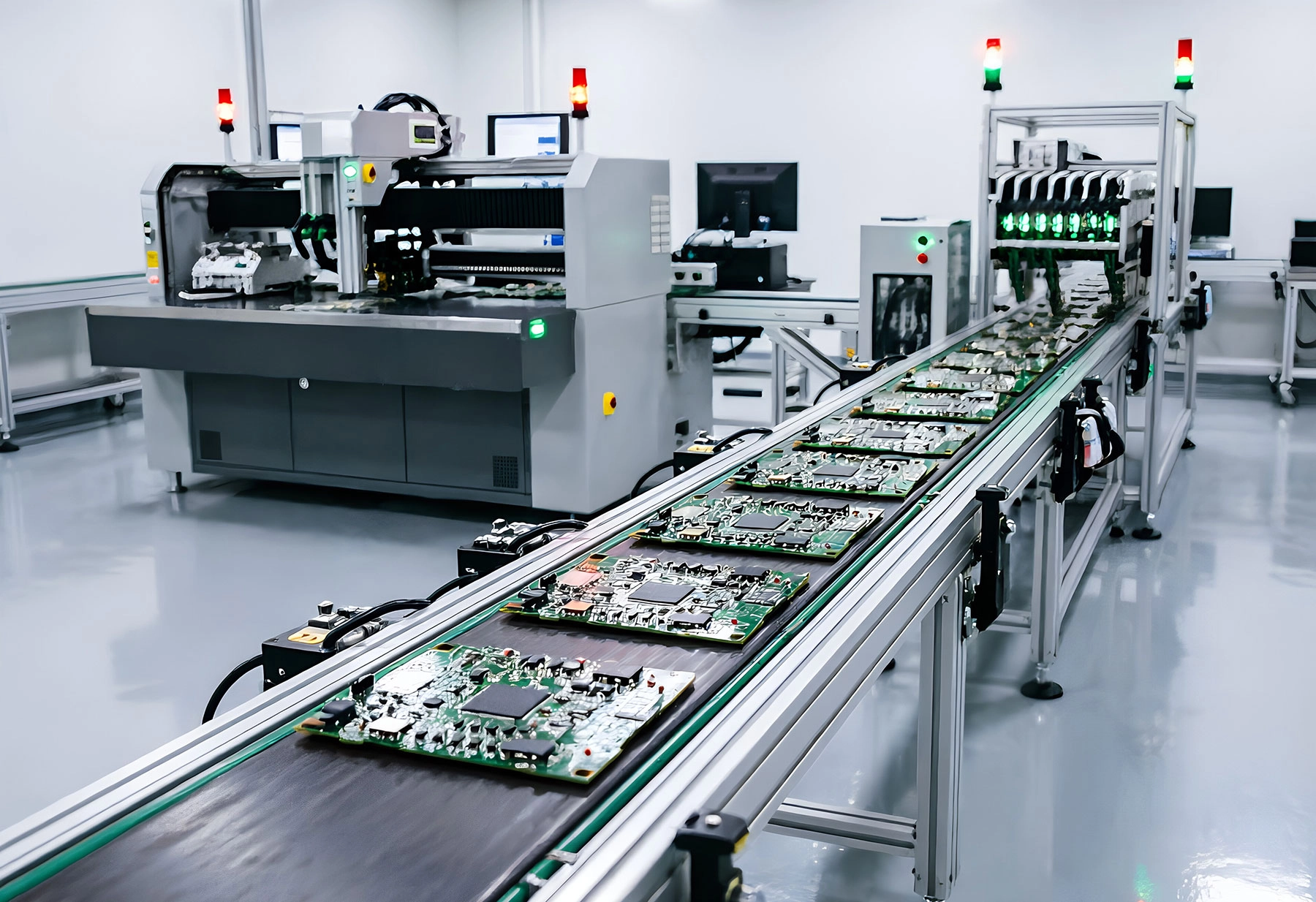
In electronics development, speed often determines market success. Miss a launch window by weeks, and competitors capture customers. Launch with defects, and reputation suffers for years. This pressure drives increasing demand for Rapid Turnkey printed circuit board assembly (PCBA) services that can deliver complete assembled boards in days rather than weeks or months.
Yet the relationship between delivery speed and manufacturing cost remains complex and often misunderstood. Faster delivery almost always carries price premiums, but the magnitude of these premiums varies widely based on project specifics, service provider capabilities, and strategic trade-offs. Understanding these dynamics enables smart decision-making about when to pay for speed, when to prioritize cost, and how to achieve both objectives through intelligent planning.
Turnkey Pcba services provide end-to-end manufacturing—from PCB Fabrication to Component Sourcing through final assembly and testing. Unlike non-turnkey approaches where customers manage each step separately, turnkey providers coordinate the entire process, handling Supply Chain coordination, material procurement, process integration, and quality verification.
Within turnkey services, delivery speed options typically fall into standard categories:
Each speed increment typically carries progressive cost increases—but these increases aren't linear. The jump from standard to express might cost 15% to 25% more, while moving from express to rush can add 50% to 100% to total costs. Emergency service—true 24-hour turnaround—can double or triple standard costs for complex assemblies.
Manufacturing facilities operate most efficiently when following planned schedules that optimize equipment utilization, labor allocation, and material flow. Expediting orders disrupts these optimized patterns by prioritizing specific jobs ahead of scheduled production.
To accommodate rush orders, manufacturers must:
These overhead costs directly contribute to rush fees. A manufacturer quoting rush service isn't simply "charging extra for the same work"—the work itself becomes more expensive to perform outside of optimized production schedules.
Turnkey services include component procurement. When orders require expedited delivery, Component Sourcing activities also accelerate. Standard procurement might use consolidated shipping, scheduled deliveries, and cost-effective suppliers. Expedited orders require immediate sourcing actions:
Component costs for rush orders can exceed standard procurement by 20% to 50%, depending on component availability and distribution channel requirements. These sourcing premiums add directly to total Turnkey Assembly costs.
Manufacturing quality typically benefits from methodical processes that allow careful material inspection, parameter verification, and comprehensive testing. When time pressure increases, quality processes sometimes compress to meet deadlines:
While reputable manufacturers maintain minimum quality standards regardless of timeline, compressed schedules inherently reduce opportunities for thorough inspection and process validation. This trade-off manifests as higher potential for defects requiring rework or field failures causing downstream costs.
Standard production timelines allow opportunities for cost optimization that expedited schedules eliminate. When time permits, engineers can:
Rush schedules eliminate these optimization opportunities. Components get sourced as-available rather than as-optimized, material costs reflect expedited procurement rather than strategic sourcing, and manufacturing processes follow established parameters rather than exploring cost-saving alternatives.
For some products, market windows drive financial impact far exceeding Expedited Assembly costs. Consider a Consumer Electronics device targeting holiday sales. Missing the holiday launch window might delay revenue by an entire quarter. The value of six months of market leadership can justify significantly higher manufacturing costs when weighed against lost market opportunity.
Similar dynamics apply to medical devices awaiting regulatory approval timing, industrial automation products tied to industry cycles, or automotive components synchronized with vehicle launches. In these scenarios, manufacturing speed represents strategic investment rather than incremental cost.
Contract manufacturers face penalties for missed delivery commitments. When production delays threaten contractual obligations, paying rush fees to meet deadlines proves cheaper than penalty clauses and relationship damage. Customer-specified delivery dates often carry specific contractual consequences that make expediting costs the economically rational choice.
Even without formal penalties, missing delivery commitments damages reputation and future business potential. The long-term value of customer relationships often justifies short-term rush costs to fulfill commitments on time.
During product development, teams often iterate through multiple design revisions. Each iteration delays final launch timeline. Rapid Prototyping for design verification enables faster iteration cycles, reducing total development time despite higher per-iteration costs.
When a single rapid prototype enables identifying a critical design flaw that would otherwise compromise production quantities, the expediting cost prevents far larger downstream costs in wasted production materials and rework.
Startup companies often face funding milestones tied to product demonstrations or delivery commitments. Missing these milestones can jeopardize funding rounds. In these high-stakes situations, expediting delivery costs prove small compared to the value of meeting funding requirements on schedule.
Medical devices, aerospace components, and safety-critical systems often face regulatory testing windows. Missing these windows can delay approvals for months or require restarting certification processes. Expediting production to meet regulatory submission deadlines prevents costly timeline extensions.
The most effective speed-cost optimization begins during design. Design for Manufacturability (Dfm) reviews identify potential production problems before they cause delays. Resolving design issues upstream prevents expediting costs downstream.
Key Dfm considerations include:
Designs optimized for manufacturability experience fewer delays and fewer expediting requirements throughout production cycles.
For frequently used components—particularly standard passive parts—maintaining strategic inventory buffers eliminates procurement delays. When boards require commonly used resistors, capacitors, and connectors, having these materials in stock removes sourcing timeline pressures.
Strategic inventory planning balances inventory carrying costs against expediting benefits. For components used across multiple product lines, shared inventory strategies improve both speed and cost performance.
Strong relationships with turnkey providers create benefits beyond pricing. Preferred customers receive priority scheduling, advance notice of capacity constraints, and opportunities to book production capacity in advance.
Developing these relationships requires consistency: regularly placing orders, providing clear specifications, and maintaining predictable communication patterns. These patterns enable providers to plan for customer needs and reserve capacity proactively.
For larger production quantities, phased production enables partial speed optimization without full expediting costs. Instead of accelerating all units simultaneously, manufacturers can:
This approach delivers some units quickly for testing or early deployment while maintaining reasonable costs for the balance of production.
Many rush order costs stem from unclear requirements leading to last-minute changes or misunderstandings about specifications. Clear, detailed communication prevents these preventable expediting costs:
When requirements are clear upfront, production proceeds smoothly without requiring changes that trigger expediting costs or delays.
Not all turnkey providers offer the same speed capabilities. Manufacturers with excess capacity can accommodate rush orders without disrupting standard production flows. Providers operating at full capacity face greater challenges with expediting, leading to higher premiums or reduced availability.
When evaluating providers, ask about:
Providers with capacity headroom often provide better expediting value than providers operating near capacity constraints.
Quality impacts cost regardless of speed. Providers with mature quality systems minimize rework and field failures that drive downstream costs. Advanced quality capabilities include:
While quality-focused providers may appear more expensive upfront, their lower defect rates reduce total costs through reduced rework, fewer warranty claims, and improved customer satisfaction.
Effective turnkey providers maintain robust Supply Chain relationships that enable reliable component sourcing. Providers with established distributor relationships can source components reliably even during global shortages. Those with weak supply chain networks face expediting challenges every time components become scarce.
Evaluating supply chain capabilities includes:
The trade-offs between speed and cost in rapid Turnkey Pcba follow predictable patterns but vary widely based on project specifics, provider capabilities, and strategic context. Faster delivery always costs more—but the premium magnitude varies dramatically based on how production processes adapt to expedited requirements.
Smart decision-making requires understanding not just the immediate price differences between delivery options, but the total cost implications including quality trade-offs, opportunity costs, and strategic considerations. Sometimes paying premium expediting costs represents rational investment rather than unnecessary expense.
The key is making informed trade-offs rather than defaulting to either speed or cost optimization. Through strategic planning, clear communication, and careful provider selection, organizations can optimize both speed and cost, achieving delivery requirements without paying unnecessary premiums for expediting services.
Rush fees vary based on timeline compression. Express service (3-7 days) typically adds 15-25% to standard costs. Rush service (1-3 days) adds 50-100%. Emergency 24-hour turnaround can double or triple standard costs. These percentages represent total turnkey service costs, including both assembly and component sourcing premiums.
Not necessarily, but compressed timelines increase quality risks. Reputable manufacturers maintain minimum quality standards regardless of schedule, but expedited orders typically undergo fewer inspection checkpoints and less comprehensive testing. The safest approach uses rapid turnaround for prototyping but maintains standard schedules for production quantities where quality performance matters most.
Board complexity, component availability, and manufacturer capacity significantly influence rush availability. Simple 2-layer boards with standard components face fewer expediting challenges than complex 12-layer boards with specialized components. Providers with capacity headroom accommodate rush orders more readily than those operating at full capacity.
Strategies include designing for manufacturability to reduce production problems, maintaining strategic inventory of commonly used components, developing preferred supplier relationships for priority scheduling, providing comprehensive documentation preventing last-minute changes, and using phased production approaches that expedite only partial quantities.
Expediting makes little sense when deadlines lack strategic urgency, when product maturity allows longer timelines without competitive disadvantage, or when expediting costs exceed value of meeting earlier deadlines. For mature, stable products where market timing isn't critical, standard production schedules optimize total cost without sacrificing meaningful speed benefits.
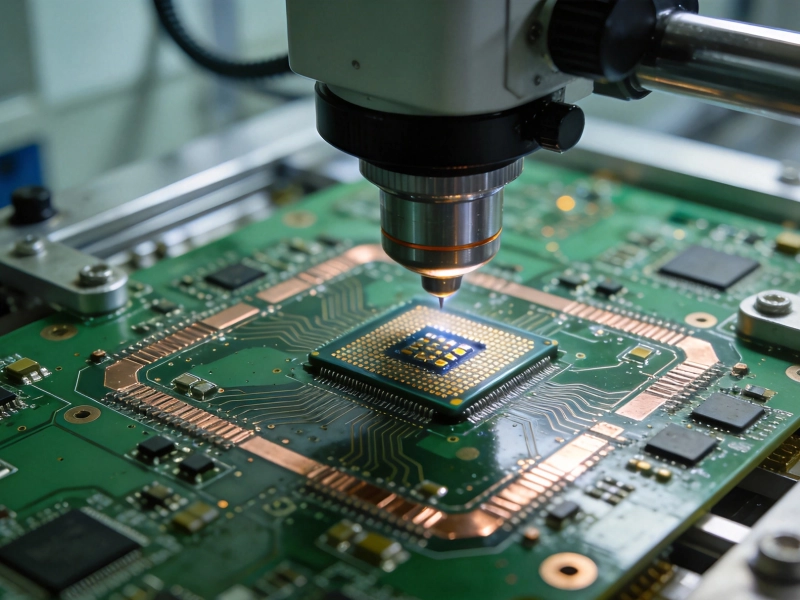
Best Turnkey PCB Assembly for Complex Multilayer Boards: What to Look ForSeptember/23/2026
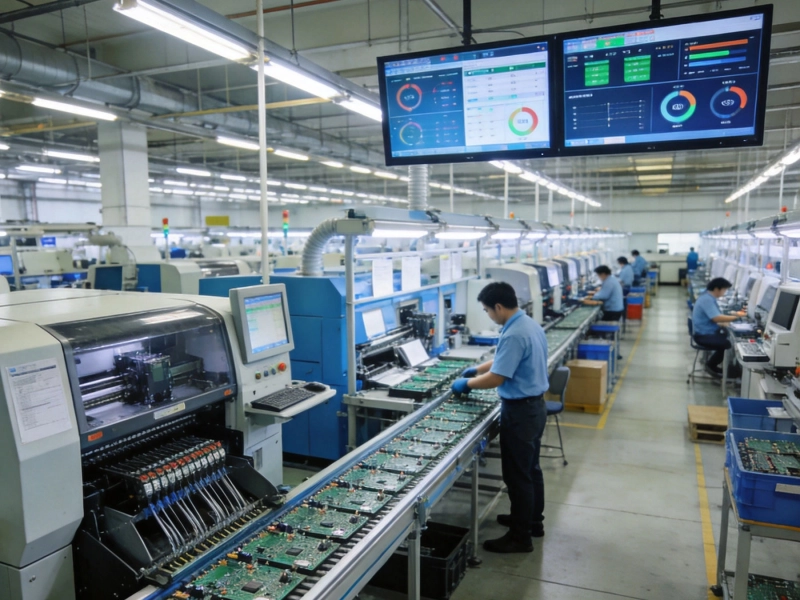
High Volume Turnkey PCBA: Ensuring Consistency and Yield at ScaleJune/12/2026

How Digital Platforms are Enabling 24-Hour Rapid Turnkey PCBASeptember/10/2026

Rapid Turnkey PCBA: How to Get Your Electronics Built in Days, Not WeeksJune/15/2026
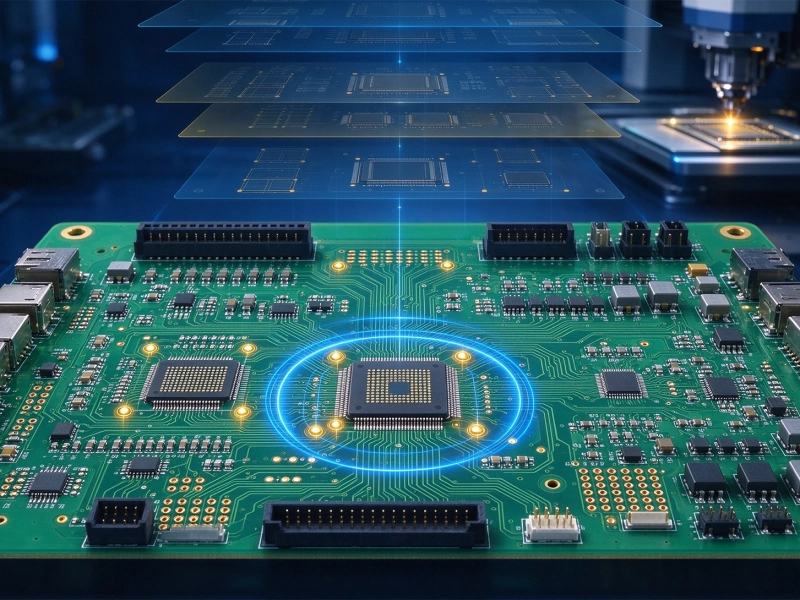
Preparing Your Design Files for Rapid Turnkey PCBA SuccessOctober/13/2026

Managing Logistics and Distribution in High Volume Turnkey PCBAOctober/12/2026

Rapid Turnkey PCBA Services for Emergency Engineering FixesAugust/03/2026
Strategies for Scaling to High Volume Turnkey PCBA ProductionMay/26/2026