Open Nav

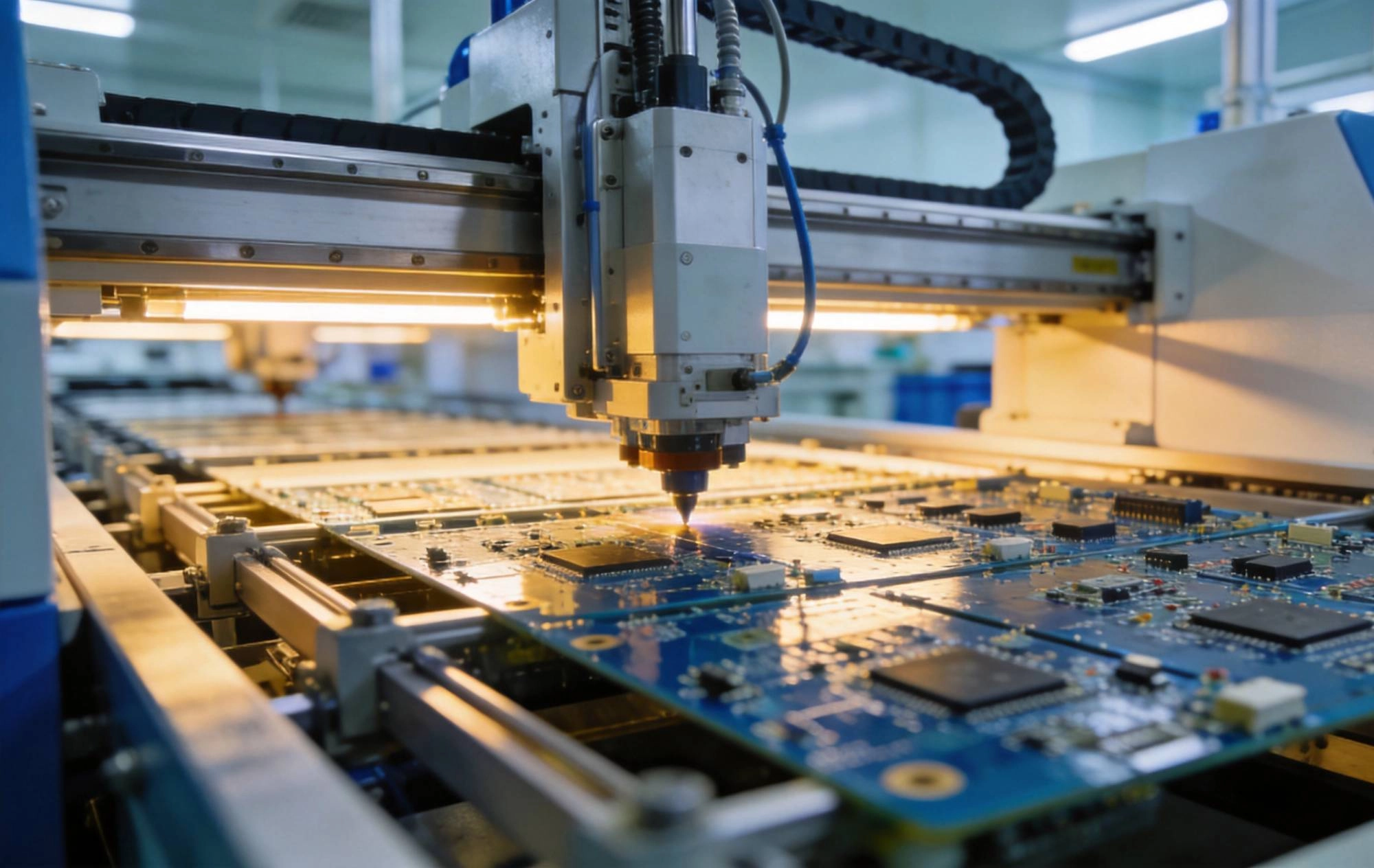
The medical device industry operates under some of the most stringent regulatory frameworks in Electronics Manufacturing. When your product interfaces with patients—diagnostic equipment, therapeutic devices, monitoring systems, or Implantable Electronics—the stakes extend beyond market success to direct human safety. This reality makes Turnkey PCB Assembly for medical devices fundamentally different from standard Electronics Manufacturing.
Iso 13485 represents the gold standard for quality management systems in Medical Device Manufacturing. This international standard specifies requirements for organizations involved in the design, development, production, installation, and servicing of medical devices. Understanding how Iso 13485 shapes Turnkey PCB Assembly processes helps medical device companies select manufacturing partners who genuinely prioritize patient safety alongside Production Efficiency.
This guide examines what distinguishes medical-grade Pcb Assembly, how ISO 13485 compliance manifests in Manufacturing Operations, and practical criteria for evaluating Turnkey Assembly partners for healthcare applications.
ISO 13485:2016 is the international standard that outlines quality management system requirements for organizations that manufacture medical devices or provide related services. Unlike general quality standards, ISO 13485 is specifically designed for regulatory compliance, with each requirement mapped directly to medical device regulatory frameworks worldwide.
For turnkey Pcb Assembly providers, ISO 13485 certification demonstrates systematic commitment to consistent quality, traceability, and Risk Management. However, not all certifications carry equal weight. Here's what ISO 13485 compliance actually means for Medical Pcb Assembly:
ISO 13485 mandates comprehensive documentation throughout the product lifecycle. In PCB assembly, this translates to:
A Turnkey Assembly partner with genuine ISO 13485 implementation maintains documentation systems that support regulatory submissions, not just internal quality records. When your device undergoes FDA review or CE marking assessment, these records become critical evidence of manufacturing quality.
ISO 13485 requires risk-based thinking throughout Manufacturing Operations. For PCB assembly, Risk Management manifests in:
When evaluating turnkey assembly partners, ask how risk management translates to specific manufacturing decisions. Generic quality statements without operational specifics often indicate surface-level compliance rather than integrated risk-based thinking.
Many medical devices require assembly in controlled environments. While not all medical PCBs need clean room assembly, several application categories demand it:
Beyond clean rooms, Electrostatic Discharge (ESD) protection is non-negotiable for Medical Pcb Assembly. Static discharge can damage sensitive components, creating latent defects that emerge during device operation. Verify that assembly facilities maintain ANSI/ESD S20.20 compliance with proper grounding, smocks, wrist straps, and humidity control.
Medical devices require component decisions that prioritize reliability over cost optimization. Key considerations include:
Component Temperature Ratings: Devices that undergo sterilization (autoclave, EtO, gamma radiation) require components rated for these processes. Standard commercial-grade components may fail prematurely in sterilization environments.
Long-Term Availability: Medical devices often have 10-20 year product lifecycles. Component selection must consider long-term availability, and manufacturers should support last-time-buy management and obsolescence planning.
Counterfeit Prevention: The medical device Supply Chain faces counterfeit component risks. ISO 13485-compliant manufacturers implement counterfeit prevention programs including authorized distributor sourcing, incoming authentication, and lot traceability.
RoHS and Environmental Compliance: Most markets require Rohs Compliance for electronic medical devices. Verify your assembly partner maintains compliant material sourcing and can provide declaration documentation.
Medical PCB assembly demands testing protocols beyond standard production testing:
Request specific testing protocols from potential assembly partners. Generic statements about "comprehensive testing" without details about test coverage, acceptance criteria, and defect detection capability indicate incomplete quality systems.
The best medical PCB assembly partners understand regulatory processes beyond manufacturing. They should offer:
Design for Manufacturability (Dfm) Reviews: Early collaboration identifies design elements that could compromise manufacturing quality or regulatory compliance. Experienced partners flag issues like mixed technologies, hand-soldering requirements, or test access limitations.
Design for Testability (DFT) Support: Testability features built into the design enable comprehensive testing. Partners who review DFT early prevent test coverage gaps that become costly to fix later.
Regulatory Documentation Support: Assembly partners should provide documentation packages supporting 510(k) submissions, CE marking technical files, and other regulatory filings. This includes manufacturing records, process validation reports, and certificate of conformance documentation.
Audit Support: Medical device manufacturers undergo regulatory inspections and customer audits. Partners with genuine ISO 13485 implementation welcome audits and provide transparent access to quality records.
Technical capability determines whether a partner can reliably produce your medical devices:
Medical device production often spans decades, making manufacturer business continuity critical:
True Turnkey Pcb Assembly consolidates multiple manufacturing stages with a single responsible partner:
Turnkey services include component procurement, which offers significant advantages for medical devices:
When fabrication, assembly, and testing occur at separate facilities, responsibility gaps emerge. Turnkey assembly consolidates accountability:
Medical-grade assembly costs more than commercial production—these expenses reflect genuine quality investment:
Strategic approaches reduce medical assembly costs while maintaining compliance:
Design Optimization: Work with assembly partners during design to optimize for manufacturing efficiency. Standard footprint components, adequate test access, and clear silkscreen markings reduce assembly complexity.
Volume Aggregation: Panelizing multiple board versions or combining orders reduces per-board tooling and setup costs.
Testing Tiering: Not every board requires identical testing. Risk-based testing stratification—100% testing for critical applications, statistical sampling for others—optimizes cost while maintaining safety assurance.
Long-Term Partnerships: Established relationships enable forecast sharing, buffer inventory, and reduced administrative overhead that lower per-unit costs over time.
Turnkey Pcb Assembly for medical and healthcare devices demands manufacturing partners who understand that quality directly impacts patient safety. ISO 13485 compliance provides the framework, but genuine implementation requires operational commitment to documentation, traceability, risk management, and continuous improvement.
When evaluating assembly partners, look beyond certifications to operational reality. Request evidence of regulatory submission experience, evaluate testing capabilities against your specific requirements, and verify that documentation systems support your regulatory pathway. The best medical assembly partners function as extensions of your quality system, not just vendors fulfilling purchase orders.
Medical device development timelines and regulatory requirements make manufacturing partner selection a strategic decision. Invest the time for thorough evaluation—your patients depend on the quality decisions you make today.
ISO 13485 is an international standard specifically designed for medical device quality management systems. It requires documented processes for design, production, traceability, and quality monitoring. For PCB assembly, ISO 13485 ensures that manufacturing processes maintain consistency, defects are traceable to root causes, and documentation supports regulatory compliance.
Not all medical devices require clean room assembly. The requirement depends on device classification and application. Implantable devices and sterile-use equipment typically require clean room assembly, while many diagnostic and monitoring devices can be assembled in ESD-controlled environments without clean room specifications.
Turnkey assembly includes component procurement, PCB Fabrication, assembly, and testing under a single contract with one responsible partner. Partial services might require you to procure components separately or coordinate between fabrication and assembly providers. Turnkey reduces handoff risks and simplifies Supply Chain Management.
Essential documentation includes certificate of conformance, complete traceability records linking boards to component lots, inspection and test results, process parameters (reflow profiles, placement data), non-conformance reports, and material declarations (RoHS, REACH). For regulatory submissions, you may also need process validation reports and audit certificates.
Medical PCB assembly lead times typically run 3-6 weeks for standard volumes, compared to 1-2 weeks for commercial assembly. Additional time reflects documentation review, incoming inspection, process validation, and comprehensive testing. Rush services may be available with premium pricing.
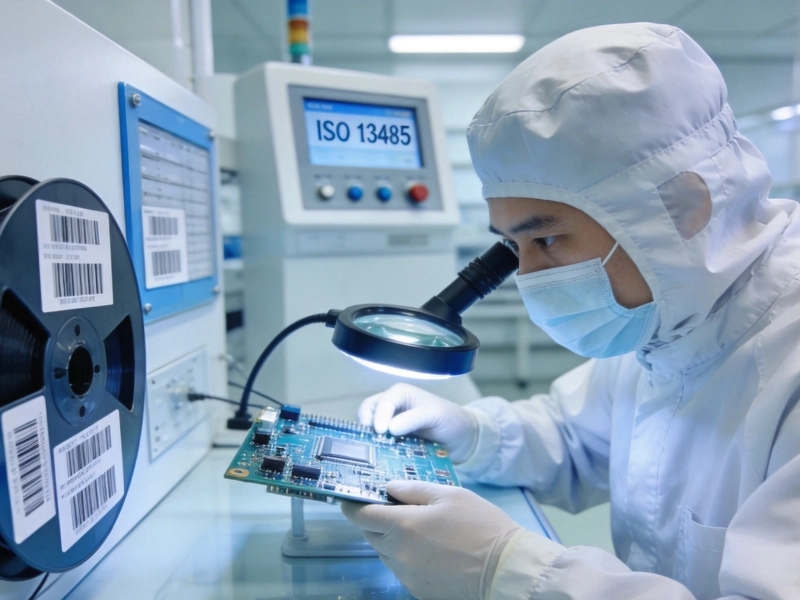
Traceability and Documentation in Medical PCB AssemblySeptember/20/2026
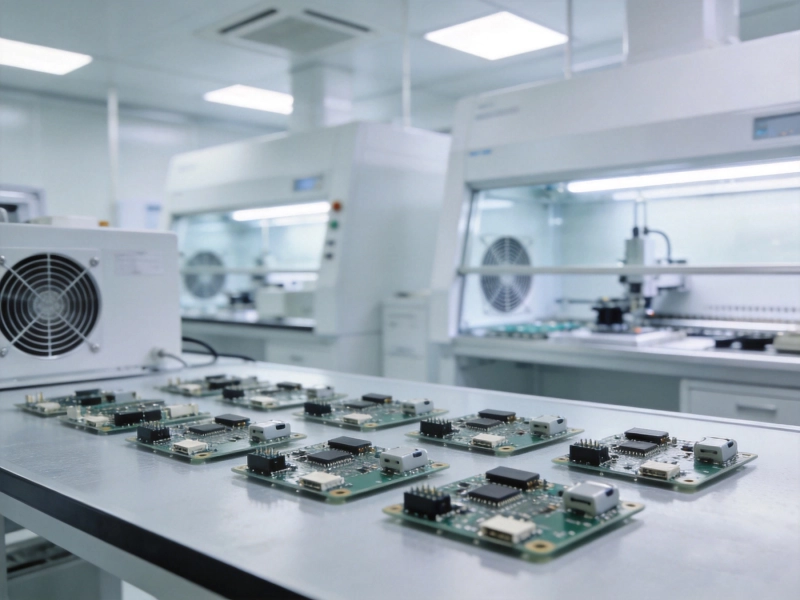
Cleanroom Manufacturing Standards for Implantable Medical PCBAJuly/21/2026
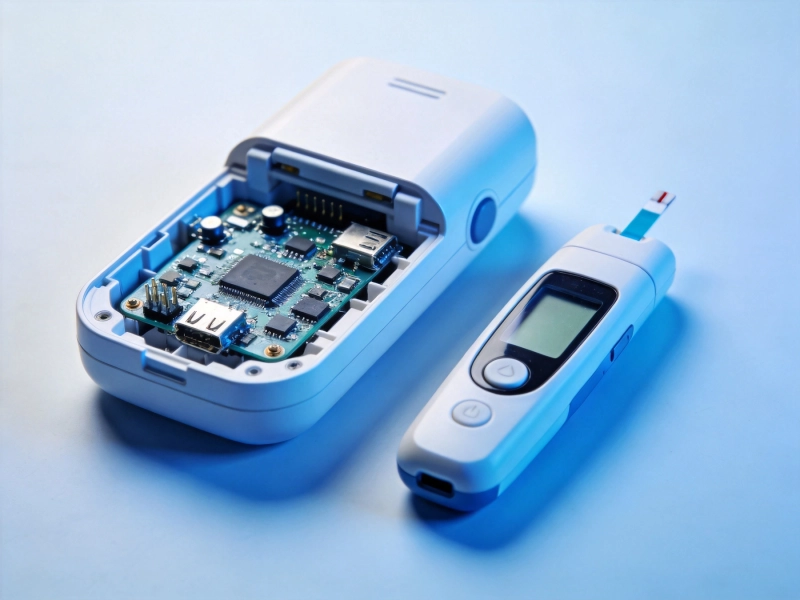
Best Turnkey PCB Assembly for Portable Diagnostic EquipmentAugust/12/2026
Why Fast Turnaround is Critical in Turnkey PCB PrototypingSeptember/03/2026

How Digital Platforms are Enabling 24-Hour Rapid Turnkey PCBASeptember/10/2026

Best Turnkey PCB Assembly Services: Balancing Cost, Quality, and SpeedJuly/01/2026
Turnkey PCB Assembly Insights: How AI is Transforming Quality ControlSeptember/01/2026
Best Turnkey PCB Assembly for Automotive & EV Systems: Meeting IATF 16949June/18/2026