Open Nav

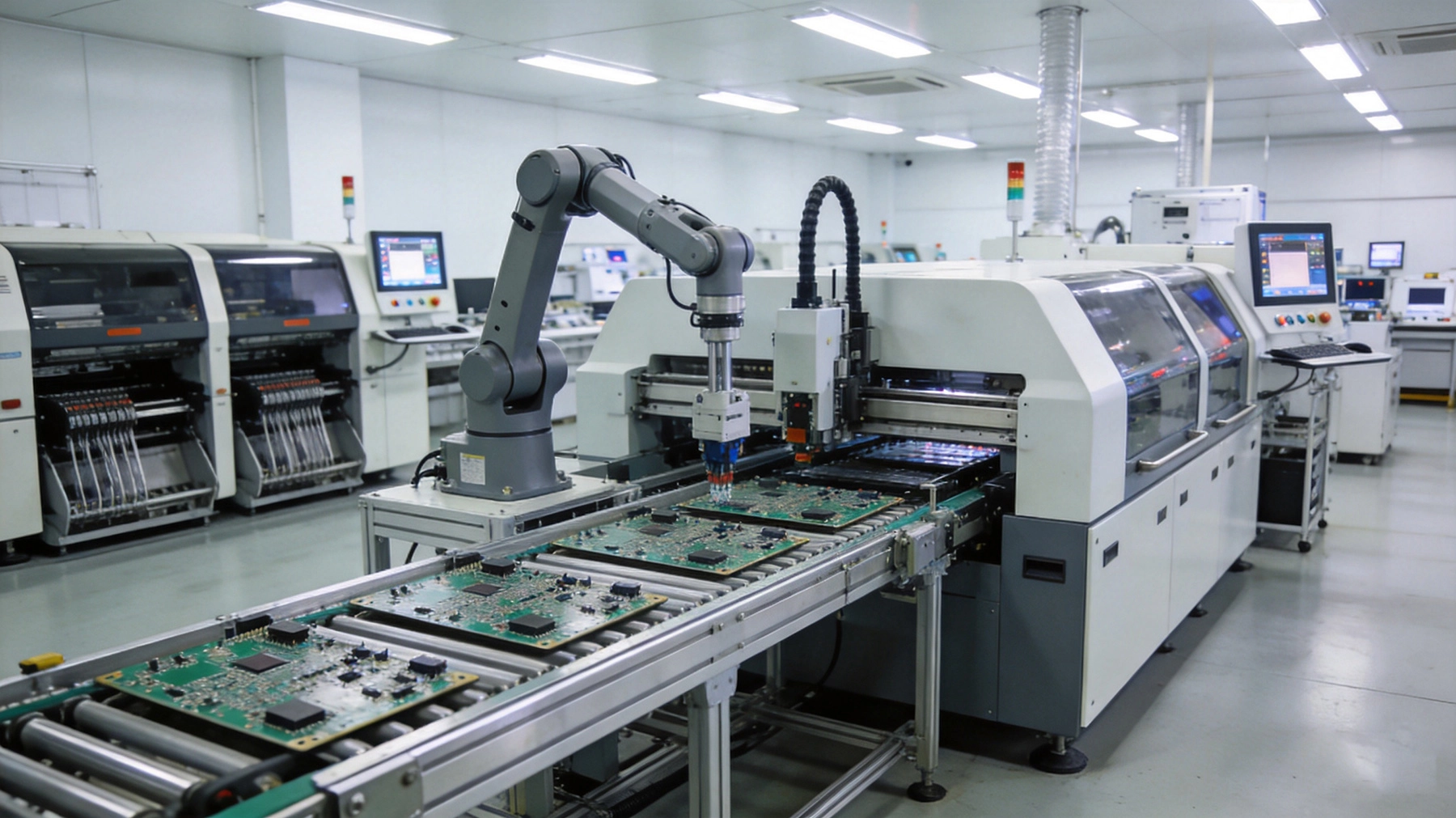
When you are developing industrial control systems, automation equipment, or mission-critical machinery, Pcb Assembly is not just about getting boards made. It is about confidence that the finished electronics will survive harsh environments, handle continuous operation, and maintain performance specifications year after year. That is why Turnkey PCB Assembly has become the preferred solution for industrial and automation manufacturers who need reliability as much as they need capacity.
This guide explores what makes a Turnkey PCB Assembly approach truly valuable for industrial applications, how to evaluate partners who can deliver consistent quality, and what to expect throughout the manufacturing lifecycle from prototype through production.
Industrial and automation electronics operate in conditions that would quickly destroy consumer-grade devices. Vibration, dust, temperature extremes, humidity, and electromagnetic interference are constant realities on factory floors, outdoor installations, and marine environments. These conditions require PCB assemblies that are engineered from the ground up for durability rather than just cost.
The industrial Pcb Assembly process starts at the design stage. Heavy copper constructions, conformal coatings, Selective Soldering of through-hole components, and strict adherence to IPC-A-610 Class 3 standards are not optional extras but baseline requirements. Industrial turnkey partners understand these requirements inherently and build them into their processes rather than treating them as special requests.
Traditional PCB procurement separates design, fabrication, assembly, and testing into multiple vendors with different capabilities, quality systems, and communication protocols. This fragmented approach creates handoff points where specifications get misinterpreted, quality inconsistencies creep in, and schedule delays compound. Turnkey Pcb Assembly consolidates all these functions under one roof with unified processes, direct communication, and single-source accountability.
For industrial projects, this consolidation delivers real benefits. Design for manufacturability feedback reaches you early when changes are easy and cheap to make. Quality problems get resolved quickly because the same team that fabricated your board is assembling and testing it. Production ramp-up proceeds smoothly because capacity and scheduling are coordinated across all manufacturing steps. Most importantly, when issues arise in the field, you have a single point of contact who understands your product comprehensively and can take responsibility for the entire solution.
Not all PCB assembly facilities handle industrial work well. Look for partners who demonstrate specific experience with automation equipment, motor controllers, Power Electronics, and industrial control systems. Ask about their experience with relevant industry standards such as IPC-A-610 Class 3, IPC-6012, and IEC 60601 for medical electronics. The right partner should be able to discuss Thermal Management, Vibration Resistance, and environmental protection as core competencies rather than add-on services.
Site visits are invaluable. Seeing a production floor that regularly handles heavy copper boards, high-voltage assemblies, and Conformal Coating processes gives you confidence that the facility is equipped for your requirements. Pay attention to cleanliness, organization, and quality systems in action. These visible indicators often reflect deeper capabilities that matter for consistent industrial production.
Quality certifications matter for industrial applications, but the right certifications go beyond ISO 9001. Look for facilities with IPC certification for assembly processes, UL listing capabilities for product safety, and experience with automotive or aerospace quality standards if your applications demand those levels of reliability. The presence of Automated Optical Inspection, X-ray inspection for BGAs, and functional testing equipment indicates serious investment in Quality Assurance.
Ask for failure rate data and capability studies. A confident partner will share their typical defect rates per million opportunities, along with data about how they track and improve over time. Industrial manufacturing demands statistical process control, not just visual inspection. The right partner should be able to explain their quality metrics and how they tie them back to continuous improvement.
Turnkey Assembly starts long before components hit the assembly line. Component Sourcing, Inventory Management, and Supply Chain resilience are critical capabilities, especially for industrial products with long lifecycle requirements. Look for partners who maintain relationships with authorized distributors and can navigate alternative component suggestions without compromising quality.
Ask about their approach to component obsolescence, counterfeiting prevention, and inventory bonding. Industrial products often stay in production for years longer than Consumer Electronics. Your turnkey partner should have systems in place to manage component availability across the full lifecycle, not just during initial production runs.
The most effective turnkey relationships start early, ideally before the final design is frozen. A Design For Manufacturing review identifies potential problems with panelization, component footprint compatibility, Solder Paste deposition, and reflow profile requirements. This early feedback saves months of iteration time and prevents expensive respins down the road.
For industrial designs, pay particular attention to manufacturability issues around high-current traces, thermal vias, connectors, and heavy components. Experienced industrial assembly partners will flag problems that might not appear on standard PCB designs but become serious issues when boards must survive harsh environments.
Turnkey Assembly should include robust prototyping capabilities that let you validate designs quickly and cost-effectively. The first article process should be thorough, including comprehensive inspection, functional testing, and failure mode analysis. Look for partners who provide detailed first article reports with clear pass/fail criteria and specific data points rather than just a general thumbs-up.
For industrial applications, environmental testing should be part of the first article validation. Thermal cycling, vibration testing, and humidity testing under load conditions reveal problems that do not show up in simple functional testing. A comprehensive turnkey partner will either offer these services directly or have established relationships with qualified environmental testing labs.
Production runs on industrial turnkey projects demand consistency. Statistical process control, incoming inspection of components, and in-process verification steps should be standard practice. The production line should be configured for your specific requirements, with appropriate reflow profiles, conveyor speeds, and inspection protocols.
Quality reporting should be clear and actionable. Look for partners who provide quality data in real-time rather than just at the end of a run. Defect tracking by component type, placement position, and assembly step helps identify root causes and implement corrective actions. For industrial customers, these data points are valuable for ongoing process improvement and Risk Management.
Industrial Power Electronics demand heavy copper PCBs with copper weights exceeding standard capabilities. Turnkey partners who handle these applications should have experience with thermal profiling for high thermal mass boards, solder fill processes for heavy copper vias, and special handling for large board sizes that accompany power electronics. Heavy copper assembly often requires modified reflow profiles and specialized inspection methods to ensure reliable solder joints on Thick Copper traces.
Environmental protection is non-negotiable for many industrial applications. Conformal Coating processes must be tightly controlled, with proper surface preparation, application parameters, and curing cycles. Look for partners who offer multiple coating options including silicone, acrylic, and urethane formulations, along with selective coating capabilities that protect sensitive areas while coating the rest of the board.
Testing of conformal coated assemblies should include verification of coating thickness, coverage, and adhesion. Coating inspection under UV light or through microscopic examination should be part of the standard quality protocol for industrial assemblies.
While Surface Mount Technology dominates modern electronics, industrial applications still rely heavily on through-hole components for mechanical strength and high-current connections. Turnkey partners should have Wave Soldering or Selective Soldering capabilities, along with experience with press-fit terminals for high-reliability connections. Understanding when to use each technology and how to optimize processes accordingly is a key differentiator for experienced industrial assemblers.
The lowest unit price per board often hides hidden costs that drive total program expenses higher. Respins due to manufacturability problems, warranty costs from field failures, and schedule delays from multiple vendor coordination all add up quickly. Turnkey partners who prevent these problems through integrated processes and early problem detection often provide better total cost economics despite higher initial unit pricing.
Ask for total Cost Analysis that factors in yield rates, defect costs, and inventory carrying costs. Understanding these factors helps you make informed decisions about vendor selection and process choices that optimize overall program economics rather than just chasing the lowest immediate price.
Industrial product schedules often accommodate longer lead times than Consumer Electronics, but reliability and consistency matter more than speed. Look for turnkey partners who commit to realistic schedules and have proven track records of on-time delivery. Production capacity reserves and flexible staffing models help absorb variations in demand without sacrificing quality.
For new product introductions, clarify whether quick-turn capabilities are available for early builds without compromising quality. The best turnkey partners balance speed with quality, understanding that rushing through critical steps can create reliability problems that show up later in the field.
Industrial product lifecycles extend well beyond initial production. The relationship with your Turnkey Pcb Assembly partner should extend that entire lifecycle. Look for partners who demonstrate long-term thinking about component availability, process stability, and continuous improvement. The right partner becomes an extension of your engineering team, offering feedback on design iterations, suggesting process improvements, and helping plan for next-generation products.
Regular communication, joint planning sessions, and shared quality metrics create alignment that makes the relationship valuable beyond simple transactional purchasing. When your turnkey partner understands your products as well as you do, they become a strategic asset rather than just a vendor.
One mistake industrial manufacturers make is treating PCB assembly as a commodity that can be shopped purely on price. While pricing matters, the consequences of assembly failures in industrial equipment far outweigh modest cost savings. Another pitfall is underestimating the importance of early design involvement. Bringing your assembly partner into the design process early prevents expensive problems down the line.
Finally, do not overlook the value of consistent manufacturing processes. Frequent changes in assembly vendors or processes introduce variability that creates reliability risks. Industrial reliability depends on consistency more than on any individual optimization.
Turnkey Pcb assembly for industrial and automation applications is about much more than convenience. It is about integrating design, fabrication, assembly, and testing into a seamless process that delivers consistent quality and predictable outcomes. The right turnkey partner becomes an extension of your engineering organization, contributing expertise that improves your products while simplifying your Supply Chain.
When evaluating partners, look beyond certification banners and marketing claims. Ask for specific evidence of industrial experience, request site visits, and demand clear quality metrics. Building a relationship with a turnkey Pcb Assembly Partner who truly understands industrial requirements creates competitive advantages in reliability, Time-to-market, and total cost of ownership that cannot be achieved through fragmented vendor management.
Look for demonstrated experience with industrial control systems, automation equipment, or power electronics. Ask about their experience with relevant industry standards, request facility tours to see their production capabilities, and examine their quality systems in detail. Certifications like ISO 9001 are important, but specific IPC certifications and quality metrics that demonstrate industrial competency matter more.
Experienced turnkey partners maintain authorized distributor relationships, implement counterfeit component detection systems, and track component availability across product lifecycles. They should offer obsolescence management services, alternative component suggestions, and inventory bonding options for long-running industrial products. Ask about their approach to component changes and approvals.
Industrial turnkey assembly should include Automated Optical Inspection, X-ray inspection for BGAs, electrical testing including flying probe or bed-of-nails testing, and functional testing. For Harsh Environment applications, thermal cycling, vibration testing, and humidity testing should also be available either in-house or through established lab partners. First article inspections and in-process verification are standard.
Turnkey assembly improves reliability through unified quality systems, consistent processes, early design for manufacturability feedback, and single-source accountability. When the same team handles design, fabrication, assembly, and testing, problems get identified earlier and resolved faster. Communication overhead is reduced, minimizing the misinterpretations that create quality problems.
Yes, but this requires specialized experience and capabilities. Look for partners who specifically list Heavy Copper Pcb assembly among their services. They should have modified reflow profiles, heavy copper via fill processes, specialized inspection methods, and experience with large board sizes that accompany power electronics. Not all turnkey partners have these capabilities, so verify experience with similar projects.
Ready to partner with a Turnkey Pcb assembly provider who understands industrial and automation applications? Our engineering team brings decades of experience with mission-critical Electronics Manufacturing. Contact us to discuss your requirements and learn how we can help bring your products to market with confidence.
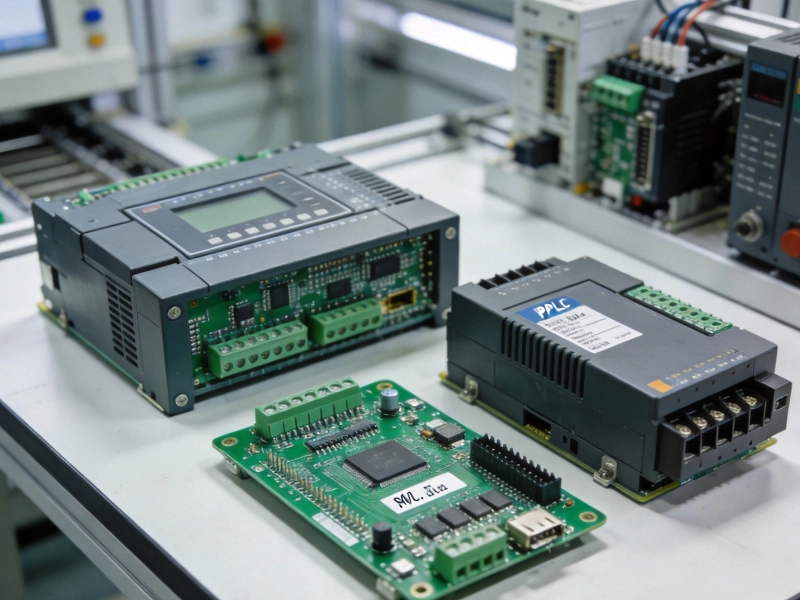
Turnkey PCB Assembly for PLCs and Motor Control DrivesAugust/11/2026
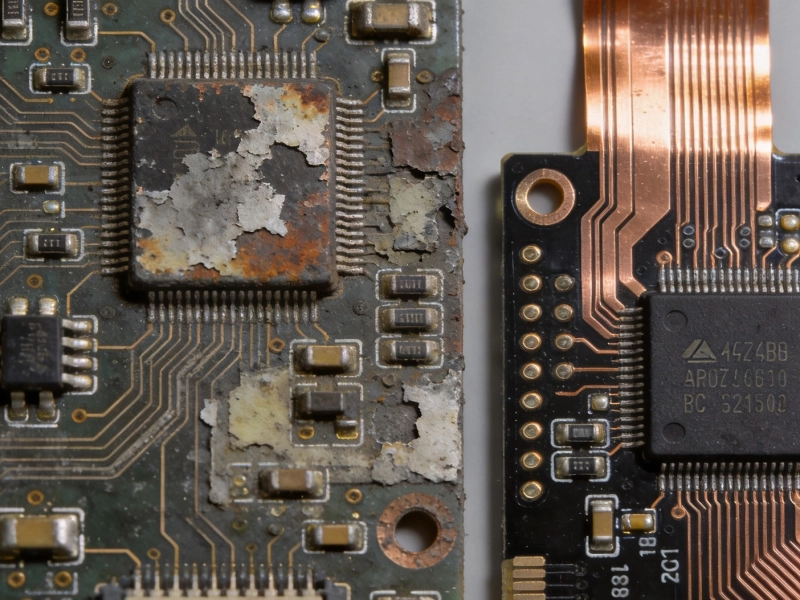
Longevity and Lifecycle Management in Industrial PCBASeptember/18/2026
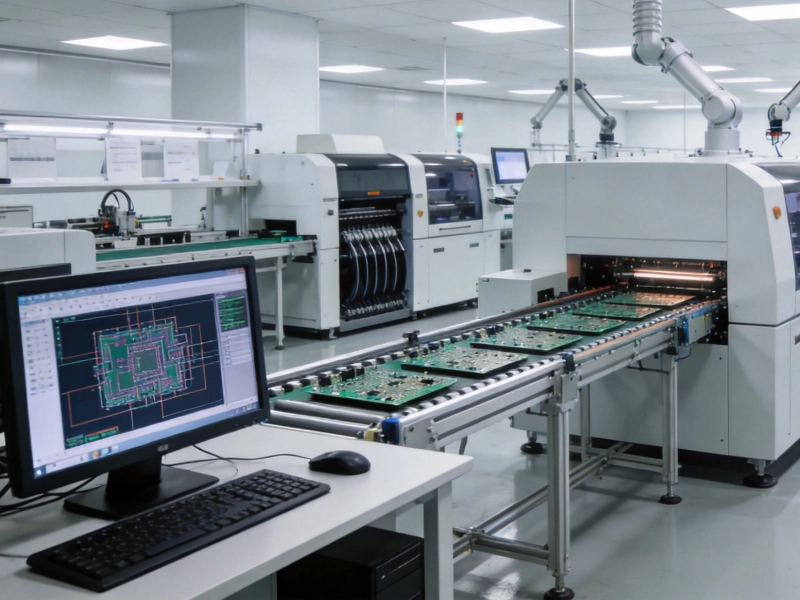
Turnkey PCB Solutions: Bridging the Gap Between Design and Mass ProductionAugust/06/2026

How Digital Platforms are Enabling 24-Hour Rapid Turnkey PCBASeptember/10/2026
Low Volume Turnkey PCBA: Flexibility for Niche and Specialized MarketsJuly/09/2026

Cost Breakdown Insights: Where Does Your Money Go in Turnkey PCB Assembly?September/24/2026
The Best Turnkey PCB Assembly Solutions for Startups and SMEsAugust/15/2026
The Role of Low Volume Turnkey PCBA in Market ValidationSeptember/08/2026